Tory Lanez Fined $20,000 For Obstructing Megan Thee Stallion’s Defamation Lawsuit Deposition
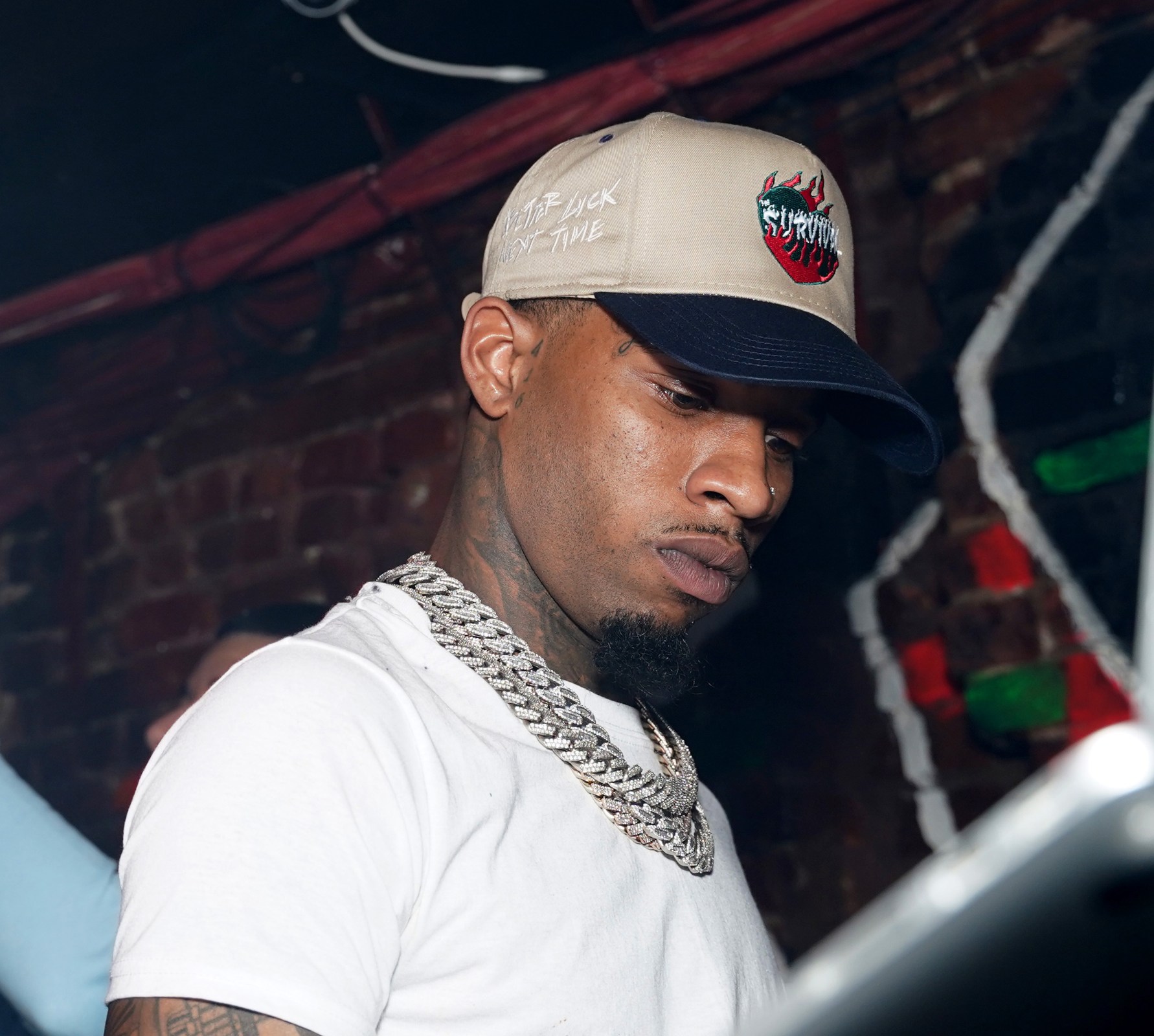
Tory Lanez Fined for Contempt in Megan Thee Stallion Defamation Case Amidst Ongoing Legal Battles
Legal proceedings involving Tory Lanez have taken another turn, with the rapper, whose legal name is Daystar Peterson, being held in contempt of court and ordered to pay $20,000 for obstructing Megan Thee Stallion’s efforts to depose him in a defamation and cyberstalking lawsuit. U.S. Magistrate Judge Lisette M. Reid issued the ruling, which also sanctioned Peterson’s attorney, Crystal Morgan, detailing his “disruptive” and “inflammatory” behavior during a jailhouse deposition.
The contempt finding comes at a critical juncture, as jury selection commenced Monday in Megan Thee Stallion’s separate lawsuit against YouTube personality Milagro Gramz, legally known as Milagro Cooper. Judge Reid characterized Peterson’s conduct during the deposition as openly defiant from its outset. According to court documents, Peterson began the session by inquiring about the consequences of refusing to answer questions. Upon being warned of potential fines, he allegedly retorted, “Whatever the fines are, I’ll pay them. I’m a millionaire. I don’t care.” The judge further noted that Peterson “stormed out of the room” at one point, accusing Megan’s lawyer of lying and instructing him to “calm down.”
Obstruction Hinders Key Testimony
Peterson’s refusal to answer fundamental questions posed by Megan’s legal team was central to the contempt ruling. He declined to elaborate on “how he came to learn of or met” Gramz and would not confirm if he had ever communicated with her via direct messages, texts, or Instagram. This obstruction, Judge Reid stated, prevented the core information necessary for the trial from being obtained. Consequently, the judge recommended that jurors be explicitly informed during the trial that Peterson was properly questioned but refused to respond, leading to the abrupt termination of the deposition.
This is not the first instance of Peterson facing penalties for uncooperative behavior in legal matters connected to Megan Thee Stallion. He was previously ordered to cover Megan’s legal fees for displaying combative conduct and feigning ignorance of basic facts during an April deposition. That deposition marked his first time under oath since the widely publicized incident in Los Angeles, where he is accused of shooting Megan with a semi-automatic firearm. Peterson is currently serving a ten-year prison sentence for that assault charge. Megan’s legal team stated that Cooper, acting as Peterson’s “paid surrogate,” had spread “vicious and hateful rumors.”
Broader Legal Landscape and Public Interest
The ongoing legal entanglements underscore a complex interplay between civil lawsuits, criminal convictions, and the public’s fascination with celebrity disputes. Peterson’s criminal conviction for the assault on Megan Thee Stallion has cast a long shadow over his public and legal standing. The fallout from that event continues to reverberate through various legal arenas, impacting both his personal life and his professional endeavors. This latest contempt finding highlights the challenges faced by plaintiffs in obtaining truthful testimony when defendants employ delaying tactics or outright defiance.
The case involving Milagro Gramz raises important questions about defamation and the role of social media in perpetuating harmful narratives. Individuals who spread false information, especially when allegedly acting at the behest of others, can face significant legal repercussions. In the digital age, the speed and reach of online platforms mean that defamatory content can quickly gain widespread attention, causing substantial harm to reputations. Statistics from the United Nations indicate a global rise in online harassment and misinformation campaigns, emphasizing the critical need for robust legal frameworks to address such issues and protect individuals from digital harm.
Defamation and the Digital Arena
The defamation lawsuit filed by Megan Thee Stallion against Milagro Gramz centers on allegations that Gramz, with Peterson’s alleged involvement, disseminated damaging rumors. Such claims fall under the purview of defamation law, which seeks to hold individuals accountable for false statements that harm another’s reputation. Proving defamation often requires demonstrating that a statement was false, published to a third party, and caused actual harm. The complexity of these cases is often amplified when social media is involved, given the intricate nature of online interactions and the potential for widespread dissemination of statements.
Judge Reid’s directive to inform the jury about Peterson’s deposition conduct serves as a significant procedural move. It suggests that the court acknowledges the impact of his alleged obstruction on the discovery process. This approach aims to ensure that the jury has a more complete understanding of the evidence and the circumstances surrounding its availability. The legal system relies on the principle of due process, which includes the right to a fair trial and adequate opportunity to present one’s case. Obstruction of discovery can directly undermine these principles, leading courts to take strong measures to maintain the integrity of legal proceedings.
The $20,000 fine imposed on Peterson, while substantial, is a fraction of his reported net worth, a point he himself allegedly alluded to during the deposition. However, the issuance of a contempt order carries significant weight beyond monetary penalties. It signifies a judicial declaration that a party has willfully disobeyed a court order, potentially impacting credibility in future legal proceedings. This serves as a stark reminder that even high-profile individuals are subject to the rule of law and that obstructive tactics can lead to severe judicial sanctions.
Looking Ahead: Implications for Future Proceedings
As the defamation trial against Gramz proceeds, the shadow of Peterson’s contempt finding may well influence jury perceptions. The legal battles also highlight the broader societal implications of online discourse and the responsibilities of public figures. In an era where digital platforms allow for instantaneous communication and dissemination of information, the lines between free speech and harmful speech are constantly being tested. The outcomes of these high-profile cases can set precedents and shape how defamation and cyberstalking are addressed in the future, impacting not only the individuals involved but also the broader landscape of online interaction and accountability. The global media landscape, as noted by organizations like Reuters, is constantly evolving, with approximately 4.7 billion people worldwide using social media, underscoring the pervasive influence and potential for harm associated with online content.