Thailand Floods: Songkhla Death Toll Rises to 110 | Hat Yai Cleanup
Southern Thailand Grapples with Historic Floods, Death Toll Climbs Above 140
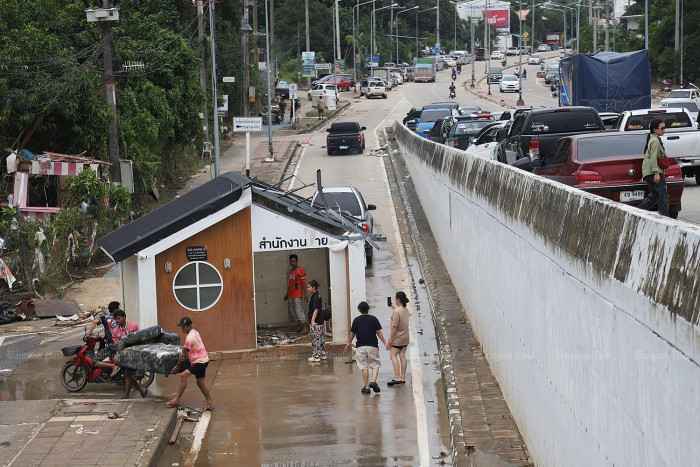
Songkhla, Thailand – The receding waters of devastating floods across southern Thailand are revealing a landscape of heartbreak and ruin. Residents in the Hat Yai Nai area of Songkhla province emerged Friday to streets choked with debris and the remnants of lives submerged, beginning the arduous task of cleaning up after some of the worst flooding the region has seen in decades. The scale of the disaster is immense, with authorities now confirming a death toll exceeding 140, the vast majority – 110 – recorded in Songkhla alone.
A Region Underwater: The Human Cost
The scenes in Hat Yai Nai are tragically mirrored across numerous communities in the south. Photographs taken by local photographer Nutthawat Wichaenbut show a heartbreaking tableau of waterlogged furniture, ruined appliances, and personal belongings strewn across roads. Beyond the material losses, the emotional toll is immeasurable. Families are mourning loved ones, searching for missing persons, and facing the daunting prospect of rebuilding their lives from scratch.
“It happened so quickly,” said Somchai Rattanapong, a resident of Khuan Lang, speaking to local media. “One minute it was raining, the next the water was rushing in. We barely had time to grab a few things before we had to evacuate.” Stories like Somchai’s are becoming increasingly common, painting a picture of communities overwhelmed by the sheer force of the extreme weather events that are becoming more frequent and intense globally.
The Thai government has mobilized resources, including the military, to assist with rescue and relief efforts. Prime Minister Srettha Thavisin visited affected areas earlier this week, promising swift aid and long-term support for those impacted. However, reaching isolated communities remains a significant challenge, hampered by damaged infrastructure and ongoing rainfall in some areas.
Beyond the Immediate Crisis: A Pattern of Increasing Risk
While Thailand is no stranger to monsoon rains and seasonal flooding, experts point to a worrying trend of escalating severity. This year’s floods are particularly devastating, exceeding the levels seen during the major floods of 2011, which caused billions of dollars in damage and disrupted supply chains worldwide.
The link between climate change and increased extreme weather events is becoming increasingly clear. According to the Intergovernmental Panel on Climate Change (IPCC), global warming is intensifying the water cycle, leading to more frequent and intense rainfall in many regions. This translates to a higher risk of flooding, particularly in vulnerable areas like the low-lying coastal plains of southern Thailand.
Globally, the number of people exposed to flood risk is projected to increase dramatically in the coming decades. A World Bank study estimates that by 2030, over 200 million people worldwide could be displaced by climate change-related disasters, with flooding being a major driver. This underscores the urgent need for proactive measures to mitigate climate change and build resilience to its impacts.
The Role of Infrastructure and Urban Planning
Beyond climate change, experts also highlight the role of inadequate infrastructure and unsustainable urban planning in exacerbating the flood risk. Rapid urbanization, coupled with a lack of investment in drainage systems and flood defenses, has left many communities vulnerable. Deforestation in upstream areas has also contributed to increased runoff and sedimentation, further compounding the problem.
“We need to move beyond simply responding to floods after they happen,” argues Dr. Anya Sharma, a specialist in disaster risk reduction at the United Nations Office for Disaster Risk Reduction (UNDRR). “Investing in preventative measures, such as improved drainage infrastructure, reforestation, and sustainable land-use planning, is crucial to reducing the impact of future floods.”
Looking Ahead: Recovery and Resilience
As the floodwaters recede, the focus is now shifting to recovery and rebuilding. The Thai government is providing financial assistance to affected families and businesses, and efforts are underway to restore essential services. However, the road to recovery will be long and challenging.
The disaster also serves as a stark reminder of the importance of community preparedness. Early warning systems, evacuation plans, and public awareness campaigns can all help to reduce the impact of future floods. Empowering local communities to take ownership of their own resilience is essential.
The floods in southern Thailand are a tragedy, but they also present an opportunity. An opportunity to learn from the past, to invest in a more resilient future, and to address the underlying causes of vulnerability. The world is watching, and the lessons learned here could prove invaluable as communities around the globe grapple with the increasing threat of climate-related disasters.