NT Domestic Violence: Aboriginal Women’s Deaths Rise After Inquest Findings
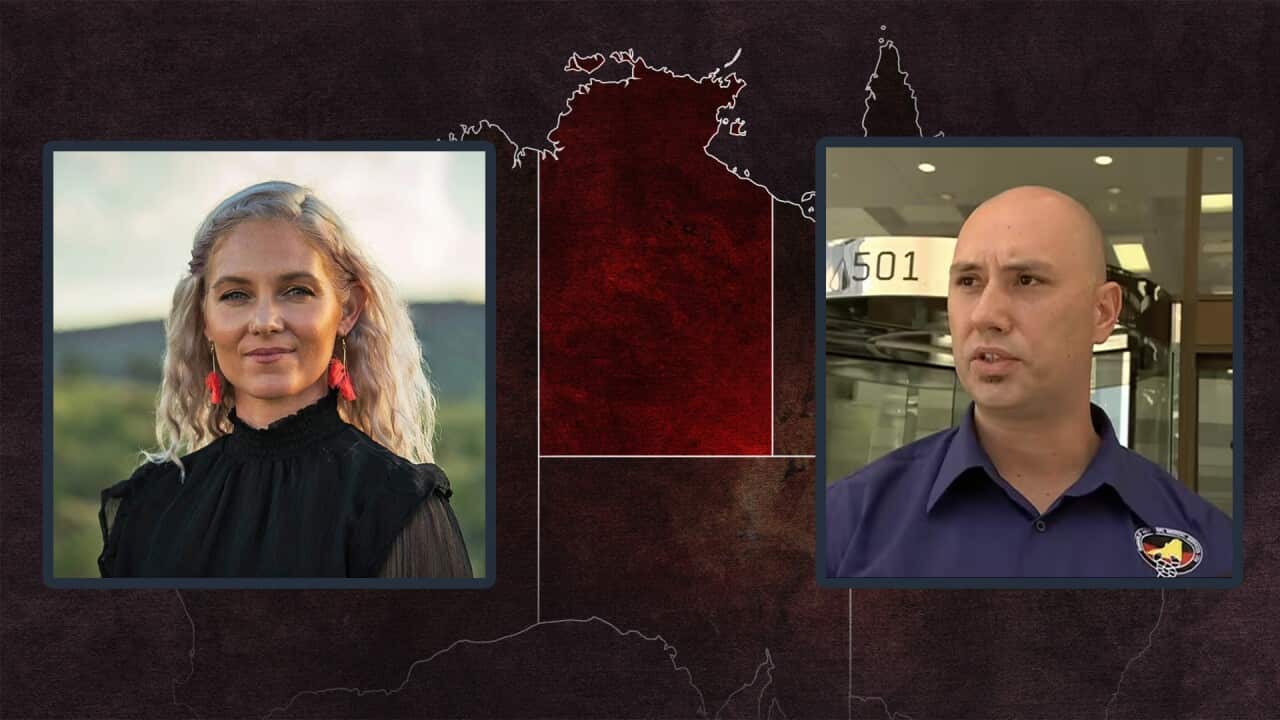
A Year After Landmark Inquest, Aboriginal Women Still Face Alarming Rates of Domestic Violence in Northern Territory
DARWIN, Australia – A year after a harrowing inquest into the deaths of four Aboriginal women at the hands of their partners, the Northern Territory (NT) is facing a stark reality: the crisis of domestic, family and sexual violence (DFSV) against Aboriginal women continues unabated, with rates far exceeding the national average. Frontline workers and Aboriginal health leaders are sounding the alarm, accusing the NT government of a dismissive response and a failure to implement meaningful change.
A System Failing to Protect
The inquest, which concluded in November 2024, examined the deaths of Kumarn Rubuntja, Kumanjayi Haywood, Miss Yunupingu, and Ngeygo Ragurrk – all victims of intimate partner violence with perpetrators known to authorities. NT Coroner Elisabeth Armitage delivered detailed recommendations for systemic reform, emphasizing the need for Aboriginal-led solutions and early intervention programs. Yet, advocates say those recommendations remain largely unfulfilled.
“Each woman who died wasn’t hidden from the system – they all reached out for help,” says Rob McPhee, Chair of the Aboriginal Medical Services Alliance of the Northern Territory (AMSANT). “Their partners were known to authorities. Yet the system failed to protect them.” This failure isn’t simply a matter of resource allocation; it’s a deeply ingrained systemic issue rooted in historical trauma and ongoing disadvantage.
The statistics paint a grim picture. The Northern Territory consistently records the highest rates of domestic, family and sexual violence in the country. Aboriginal and Torres Strait Islander women experience intimate partner homicide at seven times the national rate. Globally, the numbers are equally concerning: according to UN Women, approximately one in three women worldwide have experienced physical or sexual violence, mostly by an intimate partner.
The Intertwined Crises of Housing and Homelessness
Compounding the issue is the NT’s severe housing crisis. With a homelessness rate 12 times the national average, escaping a violent situation is often impossible for women and children. Programs designed to help, such as escaping violence payments, are rendered ineffective when there is simply nowhere safe to go. The waitlist for public housing stretches to a decade, even for priority cases, leaving hundreds of women and children turned away from shelters each month.
“The violence is frequent, severe, and the impact on families and communities is immeasurable,” explains Dr. Chay Brown, a domestic, family and sexual violence researcher. “It’s a deliberate attempt to demean the efforts of families who gave 18 months of their lives to a traumatic inquest.”
A Dismissive Response from Government?
Critics accuse the NT government of downplaying the severity of the crisis and failing to take meaningful action. Dr. Brown alleges the government has been “dismissive and insufficient” in its response to the inquest findings, even going so far as to “ridicule the coroner – and by extension, the families and friends of those four women.”
NT Minister for the Prevention of Domestic Violence, Robyn Cahill, maintains the government is committed to reducing violence, pointing to a $36 million investment in the sector and a reported 1.4% decrease in incidents from January to September 2025 compared to the previous year. However, AMSANT argues that “in-principle acceptance” of recommendations is not enough. “We need real investment in prevention, early intervention, community leadership and culturally strong support – exactly what the coroner identified,” McPhee insists.
Beyond the Headlines: Generational Trauma and Systemic Disadvantage
The impact of DFSV extends far beyond immediate deaths. The trauma reverberates through generations, devastating families and communities. The inquest highlighted the role of trauma, grief, and systemic disadvantage as key drivers of violence in the Territory. Addressing these underlying issues requires a holistic approach that prioritizes Aboriginal leadership and culturally appropriate support services.
“If the Territory continues to delay, there will be more dead Aboriginal women and children,” Dr. Brown warns. “More than 90 per cent of domestic violence homicides in the NT since 2000 have been of Aboriginal women. The government has no political will to tackle the number one community safety issue here.”
As the world marks the 16 Days of Activism against Gender-Based Violence, the situation in the Northern Territory serves as a stark reminder that much work remains to be done. The call for systemic reform, Aboriginal-led solutions, and meaningful investment is growing louder, and the lives of countless women and children hang in the balance.