Netanyahu Seeks Pardon in Corruption Trial – FRANCE 24
Netanyahu Seeks Preemptive Pardon, Raising Questions About Israeli Governance and Judicial Independence
JERUSALEM – In a move that has sent ripples through Israeli politics and sparked debate about the limits of executive power, Prime Minister Benjamin Netanyahu on Sunday formally requested a pardon from President Isaac Herzog in his ongoing corruption trial. The request, framed by Netanyahu as being in the best interests of the nation, arrives at a particularly fraught moment for Israel, already grappling with the ongoing conflict in Gaza and deep societal divisions over proposed judicial reforms.
The timing of the request is undeniably strategic. Netanyahu faces charges of bribery, fraud, and breach of trust in a case that has dominated Israeli headlines for years. He maintains his innocence, repeatedly characterizing the proceedings as a politically motivated “witch hunt.” However, with his political future hanging in the balance and the trial potentially stretching on for months, if not years, a preemptive pardon offers a potential escape route.
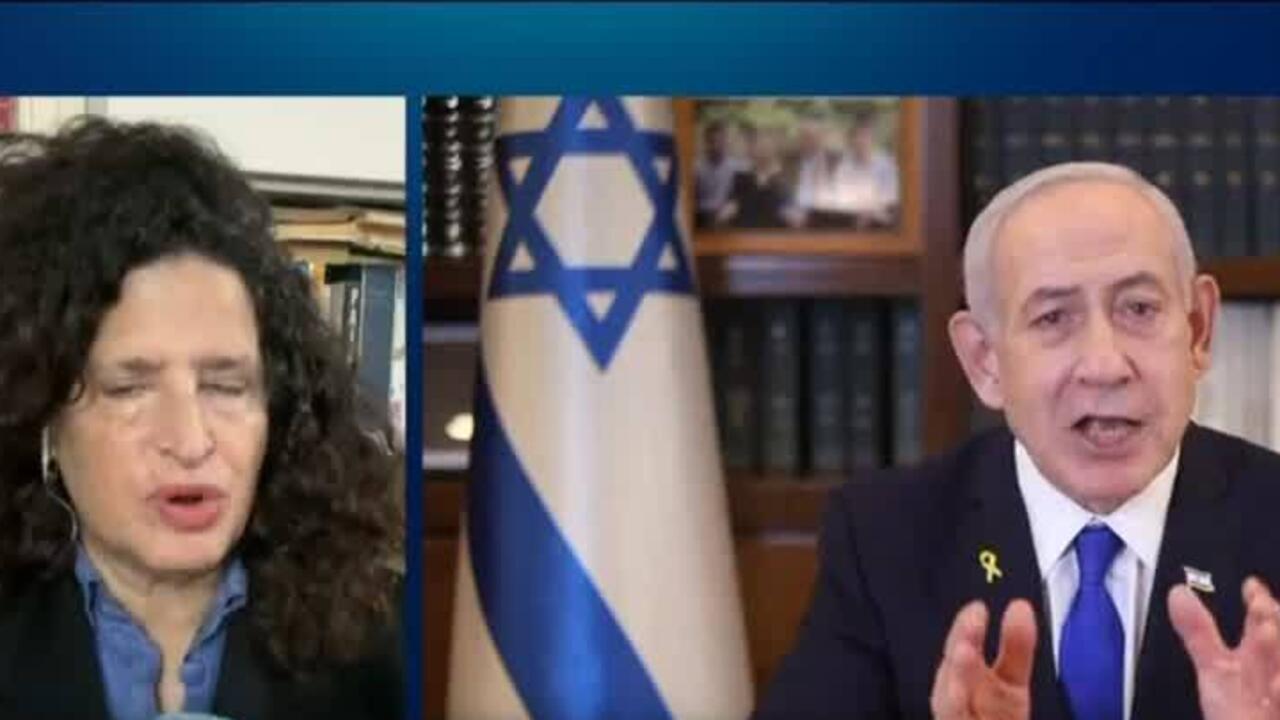
But the legality of such a request is, to put it mildly, murky. As France 24’s Noga Tarnopolsky pointed out, Israeli law stipulates that a president can only grant a pardon to someone after they have been convicted of a crime. Netanyahu is currently on trial, and no verdict has been reached. This raises the question of whether the Prime Minister is attempting to circumvent the judicial process altogether.
A System Under Strain: The Context of Israel’s Judicial Battles
This pardon request isn’t occurring in a vacuum. It’s deeply intertwined with the broader battle over the independence of Israel’s judiciary, a conflict that has ignited massive protests across the country throughout 2023 and into 2024. Netanyahu’s government has been pushing for reforms that critics argue would severely weaken the power of the courts, potentially shielding him from legal scrutiny.
These proposed changes have fueled concerns about the erosion of democratic principles in Israel. Opponents fear that a weakened judiciary would be unable to effectively check the power of the executive branch, leading to increased corruption and a decline in the rule of law. The International Monetary Fund has also cautioned that prolonged political uncertainty, stemming from these judicial battles, could negatively impact Israel’s economic stability.
The current situation highlights a fundamental tension within Israeli society: the balance between strong leadership and robust checks and balances. Netanyahu’s supporters argue that the judiciary has become overly activist and is interfering with the government’s ability to govern effectively. His opponents contend that the courts are essential for protecting individual rights and ensuring accountability.
Beyond Israel: A Global Trend of Executive Overreach?
Netanyahu’s attempt to secure a pardon before conviction isn’t entirely unique. Across the globe, there’s a growing trend of leaders seeking to undermine or circumvent judicial processes, often under the guise of national security or political expediency. From Hungary to Poland, and even within established democracies like the United States, we’ve seen attempts to politicize the judiciary and shield those in power from accountability.
This trend is particularly concerning because an independent judiciary is a cornerstone of any functioning democracy. It’s the institution responsible for upholding the rule of law, protecting minority rights, and ensuring that those in power are held accountable for their actions. When the judiciary is compromised, it erodes public trust in government and creates an environment ripe for corruption and abuse of power.
According to a World Justice Project report, global adherence to the rule of law has been declining for the past five years, with a significant drop observed in countries where executive interference in the judiciary is prevalent. In fact, the report indicates that 30% of countries worldwide are experiencing a decline in the rule of law, a statistic that underscores the fragility of democratic institutions globally.
The Political Calculus: Netanyahu’s Strategy and Potential Outcomes
Netanyahu’s request for a pardon is a high-stakes gamble. It could be seen as an admission of guilt, even if he maintains his innocence. It also risks further alienating his political opponents and fueling the protests against his government. However, it could also be a calculated move to consolidate his power and silence his critics.
The President’s response will be crucial. Herzog, while largely a ceremonial figure, has the authority to reject the request. A rejection would send a strong message about the importance of judicial independence and the rule of law. However, Herzog is also mindful of the potential political fallout from taking a firm stance against the Prime Minister.
The outcome of this situation will have far-reaching implications for Israel’s political landscape. It could either strengthen the country’s democratic institutions or further erode public trust in government. It will also be closely watched by international observers, who are increasingly concerned about the state of democracy in Israel and around the world.
What This Means for the Future of Israeli Governance
The unfolding drama surrounding Netanyahu’s pardon request serves as a stark reminder of the challenges facing democracies today. The temptation to prioritize political expediency over the rule of law is a constant threat, and it requires vigilance from citizens, civil society organizations, and international actors to safeguard democratic principles.
The situation in Israel is particularly sensitive, given the country’s complex geopolitical environment and the ongoing conflict with the Palestinians. A weakened judiciary could exacerbate these tensions and undermine the prospects for a peaceful resolution. Ultimately, the future of Israeli governance hinges on its ability to uphold the rule of law and ensure that all citizens are treated equally under the law. The world will be watching closely to see how this situation unfolds.