Northwestern to Pay $75M to Settle Discrimination Investigation
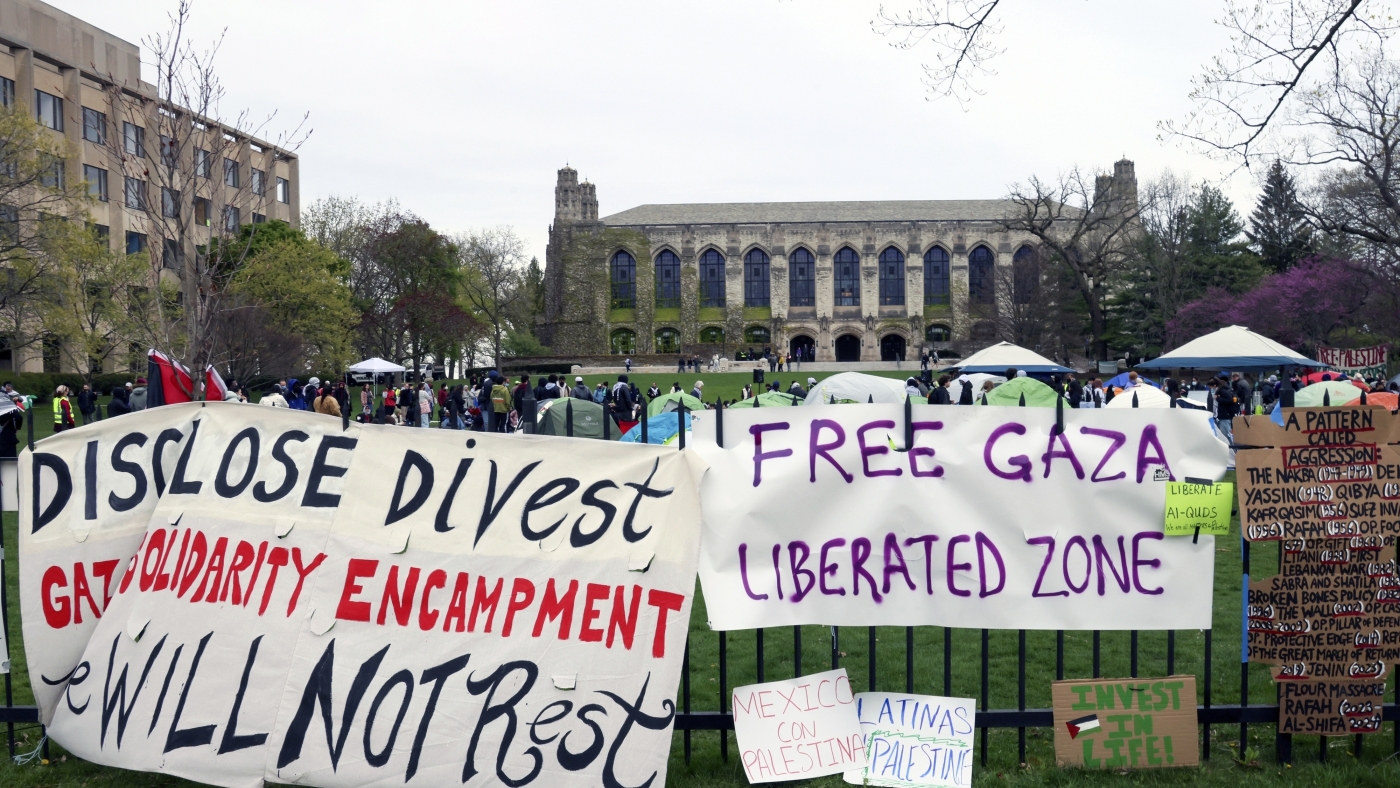
Northwestern University Reaches $75 Million Settlement with U.S. Over Discrimination Claims
EVANSTON, Ill. – Northwestern University has agreed to a $75 million settlement with the U.S. Department of Justice to resolve allegations of discrimination and restore federal funding that had been frozen during an investigation, officials announced Friday. The agreement brings an end to a contentious period for the Illinois university, which found itself at the center of a broader campaign by the Trump administration targeting university policies perceived as insufficiently supportive of Jewish students.
A Pattern of Pressure on Universities
The case against Northwestern was part of a larger effort by the previous administration to scrutinize dozens of colleges and universities across the country. In April 2024, the Education Department accused 60 institutions of failing to adequately protect Jewish students on campus amid heightened tensions surrounding university protests related to the war in Gaza. The administration subsequently moved to withhold federal funds from several schools, including Northwestern, pending investigation.
Northwestern initially faced the prospect of losing approximately $790 million in federal funding. The Justice Department’s action reflects a broader trend of increased scrutiny of higher education institutions regarding their handling of issues related to antisemitism and free speech. This isn’t an isolated incident; Cornell University recently reached a similar agreement, paying $60 million to unlock $250 million in withheld funds.
Attorney General Pam Bondi, in a statement, hailed the settlement as “another victory in the Trump Administration’s fight to ensure that American educational institutions protect Jewish students and put merit first.”
The Terms of the Agreement: Training and Policy Changes
While Northwestern officials maintain the payment is “not an admission of guilt,” the university has committed to a series of policy changes and financial obligations as part of the settlement. According to the agreement, the $75 million will be paid out over four years, concluding in 2028.
Beyond the financial commitment, Northwestern will implement mandatory antisemitism training for all students, faculty, and staff. The university will also revise its policies regarding demonstrations, protests, and other forms of expressive activity on campus. These changes are intended to ensure a more inclusive and safe environment for all students, while also upholding principles of free speech.
Education Secretary Linda McMahon described the settlement as “a huge win” for higher education, emphasizing that the policy changes will “protect students and other members of the campus from harassment and discrimination.” She added that the reforms would “recommit the school to merit-based hiring and admissions.”
Navigating Academic Freedom and Federal Oversight
A key concern for Northwestern throughout the negotiation process was preserving its academic freedom and autonomy. University interim President Henry Bienen stressed that the agreement was carefully crafted to avoid federal interference in core academic matters.
“There were several red lines that I, the board of Trustees and university leadership refused to cross,” Bienen explained in a video statement. “I would not have signed anything that would have given the federal government any say in who we hire, what they teach, who we admit or what they study.” He emphatically stated, “Put simply, Northwestern runs Northwestern.”
The university’s decision to negotiate a settlement rather than engage in a protracted legal battle was driven by a calculation of risk and cost. An explainer posted on the university’s website noted that the potential financial and reputational damage of a court fight were deemed too significant.
The Broader Context: Rising Antisemitism on Campus
The case highlights a growing national concern about antisemitism on college campuses. According to a 2023 report by the Anti-Defamation League (ADL), antisemitic incidents in the United States reached their highest level since 1979, with a significant portion occurring on or near university campuses. In fact, the ADL recorded 3,697 antisemitic incidents across the U.S. in 2023, a 36% increase from the previous year.
This surge in antisemitism has prompted calls for increased vigilance and proactive measures to combat hate speech and discrimination on college campuses. The Northwestern settlement serves as a potential model for other institutions facing similar scrutiny, demonstrating the importance of addressing these concerns and fostering a welcoming environment for all students. The outcome also underscores the delicate balance between protecting free speech and ensuring a safe and inclusive learning environment.
The resolution at Northwestern doesn’t necessarily signal the end of federal oversight of university policies. It does, however, offer a path forward for institutions seeking to navigate the complex landscape of civil rights enforcement and academic freedom in a politically charged environment.