Israel Strikes Syria: 13 Killed in Beit Jin Operation – France 24
Beit Jin Raid: Israel-Syria Tensions Flare Amidst Shifting Damascus Landscape
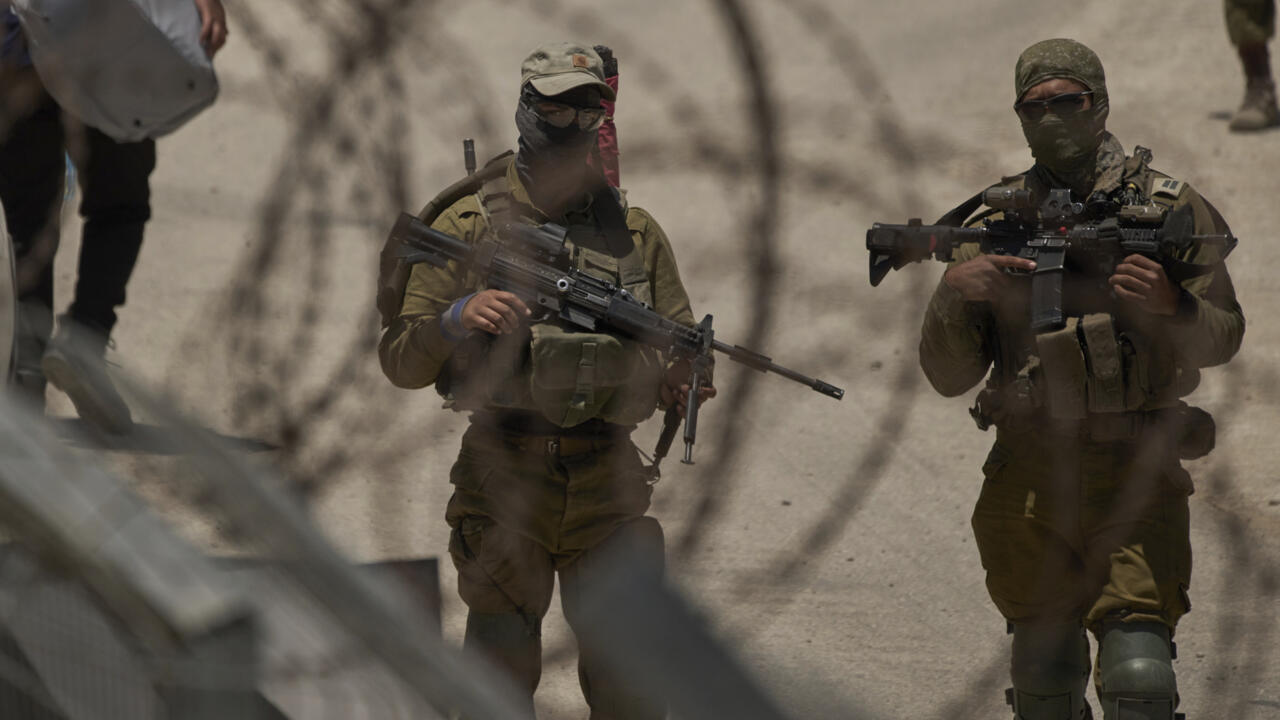
Beit Jin, Syria – A recent Israeli military operation in the Syrian village of Beit Jin, nestled in the foothills of Mount Hermon, has left at least 13 people dead, including women and children, according to Syrian state media. The incident, which unfolded overnight, underscores the increasingly complex and volatile dynamic between Israel and Syria, particularly in the wake of significant political changes within the country.
The raid, which targeted suspected members of the Lebanese Islamist group Jamaa Islamiya, resulted in injuries to at least six Israeli soldiers, three of whom were seriously wounded. Israeli officials maintain the operation was necessary to disrupt terror attacks planned against Israeli civilians. However, the civilian casualties have ignited fierce condemnation from Damascus, with the Syrian foreign ministry labeling the incursion a “war crime” and accusing Israel of attempting to destabilize the region.
A New Equation in Damascus
The timing of this operation is particularly noteworthy. The shift in Syrian leadership in December 2024, with the arrival of a new Islamist-aligned government in Damascus, has dramatically altered the geopolitical landscape. Since then, Israel has reportedly conducted hundreds of strikes within Syria, ostensibly targeting Iranian-backed militias and extremist groups. This latest incident, however, appears to be a more direct response to a perceived threat emanating from within Syrian territory, specifically linked to Jamaa Islamiya’s activities.
“This isn’t simply about containing Iranian influence anymore,” explains Dr. Lina Khatib, a Middle East expert at the Chatham House think tank. “The rise of Islamist groups within Syria, and their potential to launch attacks across borders, presents a new and urgent security concern for Israel. The Beit Jin raid is a clear signal that Israel is prepared to act decisively to protect its interests, even if it means operating deeper inside Syrian territory.”
The United Nations Disengagement Observer Force (UNDOF), which patrols the buffer zone separating Israeli and Syrian forces on the Golan Heights since 1974, has remained largely silent on the incident, a silence that has drawn criticism from some observers. The buffer zone, intended to prevent escalation, appears increasingly porous in the face of escalating tensions.
Beyond Beit Jin: A Wider Pattern of Incursion
This isn’t an isolated event. Israel has a long history of conducting military operations within Syria, often without publicly acknowledging them. These operations have typically focused on disrupting the flow of weapons to Hezbollah in Lebanon and preventing the establishment of Iranian military infrastructure. However, the recent increase in frequency and the broadening of targets suggest a more assertive Israeli policy.
According to data from the Armed Conflict Location & Event Data Project (ACLED), security incidents involving Israeli military action in Syria have increased by 60% in the last year alone. This surge coincides with the political transition in Damascus and the growing presence of various armed groups within the country. The ACLED data also reveals a concerning trend: a 35% increase in civilian casualties resulting from these incidents.
Local residents of Beit Jin, like Abdul Rahman Al-Hamrawi, describe a scene of chaos and fear. “The Israeli occupation army raided the village to arrest three young men, leading to clashes with residents who tried to resist,” he told AFP. “Following the clashes, the Israeli occupation forces shelled the area with artillery and drones.” The accounts paint a picture of a community caught in the crossfire of a larger geopolitical struggle.
The Regional Implications
The Beit Jin raid has reverberated beyond Syria’s borders. The incident has further strained already tense relations between Israel and Lebanon, raising concerns about a potential escalation of conflict along the northern border. It also underscores the fragility of the current security arrangements in the region and the potential for miscalculation.
The broader context is one of increasing regional instability. The ongoing war in Gaza, the conflict in Yemen, and the persistent threat of terrorism all contribute to a volatile environment. The situation in Syria, with its complex web of actors and competing interests, is a particularly dangerous flashpoint.
“What we’re seeing in Syria is a microcosm of the broader challenges facing the Middle East,” says Professor David Roberts, a specialist in Middle Eastern politics at King’s College London. “The collapse of state authority, the rise of non-state actors, and the intervention of external powers have created a situation where conflict is almost endemic. The Beit Jin raid is a stark reminder of the risks involved.”
The international community faces a difficult task in navigating this complex situation. A renewed diplomatic effort, focused on de-escalation and addressing the root causes of conflict, is urgently needed. Without a concerted effort to stabilize Syria and address the underlying tensions, the risk of further escalation remains high. The fate of Beit Jin, and the lives of its residents, hangs in the balance.