FDA’s Pazdur to Retire Weeks After Taking Top Drug Review Post – BioPharma Dive
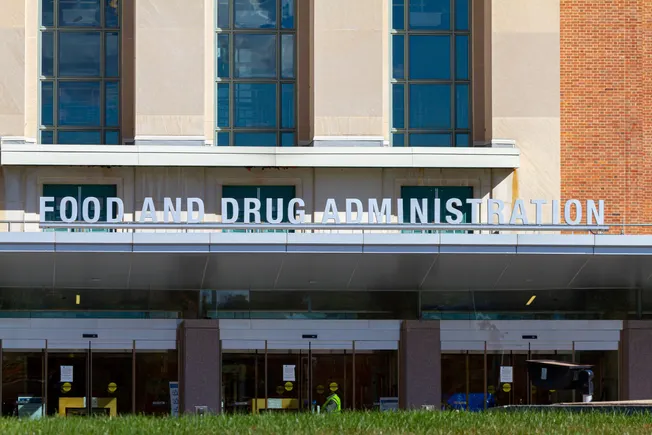
FDA’s Top Drug Reviewer, Richard Pazdur, Announces Retirement Amid Agency Turmoil
Washington D.C. – In a stunning reversal just weeks after assuming the leadership role, Dr. Richard Pazdur, director of the Food and Drug Administration’s Center for Drug Evaluation and Research (CDER), has informed the agency of his intention to retire at the end of December. The announcement adds another layer of uncertainty to an agency already grappling with leadership turnover and questions about its regulatory direction.
The FDA confirmed Pazdur’s decision, praising his 26 years of service and acknowledging his pivotal role in establishing the Oncology Center of Excellence. “We respect Dr. Pazdur’s decision to retire and honor his distinguished service,” a spokesperson stated. “His leadership, vision, and dedication will continue to shape the FDA for years to come.” However, reports indicate Pazdur may still reconsider, leaving the future of CDER in a state of flux.
A Wave of Departures and Growing Concerns
Pazdur’s potential departure comes amidst a period of significant upheaval within the FDA. Since the beginning of the second Trump administration, several key officials have resigned, coinciding with agency-wide layoffs and reports of a challenging work environment. The recent resignation of George Tidmarsh, who briefly led CDER, following an internal investigation, further destabilized the agency. Even Vinay Prasad, a vocal critic of the FDA, experienced a brief and unusual return to a leadership position before ultimately leaving.
This instability has coincided with a perceived shift in the FDA’s regulatory approach. While the agency has announced initiatives to accelerate drug development, industry observers have noted unpredictable review timelines and unexpected reversals in approval decisions. Some Wall Street analysts have reported an increase in delayed drug approvals, raising concerns among pharmaceutical companies and investors.
The Impact on Cancer Treatment and Drug Innovation
Dr. Pazdur’s legacy is deeply intertwined with advancements in cancer treatment. As the founding director of the Oncology Center of Excellence, he spearheaded efforts to streamline the approval process for novel cancer therapies, while simultaneously maintaining rigorous standards for safety and efficacy. He was known for his willingness to withdraw treatments that failed to demonstrate continued benefit, a crucial aspect of patient safety.
“He’s arguably the most qualified candidate in the entire healthcare ecosystem for this role,” said Brian Abrahams, an analyst at RBC Capital Markets, upon Pazdur’s recent appointment. His appointment was initially viewed as a stabilizing force, offering a sense of predictability to an industry increasingly wary of the FDA’s shifting policies.
However, even Pazdur reportedly expressed reservations about some of the agency’s recent moves, including a new voucher program designed to incentivize drug development. This program has drawn criticism from lawmakers who argue it could lead to “political favoritism” in the approval process.
Global Context: The Rising Cost of Cancer and the Need for Efficient Drug Approval
The timing of Pazdur’s potential departure is particularly concerning given the escalating global burden of cancer. According to the World Health Organization, cancer is a leading cause of death worldwide, accounting for nearly 10 million deaths in 2020. The global economic impact of cancer is estimated at over $100 billion annually in direct and indirect costs. Efficient and reliable drug approval processes are therefore critical to ensuring patients have access to life-saving treatments.
Furthermore, the development of new cancer therapies is becoming increasingly complex and expensive. The average cost of bringing a new drug to market is estimated to be over $2.6 billion, according to a 2023 report by the Pharmaceutical Research and Manufacturers of America (PhRMA). Regulatory uncertainty can further increase these costs and discourage investment in innovative research.
What’s Next for the FDA?
The question now is who will succeed Pazdur and what direction they will take CDER. Analysts at RBC Capital Markets suggest the agency faces a critical decision: appoint a successor with extensive regulatory or industry experience, or opt for an “out-of-the-box selection.” The choice will likely shape the FDA’s approach to drug approval for years to come.
The potential loss of Pazdur’s expertise adds to the growing concerns about the FDA’s leadership and its ability to maintain its current momentum. Some observers even suggest that the tenure of FDA Commissioner Martin Makary could be jeopardized by this latest development. For more information on the FDA and its role in protecting public health, visit worldys.news/health.