2.2m Snake Found Dead in Czech Republic: Improper Disposal a Crime
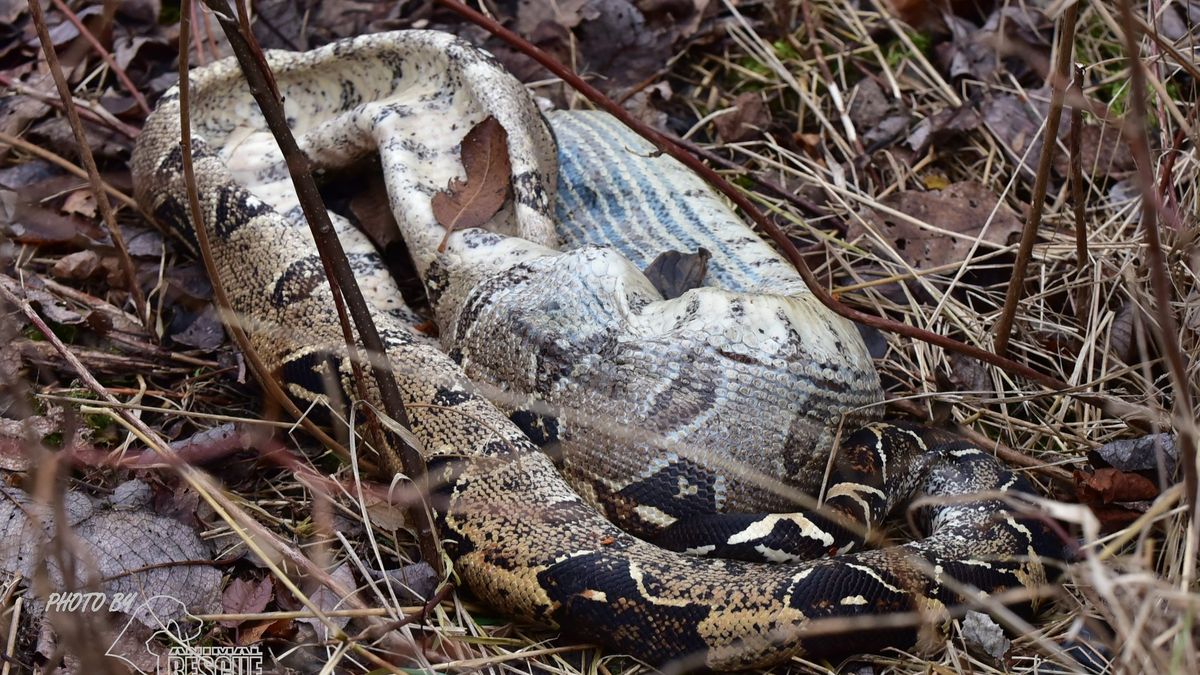
Large Snake Found Dead in Czech Republic Raises Disposal Concerns
A startling discovery in the Czech Republic – the body of a 2.2-meter (over 7 feet) boa constrictor – has highlighted the importance of responsible animal disposal and the potential for public distress when encountering unexpected wildlife, even in death.
The find, reported to Animal Rescue by local authorities, occurred during a period of sub-zero temperatures, leading rescuers to believe the snake had likely died before being deposited in the brush. While the circumstances surrounding the snake’s death remain unclear, the incident has sparked a conversation about proper animal disposal procedures.
A Shocking Discovery
“It was certainly a surprise,” said Vladimír Kössl, head of Animal Rescue, in a statement. “We received a call from the municipality, and it’s safe to say the person who found it was quite taken aback by the size of the snake. Many people are startled even by a picture of a worm, let alone encountering something like this in person.”
Kössl emphasized that simply abandoning a deceased animal is not only inconsiderate but can also be a violation of local regulations. “Aside from it being unpleasant, improper disposal can be an offense,” he stated.
Legal Requirements for Animal Disposal
Czech veterinary law outlines several acceptable methods for disposing of animal remains. Pet owners and those who discover deceased animals have several options:
- Burial: Animals from household pets can be buried on private property.
- Cremation: Utilizing a pet crematorium is a common and respectful option.
- Animal Cemeteries: Dedicated animal cemeteries provide burial services.
- Veterinary Clinics: Some veterinary practices have access to rendering facilities (kafilerní boxy) for disposal.
- Asanační Podnik: Direct transfer to a specialized disposal company.
“Under no circumstances should deceased animals be discarded with regular waste, left in forests, or dumped near roadsides,” Kössl warned. “These practices pose public health and environmental risks.”
Broader Implications and Public Health
The incident underscores a growing concern regarding exotic pet ownership and the potential for animals to end up in unsuitable environments. According to the World Animal Protection, the online trade of exotic animals is a significant issue, with thousands of animals being offered for sale each day, often leading to improper care and eventual abandonment.
Improper disposal of animal carcasses can also contribute to the spread of disease. The European Food Safety Authority (EFSA) has published guidelines on the safe disposal of animal by-products to minimize the risk of transmitting pathogens to humans and other animals. Learn more about EFSA’s guidelines here.
Authorities urge anyone who discovers a deceased animal to contact local animal rescue organizations or veterinary services for guidance on proper disposal procedures. This ensures both respectful treatment of the animal and protection of public health and the environment.