Eurovision’s EBU Decides Against Vote on Israel’s Participation, Implements Rule Changes

Eurovision’s Green Light for Israel Amidst Sweeping Rule Reforms
The European Broadcasting Union (EBU) has officially confirmed that Israel will participate in the upcoming Eurovision Song Contest, concluding weeks of speculation and debate. The decision comes as the EBU announces a series of significant rule changes aimed at reinforcing the competition’s neutrality and impartiality.
In a press release issued following extensive consultations with its member broadcasters, the EBU stated that a vote on a member’s participation would only occur if new measures were deemed insufficient in upholding neutrality. The EBU has not yet made public the specific feedback from countries that had expressed reservations about Israel’s involvement.
Key Eurovision Rule Modifications
The revised regulations address several aspects of the voting and promotional processes, reflecting a commitment to a fairer competition:
- The number of votes per payment method has been reduced from 20 to 10 across web, SMS, and telephone channels.
- Stricter rules are being implemented for song promotion to shield the contest from disproportionate, externally driven campaigns.
- Broadcasters and artists are now explicitly prohibited from directly participating in or endorsing third-party campaigns, such as those potentially initiated by governments.
- Professional juries will be reintroduced in the semi-finals, marking their first appearance since 2022, to add another layer of evaluation.
A Step in the Right Direction, Says NRK
The Norwegian national broadcaster, NRK, has been among those advocating for electoral system reforms within Eurovision. Following instances where the voting system was reportedly circumvented in the May final, NRK and other member states presented clear demands to the EBU for new solutions.
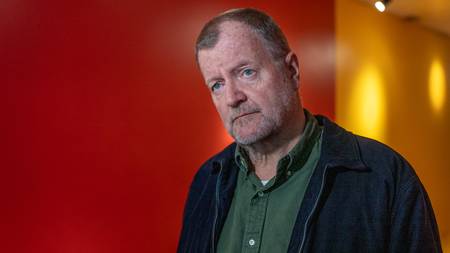
“It appears the EBU has listened to NRK and several other member countries, implementing adjustments that move in the right direction,” commented Charlo Halvorsen, NRK’s Content Editor.
Leading up to the EBU’s General Assembly on December 5th, extensive dialogue took place between the union and its member countries. A central topic of discussion was whether member broadcasters favored a formal vote on Israel’s participation.
“Based on input from some countries, my belief is that the majority do not wish for a vote,” Halvorsen added.
He noted that the full details of the new regulations will be unveiled during the EBU’s General Assembly. For now, NRK regards the implemented changes positively, signaling a commitment to enhancing the integrity and fairness of the world’s largest live music event.