Cuba Faces Rising Fever Cases Amidst Aedes aegypti Infestation
Cuba Faces Worsening Fever Outbreak Amidst Mosquito Infestation and Public Distrust
Optimism from Cuban health authorities regarding a decline in fever cases has been short-lived, with a 2.5% increase in patient numbers reported in the last week. This setback follows a previous announcement of a fifteen-day drop in contagions, casting a shadow over the nation’s efforts to control the escalating health crisis.
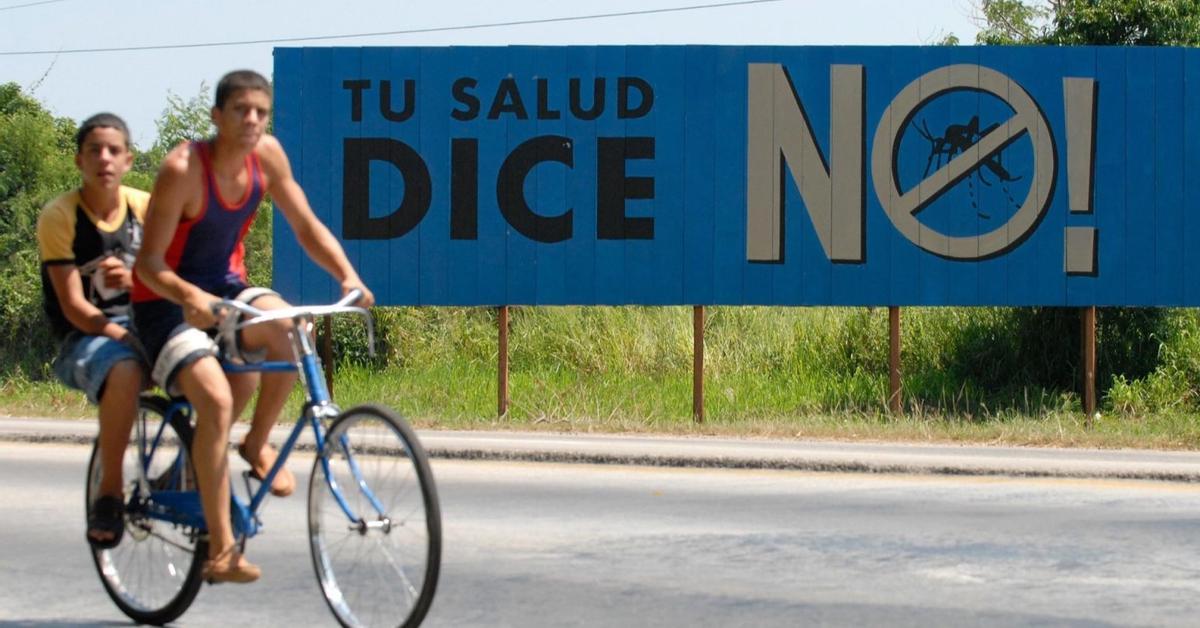
The primary driver behind this resurgence, according to Deputy Minister Carilda Peña García, is the “very high” infestation rates of the Aedes aegypti mosquito. The provinces of Pinar del Río, Sancti Spíritus, Camagüey, Santiago de Cuba, Havana, and Villa Clara are identified as the most severely affected, though the issue now permeates the entire country, with Isla de la Juventud flagged as a “zone of alarm.” The remaining territories are categorized as part of an “endemic corridor of epidemic.”
Dengue and Chikungunya Strain Healthcare System
Dengue cases are predominantly concentrated in the western and central regions of the island, with Villa Clara, Havana, Sancti Spíritus, Las Tunas, and Artemisa at the forefront. However, transmission has been confirmed across 13 provinces. Chikungunya, a cause for greater concern due to less familiarity among the Cuban population, is present in all provinces. The most critical situation, marked by the simultaneous circulation of both diseases, is observed in Havana, Matanzas, Cienfuegos, and Guantánamo.
“The worst is concentrated in Havana, Matanzas, Cienfuegos, and Guantánamo, which have simultaneous circulation of both diseases.”
Fumigation efforts, crucial for vector control, are reportedly advancing irregularly and have been hampered by a lack of necessary supplies. While the plan was to cover all urban areas within three weeks, only Mayabeque, Havana, Cienfuegos, Ciego de Ávila, and Santiago de Cuba have achieved 95% coverage, according to officials.
Peña García emphasized the critical role of public cooperation in eliminating mosquito breeding grounds, urging citizens to clean water tanks and other potential sites. She also highlighted the legal ramifications for obstructing fumigation efforts during an epidemic, stating it can constitute a crime of propagation. Public discontent is evident in social media responses to reports on the outbreak, with many expressing frustration over perceived inadequate fumigation and a growing distrust in the healthcare system.
“In Camagüey, we live two blocks from the provincial hospital and on my block, everyone has the virus, and there’s been no fumigation,” lamented one social media user. Similar sentiments echo from various provinces, with many reporting that official figures likely represent only a fraction of actual cases, as many individuals do not seek medical attention. A poignant comment reflected a broader concern: “The saddest, most painful thing, and what should most worry our authorities, is the loss of trust and credibility of many Cubans in our health system, once, without any chauvinism, the best in the world. Why should I go if there’s nothing, and much of the health personnel are also infected?”
Vulnerable Populations at Higher Risk
Yamirka Montesino Felipe, head of the National Group for Intensive and Pediatric Emergency Medicine, stressed the imperative of hospitalizing all children under two years old presenting with feverish symptoms due to their heightened vulnerability. Comorbidities such as diabetes, oncological diseases, epilepsy, and kidney problems further elevate the risk. Early medical attention is crucial for preventing complications in young patients. While children may experience persistent fever and skin lesions, including blisters, joint pain, a severe symptom in adults, appears less pronounced in children.
“Montesino Felipe recalled that it is key to keep children hydrated, as gastrointestinal symptoms can lead to dangerous dehydration.”
Maintaining hydration in children is paramount, especially given supply chain issues exacerbated by recent weather events. These challenges, coupled with sanitation deficiencies, complicate treatment and increase the risk of disease spread. María Guadalupe Guzmán Tirado, director of the Center for Research, Diagnosis, and Reference at the Pedro Kourí Institute (IPK), noted that the proliferation of water tanks in homes due to inconsistent water supply, improper solid waste management, and poor sanitation further contribute to the problem.
Diana Couto Núñez, president of the Cuban Society of Gynecology and Obstetrics, identified pregnant women as another vulnerable group requiring urgent hospitalization. Diagnoses for pregnant women must be conducted in a hospital setting, particularly for those with hypertension or diabetes, to mitigate severe complications.
Statistical Overview of the Outbreak
As of last week, the cumulative number of chikungunya cases stood at 21,681. Dengue data, as reported by the Pan American Health Organization, indicates 9,602 cases with a significant incidence rate of 87.79 cases per 100,000 inhabitants. Current estimates from the Ministry of Health suggest that approximately 30% of the Cuban population may have contracted one of these two diseases during the current outbreak.