Canada Pipeline Deal Faces First Nations, Environmental Backlash
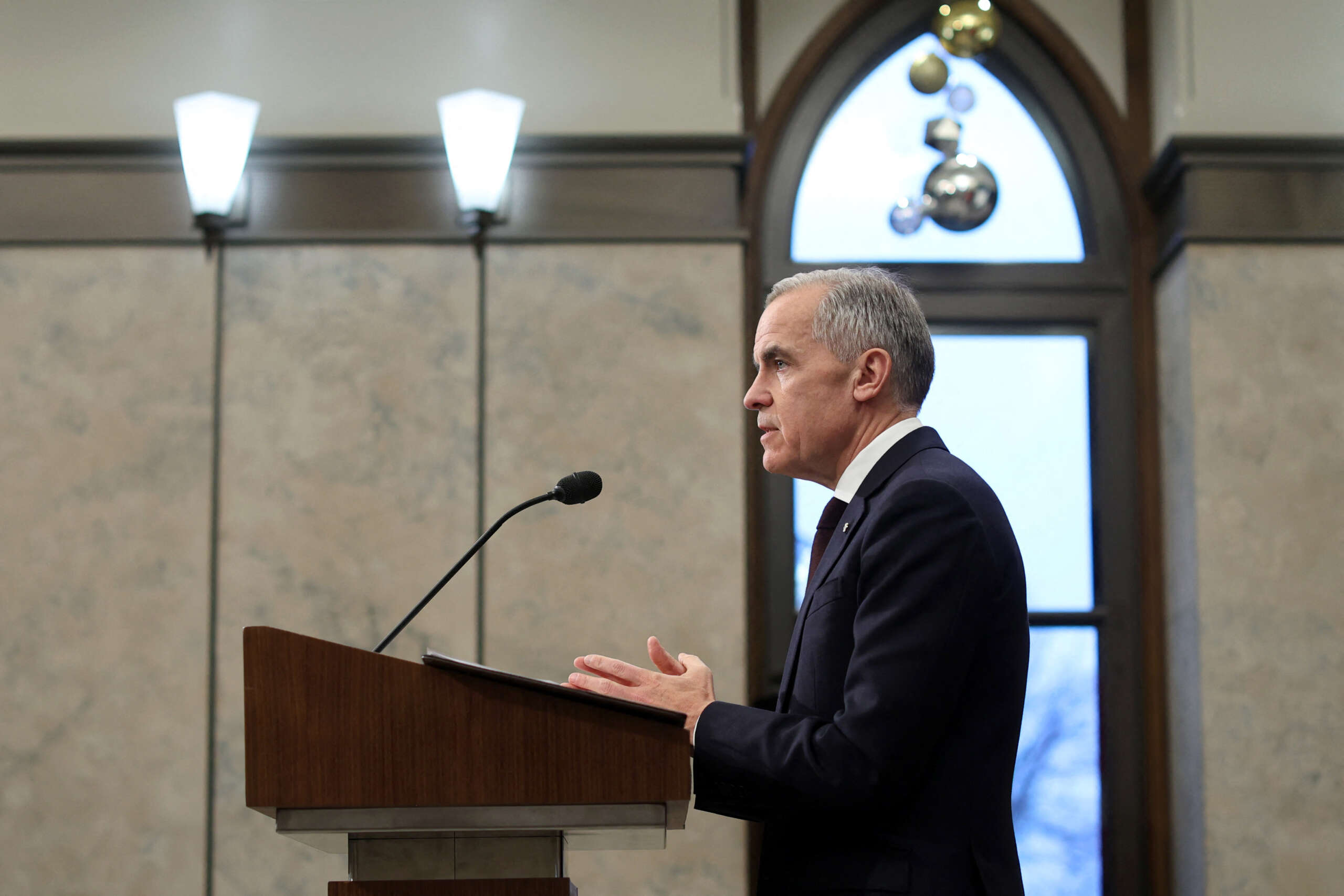
Pipeline Deal Sparks Indigenous Outcry, Threatens Climate Goals in Canada
OTTAWA – A controversial agreement between the Canadian federal government and the province of Alberta to build a new oil pipeline and lift a moratorium on oil tankers along British Columbia’s coast has ignited fierce opposition from First Nations groups and environmental advocates. The deal, announced Thursday by Prime Minister Mark Carney and Alberta Premier Danielle Smith, is being denounced as a betrayal of promises and a significant step backward in Canada’s commitment to combating climate change.
A Broken Promise to First Nations
The proposed pipeline, intended to transport tens of millions of barrels of tar sands oil from Alberta to the British Columbia coast for export, has been met with immediate and resolute resistance from Indigenous leaders. Chief Marilyn Slett of the Heiltsuk Nation stated unequivocally, “We will use every tool in our toolbox to ensure that this pipeline does not go ahead.” This pledge underscores a deep-seated distrust of the federal government, particularly after Carney had previously vowed to secure the support of First Nations before finalizing any such agreement.
Xhaaidlagha Gwaayaai, president of the Haida nation, echoed this sentiment, declaring the project a non-starter. The core of the dispute lies in the lack of meaningful consultation and the potential for devastating environmental consequences to coastal waters and Indigenous territories. The agreement directly challenges the principles of Indigenous rights and self-determination, as highlighted by the Union of British Columbia Indian Chiefs (UBCIC).
Shifting Sands: Canada’s Energy Policy at a Crossroads
The deal represents a significant shift in Canadian energy policy, moving away from climate action and towards prioritizing oil and gas development. According to the New York Times, Carney’s strategy aims to reduce Canada’s economic dependence on the United States. However, critics argue this comes at a steep environmental cost.
This pivot is particularly concerning given Canada’s existing climate commitments. The country pledged to reduce greenhouse gas emissions by 40-45% below 2005 levels by 2030 under the Paris Agreement. However, expanding tar sands production – one of the most carbon-intensive forms of oil extraction – directly undermines these goals. In fact, the oil sands are estimated to have a carbon intensity 3.5 times higher than conventional crude oil production.
A Resignation and Rising Political Opposition
The fallout from the agreement has already begun to ripple through the Canadian political landscape. Steven Guilbeault, the Minister of Canadian Culture and former Environment Minister, resigned in protest, citing the dismantling of key climate action initiatives. “Over the past few months, several elements of the climate action plan I worked on as Minister of the Environment have been, or are about to be, dismantled,” Guilbeault stated, emphasizing his commitment to prioritizing environmental concerns.
Avi Lewis, a candidate for leadership of the progressive New Democratic Party (NDP), has been particularly vocal in his condemnation of the deal.
Carney’s deal with Danielle Smith is the sellout of the century: scrapping climate legislation for a pipeline that will never be built.We need powerlines, not pipelines. Our path is through climate leadership & building good jobs in the clean economy.
— Avi Lewis (@avilewis.ca) November 28, 2025
Coastal Concerns and Economic Realities
British Columbia Premier David Eby, who was excluded from the negotiations between Carney and Smith, has also expressed skepticism about the project’s viability. He described it as a potential “energy vampire,” diverting resources from more sustainable energy solutions. Eby highlighted the numerous hurdles facing the pipeline, including the lack of a proponent, a defined route, secured funding, and, crucially, First Nations support.
Environmental groups are equally critical, warning of the devastating consequences of a potential oil spill in the fragile coastal ecosystems of British Columbia. Keith Brooks, programs director at Environmental Defence, described the deal as “worse than we had anticipated,” emphasizing the increased carbon pollution and environmental risks associated with expanded tar sands mining.
Jessica Green, a professor at the University of Toronto specializing in environmental politics, likened the agreement to “investing in VHS tapes in 2025,” arguing that it represents a misguided and outdated approach to energy policy. She pointedly contrasted Canada’s actions with those of the United States, suggesting that even under President Donald Trump, there was a greater degree of honesty about prioritizing economic interests over climate concerns.
The coming months will be critical as First Nations groups and environmental organizations mobilize to challenge the pipeline agreement. The battle over this project is not just about energy policy; it’s about the future of Canada’s climate commitments, the rights of Indigenous peoples, and the protection of its precious natural resources.