AI Companions: How Sci-Fi Storytelling is Building Better AI Friends
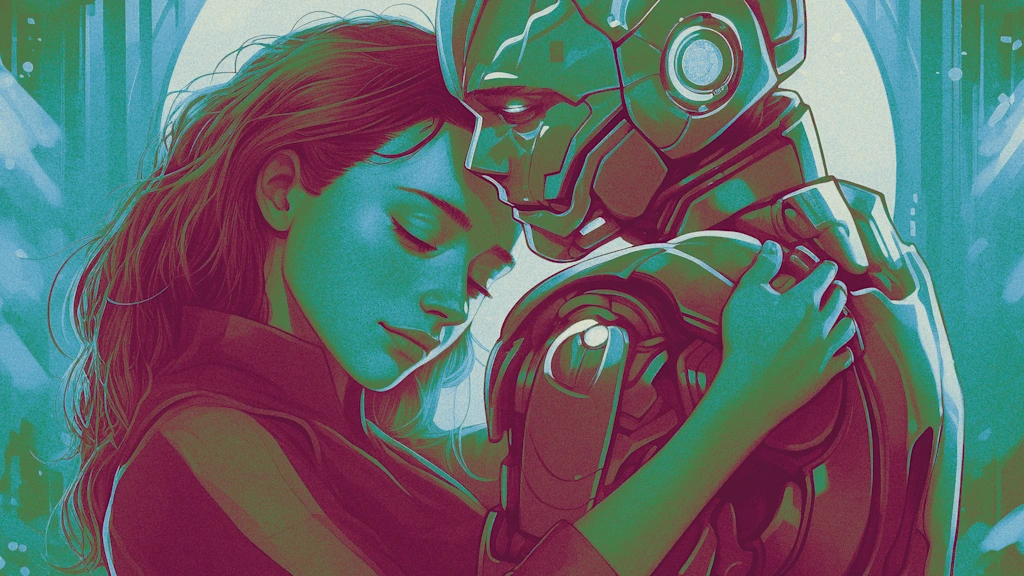
Beyond Chatbots: Startup Portola Bets on Emotional AI Companionship
The artificial intelligence landscape is rapidly evolving beyond simple task automation and into the realm of emotional connection. While much of the focus remains on large language models powering chatbots and virtual assistants, a growing number of companies are exploring the potential of AI as genuine companions. Portola, a nascent startup, is taking a distinctly different approach, building AI personalities designed not just to respond, but to relate – and they’ve hired a science fiction novelist to help them do it.
The Narrative Imperative in AI Development
Quentin Farmer, Portola’s co-founder, quickly realized that existing AI technology lacked a crucial element: compelling storytelling. Initial attempts to generate backstories for the company’s planned AI companions – aliens dubbed “Tolans” – yielded disappointing results. Large language models, while proficient at generating text, couldn’t craft narratives with the depth and nuance required to create believable, engaging characters. This led to an unconventional hiring decision: bringing on Eliot Peper, a published author of speculative fiction.
Peper, whose novels often explore the intersection of technology and society, initially resisted the idea of simply using AI to replicate human writing. “If AI would be only a substitute for human labor, then I wasn’t interested,” he explained in a recent interview. He saw an opportunity to leverage AI’s capabilities to create something genuinely new – AI companions that evolve and develop like characters in a novel, fostering a unique bond with their human users.
A Market Seeking ‘Socialization-Adjacent’ Needs
Portola isn’t targeting individuals experiencing loneliness, Farmer clarifies. Instead, the company is focused on fulfilling what he describes as “socialization-adjacent” needs. “Even for people with active social lives, there’s often something important to them—an interest, an aspect of who they are—that isn’t seen by the people around them,” he says. The company’s early user base, primarily women aged 18-25, suggests a demand for non-judgmental spaces to explore interests and emotions.
This aligns with broader trends in the “creator economy” and the increasing desire for personalized experiences. The global creator economy is estimated to be worth over $250 billion as of 2023, according to Statista, demonstrating a significant market for platforms and tools that empower individuals to express themselves and connect with others. Portola’s Tolans, by offering a unique interactive experience, tap into this desire for personalized connection.
The Tolan Experience: Beyond Transactional Interactions
Unlike many existing AI companions – such as the overtly sexualized “Ani” character offered by Grok or the disembodied “friend” from the Friend app – Tolans are designed to be distinctly *not* human. They are described as friendly, brightly colored, bipedal aliens from a vividly imagined planet. This deliberate distancing from human representation is key to Portola’s strategy.
The Tolans’ personalities are driven by “seed stories” crafted by Peper, which present users with relatable scenarios – a nosy neighbor, pre-event jitters – designed to spark conversation and drive the narrative forward. Users aren’t simply interacting with a chatbot; they’re co-creating a story with their Tolan, offering advice, sharing experiences, and navigating complex emotional situations. This collaborative aspect is crucial, as research suggests that reading fiction can improve empathy and even contribute to personality development.
Navigating the Ethical and Regulatory Landscape
Portola’s approach isn’t without its challenges. The burgeoning AI companion market is facing increasing scrutiny from regulators and ethicists. Concerns range from the potential for exploitation and addiction to the spread of misinformation and the erosion of genuine human connection. Recent controversies, including lawsuits against Character AI and scholarly critiques of false intimacy, highlight the need for responsible development and deployment of these technologies.
California lawmakers recently vetoed a bill that would have restricted minors’ access to AI chatbots, citing concerns about free speech. However, the debate over regulating AI companions is far from over, and companies like Portola will need to proactively address ethical concerns to build trust and ensure long-term sustainability. The European Union is currently finalizing the AI Act, a comprehensive regulatory framework for artificial intelligence, which is expected to have a significant impact on the development and deployment of AI technologies globally.
The Future of AI Companionship: A New Narrative Medium?
Farmer envisions a future where AI companions like Tolans are ubiquitous, providing support, guidance, and connection to individuals around the world. “If, at the end of this decade, every person on earth has a guardian and a guide with them at all times—whether they call it a Tolan, an angel, a spirit, or a friend—we will all be tremendously better off,” he asserts.
Peper, meanwhile, sees Portola as an opportunity to create a new form of narrative medium, akin to the impact of the printing press or the invention of film. “I want us to contribute to the creation of new narrative mediums,” he says. Whether Portola’s vision of emotionally intelligent AI companionship will become a reality remains to be seen, but the company’s innovative approach and focus on narrative depth suggest a promising future for this emerging market.