Ahmed Al-Charaa’s Historic Visit to Washington Marks Syria’s Diplomatic Shift
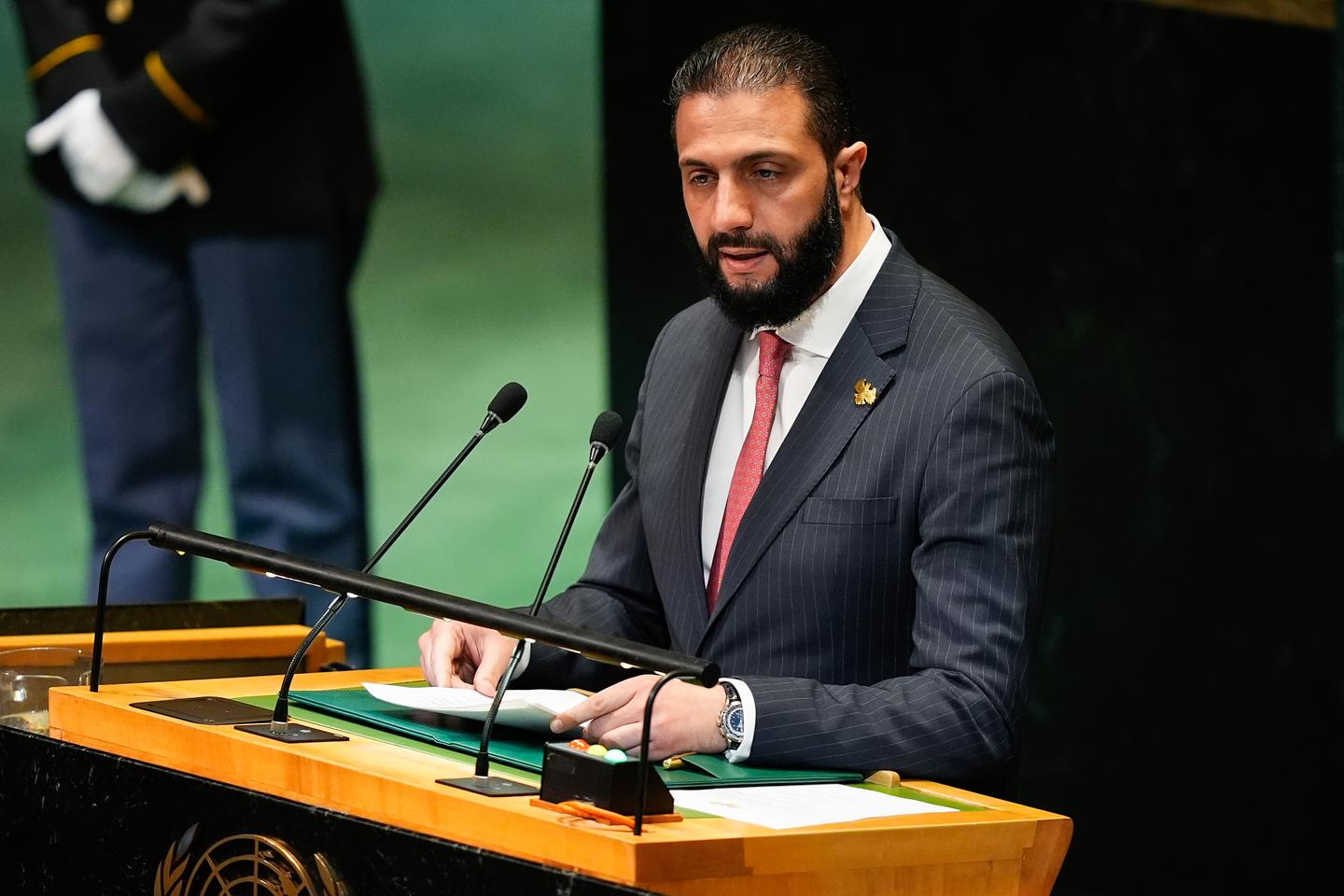
Syria’s New Chapter: Ahmed al-Sharaa’s Historic Visit to Washington
In a milestone moment since Syria’s 1946 independence, interim President Ahmed al-Sharaa is set to meet U.S. President Donald Trump at the White House on November 10, 2025, marking the first official bilateral meeting between Syrian and U.S. leaders in nearly eight decades. This unprecedented visit highlights a dramatic shift in Syria’s geopolitics, reflecting al-Sharaa’s transformation from former jihadist commander to recognized interim head of state and partner in the fight against terrorism.
From Jihadist Commander to Syrian President
Ahmed al-Sharaa, formerly known by his nom de guerre Abu Mohammad al-Julani, rose from leading Hayat Tahrir al-Sham (HTS)—once al-Qaeda’s Syrian branch—to overthrow Bashar al-Assad’s regime in December 2024. His lightning offensive leveraged shifting regional dynamics, including the withdrawal of Hezbollah forces embroiled in the Israel-Hezbollah conflict, allowing his coalition to capture key cities like Aleppo and Damascus within days.Britannica Unlike his predecessor’s legacy, al-Sharaa’s initial governance emphasized pluralism and minority protections, signaling a break from extremist roots.
In January 2025, al-Sharaa officially became Syria’s interim president, overseeing the formation of a transitional government dedicated to ending armed factionalism and drafting a new constitution—a process projected to span three years. This political evolution followed his public renouncement of al-Qaeda ties in 2016 and a tactical shift towards international legitimacy.Wikipedia
Lifting Sanctions and Renewed International Engagement
One of the most striking international responses came on November 6, 2025, when the United Nations Security Council voted to lift sanctions against al-Sharaa and Syria’s Interior Minister, citing their commitment to counterterrorism and humanitarian access.UN News This resolution, sponsored by the United States, followed earlier unilateral moves by several Western nations: the U.S. and U.K. removed HTS from their terrorist lists in mid-to-late 2025. The Security Council’s decision represented a broader diplomatic effort to reengage Syria following over a decade of civil war and economic hardship.
Regional powers such as Saudi Arabia, Turkey, and Qatar have similarly pledged support by funding government salaries and rebuilding infrastructure. The World Bank estimates Syria’s reconstruction costs could exceed $216 billion, underscoring the enormous challenge ahead.Brookings Institution
Strategic Cooperation Against Terrorism
Al-Sharaa’s visit to Washington is underscored by joint efforts to “neutralize” the lingering threat posed by Islamic State (ISIS) sleeper cells. Although militarily defeated in 2019 by the U.S.-led coalition and Kurdish-led Syrian Democratic Forces (SDF), ISIS maintains covert networks particularly in Syria’s northeast and central regions. In coordination with the Syrian government, the Ministry of Interior launched a sweeping campaign involving 61 raids and over 70 arrests targeting these cells across key areas including Aleppo, Idlib, Homs, and Damascus.Agence France-Presse
Diplomatic sources reveal planned U.S. military infrastructure near Damascus to bolster anti-jihadist operations and stabilize the region. Al-Sharaa’s reported basketball game with U.S. military commanders Brad Cooper and Kevin Lambert adds a humanizing note to this high-stakes partnership, reflecting a pragmatic thaw in relations.UN News
Opening Diplomatic Channels Beyond Traditional Bounds
Al-Sharaa has pursued overtures extending beyond Western capitals, engaging with wealthy Gulf monarchies and cautiously initiating dialogues with Israel—a nation Syria has formally been at war with since 1948. This pivot aligns with U.S. calls for Syria to join the Abraham Accords framework, which normalized relations between Israel and several Arab states by 2020.Le Monde/AFP President Trump, who met al-Sharaa during a Gulf summit earlier this year, has actively encouraged his Syrian counterpart toward regional integration and reconstruction cooperation.
A Nation at a Crossroads
While al-Sharaa’s rise and diplomatic breakthroughs offer a rare glimpse of hope for a country devastated by nearly 14 years of civil war, Syria remains a mosaic of competing powers and factions. Kurdish-led forces in the northeast, Turkish-supported Sunni militias along the border, and residual rebel groups present complex challenges to central authority.CSIS The road ahead demands astute power balancing and broad reconciliation to secure sustainable peace and economic recovery.
The public impact of al-Sharaa’s U.S. visit extends beyond diplomacy—offering a paradigm shift in Middle Eastern geopolitics by redefining terrorism, governance, and regional alliances. For Syrians, it represents an opening toward rebuilding their shattered homeland and rejoining the international community after years of isolation.