China Eastern Resumes Shanghai–Delhi Direct Flights, First in 2025
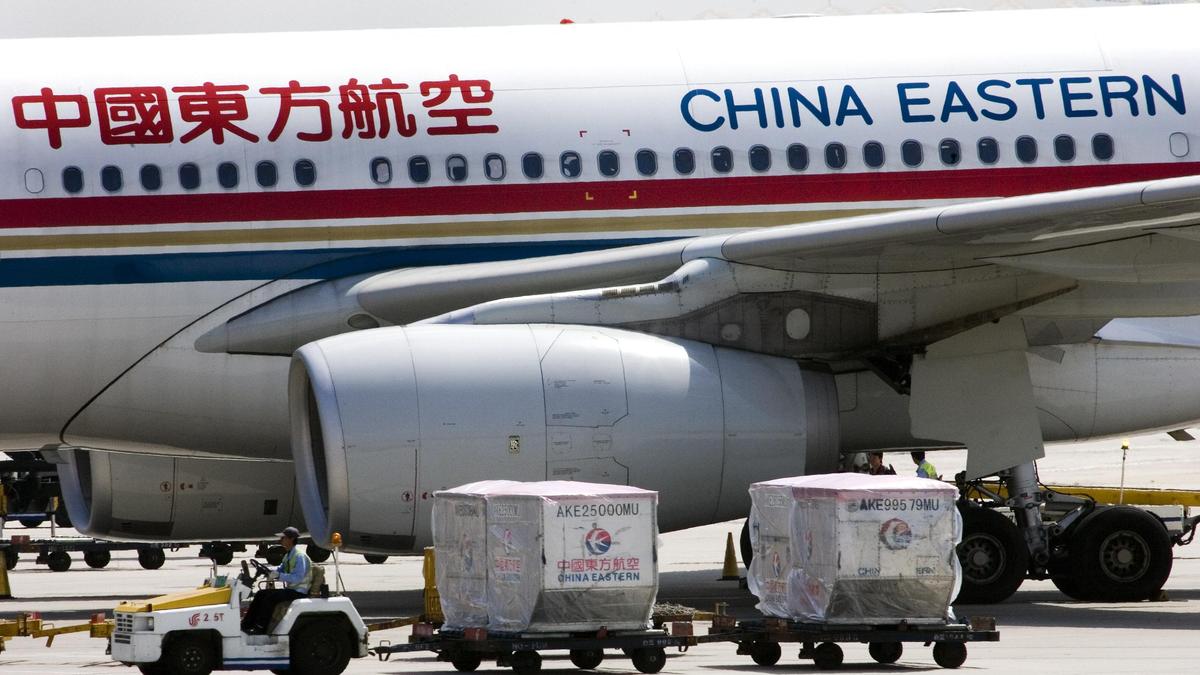
China Eastern Marks Revival of China-India Air Connectivity After Five-Year Hiatus
In a significant milestone for Sino-Indian relations, China Eastern Airlines resumed its direct passenger flights between Shanghai and Delhi on November 9, 2025, breaking a five-year interruption caused by geopolitical tension and the COVID-19 pandemic. Flight MU563, carrying 248 passengers, took off from Shanghai Pudong International Airport with a reported 95% occupancy rate, signaling robust demand for this crucial air corridor.
The Route and Its Strategic Importance
The Shanghai-Delhi flight primarily operates three times weekly — Wednesdays, Saturdays, and Sundays — aboard an Airbus A330 wide-body aircraft. The route connects two of Asia’s largest economic hubs, facilitating not only business and trade exchanges but also cultural diplomacy. As the Global Times noted, reopening this corridor is expected to boost bilateral commerce and increase people-to-people interactions that had waned during half a decade of diplomatic chill.
China Eastern’s plans include ramping up flight frequency in response to market demand and potentially expanding to new routes such as Kunming-Kolkata and Shanghai-Mumbai, enhancing regional connectivity further.
Context of Diplomatic Rapprochement
After the Galwan Valley skirmishes in June 2020, Indo-China relations plunged to their lowest since the 1962 Sino-Indian War, stalling diplomatic and transport links. Military tensions lingered, delaying restoration of vital air services. The complete disengagement agreement regarding friction points like Depsang and Demchok in eastern Ladakh, signed in October 2024, paved the way for normalization.
High-level diplomacy followed, notably the meeting between Prime Minister Narendra Modi and President Xi Jinping at the SCO summit in Kazan, Russia, which emphasized stabilization and improved bilateral cooperation. Since then, incremental confidence-building steps, including resumption of the Kailash Mansarovar pilgrimage and direct flights, have marked a thaw.
Resumption of India-China Flights and Economic Significance
Even before China Eastern’s return, Indian carrier IndiGo had resumed elements of air connectivity, initiating its Kolkata-Guangzhou service on October 26, 2025, followed by a planned daily Delhi-Guangzhou route starting November 10. This step marked an end to a five-year freeze that began soon after the COVID-19 pandemic and worsened with border tensions.
The reactivation of these routes aligns with broader projections for Indo-China trade, which according to the United Nations Conference on Trade and Development (UNCTAD), reached $185 billion in 2024 and is anticipated to grow as diplomatic and transport ties deepen. Enhanced air connectivity plays a critical role in supporting this economic relationship by facilitating faster movement of goods, business personnel, and tourists.
Implications for Regional Stability and Connectivity
The restoration of direct air links also carries geopolitical undertones. Improved connectivity enriches engagement at multiple levels — commercial, cultural, academic, and governmental — potentially helping to ease longstanding tensions and promote dialogue. It demonstrates pragmatic diplomacy, wherein infrastructure revival is a tangible step towards rapprochement despite unresolved border disputes.
Furthermore, China Eastern’s measured approach in scaling flight frequency and route expansion indicates calculated confidence in sustaining bilateral engagement. The airline’s route—operating thrice a week initially with plans for growth—also underscores the cautious optimism prevailing in governmental and commercial circles.
Looking Ahead: A Milestone in a Complex Relationship
The resumption of direct flights between China and India after five years underlines a pivotal moment in their complex, often fraught, relationship. It exemplifies how geopolitical fissures can gradually be bridged through sustained diplomatic efforts and practical cooperation. The move not only reconnects two economic powerhouses but could also unlock avenues for people-to-people diplomacy and regional stability, proving that transportation links are more than mere commercial routes — they are conduits of peace and progress.