Israel-Hamas Ceasefire: Netanyahu Signals Phase 2 – Disarming Gaza & Trump Plan
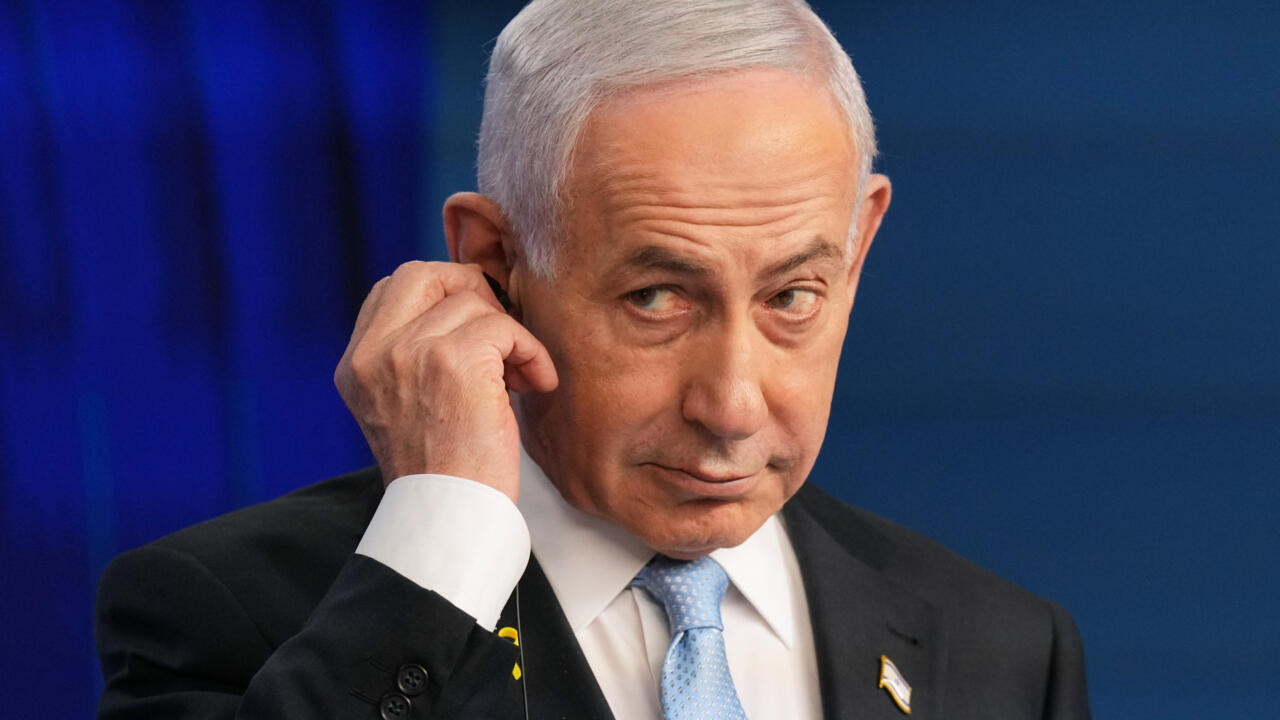
Gaza Truce Poised for Next Phase as Hostage Remains Delay Full Ceasefire
Jerusalem – A fragile peace hangs in the balance as Israel and Hamas appear on the cusp of entering the second phase of a ceasefire agreement, contingent on the return of the remains of the final hostage held in Gaza. Israeli Prime Minister Benjamin Netanyahu announced Sunday that the transition could occur “very shortly,” but the process remains fraught with tension and uncertainty, underscored by a visit from German Chancellor Friedrich Merz.
The current ceasefire, which began on October 10th, has already facilitated the release of 47 living and deceased captives seized during the Hamas-led attack on Israel on October 7, 2023. However, the return of Ran Gvili, a 24-year-old police officer whose body was taken to Gaza, is the final hurdle to progressing to the next, more complex stage.
Beyond a Prisoner Swap: The Ambitious Second Phase
The second phase, as outlined by Netanyahu, extends far beyond a simple exchange of prisoners. It envisions the disarming of Hamas and the demilitarisation of Gaza – a goal that has eluded international efforts for years. Crucially, it also includes the deployment of an international security force and the establishment of a temporary Palestinian government to manage daily affairs under the oversight of an international board, reportedly led by former US President Donald Trump.
This ambitious plan, stemming from Trump’s 20-point ceasefire proposal, is facing immediate challenges. Hamas claims it has been unable to locate all the remains of hostages, alleging they are buried under rubble resulting from Israel’s two-year offensive in Gaza. Israel, however, accuses Hamas of deliberately stalling, threatening to resume military operations or halt humanitarian aid deliveries if all remains are not returned.
The situation is further complicated by the dire humanitarian crisis unfolding in Gaza. According to the UN Office for the Coordination of Humanitarian Affairs (OCHA), as of December 6th, approximately 1.9 million people – 85% of Gaza’s population – are internally displaced. This displacement, coupled with limited access to essential resources, creates a volatile environment that could easily derail the ceasefire.
Germany’s Role: Security Assistance and Historical Responsibility
Germany is actively supporting the implementation of the second phase, sending officers and diplomats to a US-led civilian and military coordination centre in southern Israel. Chancellor Merz reaffirmed Germany’s unwavering commitment to Israel’s security, citing the nation’s historical responsibility stemming from the Holocaust. “This is part of the unchanging core of our relationship,” Merz stated, emphasizing that this support is “today, tomorrow, and forever.”
Beyond security assistance, Germany is also providing humanitarian aid to Gaza. However, Merz also clarified Germany’s position on a two-state solution, stating that recognition of a Palestinian state should come at the *end* of a peace process, not as a precondition. This stance reflects a cautious approach, mindful of the complex political landscape and the need for lasting security guarantees for Israel.
</figure>A Delicate Balance: Netanyahu’s Concerns and ICC Warrant
Netanyahu, while expressing cautious optimism, acknowledged the immense challenges ahead. He noted that few believed the first phase of the ceasefire was achievable, and the second phase will be even more difficult. Adding another layer of complexity, Netanyahu revealed his reluctance to visit Germany due to concerns about a potential arrest warrant issued by the International Criminal Court last year.
Despite these hurdles, the resumption of military ties between Germany and Israel remains strong. This week, Germany activated the first phase of the Israeli-made Arrow missile defence shield, a $4.5 billion deal representing Israel’s largest-ever arms export agreement. This demonstrates a continued commitment to Israel’s security, even amidst diplomatic sensitivities.
The conflict has already taken a devastating toll. Since the October 7th attack, Israeli forces have killed over 370 Palestinians in Gaza since the start of the ceasefire, according to the Gaza Health Ministry. The initial Hamas attack resulted in approximately 1,200 Israeli deaths and the abduction of over 250 hostages, most of whom have now been released.
As of November 22, 2023, the World Bank estimated that the damage to infrastructure in Gaza exceeds $18.5 billion, representing 97% of Gaza’s GDP. This staggering figure underscores the immense reconstruction effort that will be required, even if a lasting ceasefire is achieved.
The coming days will be critical in determining whether this fragile ceasefire can evolve into a more sustainable peace. The return of Ran Gvili’s remains is not merely a humanitarian act; it is a pivotal step towards a future where both Israelis and Palestinians can live without fear.