US Boat Strikes: Family Challenges Killings in Human Rights Petition
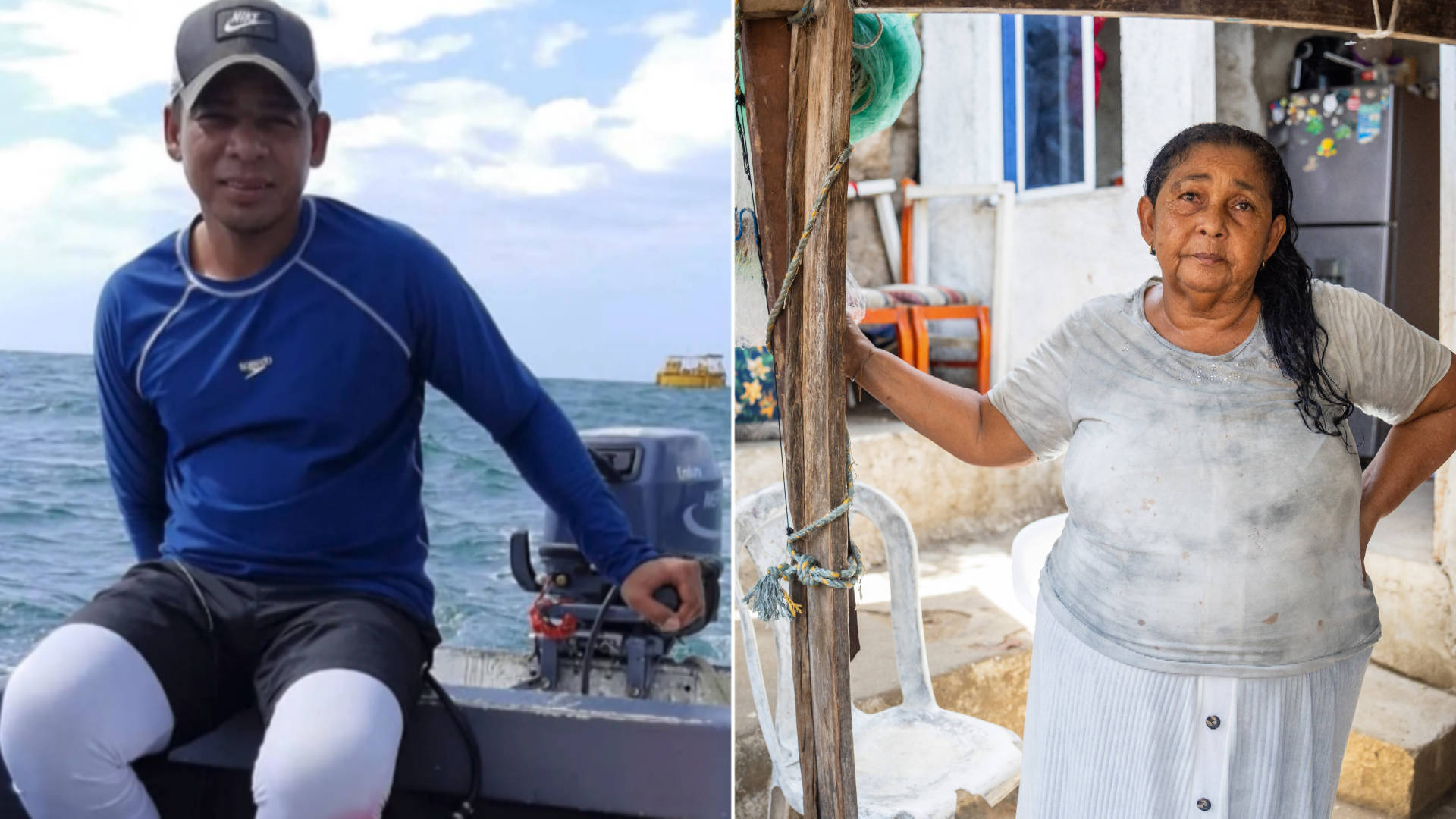
U.S. Military Strikes in Pacific Spark Human Rights Challenge, Fueling International Outcry
The U.S. military’s escalating campaign of strikes against vessels in the eastern Pacific Ocean, ostensibly targeting drug trafficking, is facing its first formal legal challenge. A Colombian family, grieving the loss of a fisherman killed in a September 15th bombing, has filed a petition with the Inter-American Commission on Human Rights, alleging unlawful killing and demanding accountability. The case shines a harsh light on a series of operations that have resulted in at least 87 deaths since September, raising serious questions about due process and the justification for lethal force.
A Fisherman’s Tale: From Tuna to “Narco-Terrorist”
Alejandro Andres Carranza Medina, a 42-year-old father of four from Santa Marta, Colombia, was earning a living as a tuna and marlin fisherman when his boat was destroyed by a U.S. strike. His family vehemently denies allegations that he was involved in drug smuggling, a claim initially leveled by former President Donald Trump. Trump asserted at the time that the wreckage revealed “big bags of cocaine and fentanyl all over the place,” offering what critics have dismissed as unsubstantiated evidence.
The family’s petition directly challenges this narrative, arguing that Carranza Medina was simply providing for his family. International human rights attorney Dan Kovalik, who filed the petition, emphasized the fundamental principle of innocent until proven guilty. “None of these people were charged. None of them were put on trial and convicted. This is not how a civilized nation should act, just murdering people on the high seas without proof, without trial,” Kovalik stated in an interview with Democracy Now!.
The situation is particularly sensitive given Colombia’s history. For decades, the country has grappled with the legacy of right-wing paramilitary groups, some of which received support from the United States during past conflicts. The Carranza Medina family reports receiving death threats from these groups after publicly disputing the U.S. government’s account of the incident, forcing them to flee their home.
Lack of Transparency and Growing Concerns
The U.S. military has consistently declined to provide concrete evidence supporting its claims that the targeted vessels were engaged in drug trafficking. Despite conducting 22 strikes resulting in dozens of fatalities, officials have offered little beyond assertions and limited visual documentation, such as a video showing a small boat engulfed in flames. This lack of transparency has fueled criticism from human rights organizations and legal experts, who argue that the operations violate international law and fundamental principles of due process.
The United Nations Office on Drugs and Crime (UNODC) estimates that cocaine production in Colombia reached a record high in 2023, exceeding 1,700 metric tons. While the U.S. government frames these strikes as a crucial component of its anti-drug strategy, critics argue that they are disproportionate, ineffective, and contribute to a cycle of violence and instability.
Colombia’s Shifting Stance and the Petro Administration
The current Colombian government, led by President Gustavo Petro, appears to be taking a markedly different approach to the issue than its predecessors. Petro’s administration reportedly facilitated contact between Kovalik and the Carranza Medina family and is establishing a commission to investigate other potential wrongful killings of Colombian citizens in the Caribbean Sea. This represents a significant shift in posture, signaling a willingness to challenge the U.S. military’s actions and seek justice for its citizens.
“The Colombian government is behind them, is supporting them,” Kovalik confirmed, highlighting the growing domestic outrage over the strikes. He also noted that fishermen are now hesitant to venture out to sea, fearing they could become unintended targets. This disruption to livelihoods adds another layer of complexity to the situation, raising concerns about the broader socio-economic impact of the U.S. military’s operations.
The Inter-American Commission and the Path Forward
The Inter-American Commission on Human Rights, established in 1959, is a principal organ of the Organization of American States. It has the authority to investigate human rights violations committed by member states, including the United States. While the commission’s recommendations are not legally binding, a favorable ruling in the Carranza Medina case could exert significant pressure on the U.S. government to provide compensation to the family and cease the controversial strikes.
Kovalik believes that a combination of legal pressure and public awareness is key to achieving justice. “The American public is disgusted by [these killings],” he stated. The case is likely to galvanize further scrutiny of U.S. foreign policy and the use of lethal force in the context of the war on drugs, prompting a broader debate about the ethical and legal implications of these operations. The petition filed by the Carranza Medina family is not just a quest for individual justice; it’s a challenge to the very principles of accountability and the rule of law on the high seas.