Zambia’s Hichilema defends record amid growing discontent
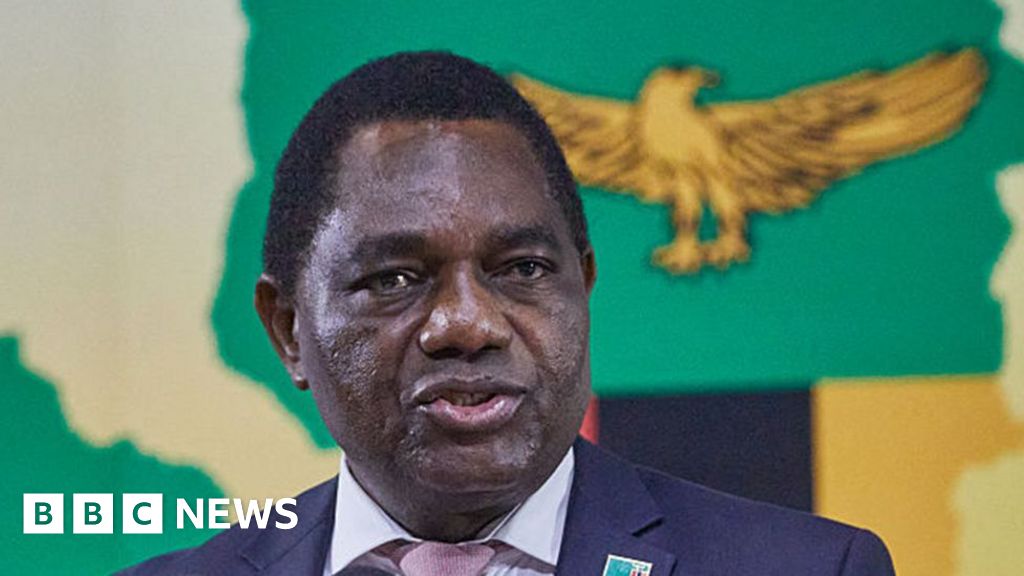
Zambia’s Hichilema Faces Growing Discontent as Economic Gains Fail to Translate to Public Trust
CHINGOLA, Zambia – Just nine months from a crucial election, Zambian President Hakainde Hichilema is battling a surge of public frustration, punctuated by increasingly brazen displays of discontent. From stone-throwing protestors forcing him to abandon public addresses to a growing chorus of criticism questioning his commitment to the promises that swept him into power, the once-celebrated leader is facing a stark reality: economic improvements aren’t always felt at the grassroots level.
A Landslide Victory Built on Hope, Now Tested by Reality
Hichilema’s 2021 election victory was a watershed moment for Zambia. After five unsuccessful bids for the presidency, he capitalized on widespread anger over a collapsing economy, soaring inflation – which peaked at 25% in 2021 – and chronic power outages. His slogan, “Bally will fix it” (“bally” being Zambian slang for father), resonated deeply with a population desperate for change. He promised to tackle the country’s crippling debt, stabilize the currency, and deliver tangible improvements to everyday life.
And, to a degree, he has delivered. Zambia has successfully renegotiated its debt with international creditors, securing a Staff-Level Agreement with the International Monetary Fund (IMF) in December 2023, a crucial step towards economic recovery. Inflation has cooled to just under 12%, and the kwacha has strengthened. Investment in infrastructure, education, and healthcare is increasing.
However, these macroeconomic gains are failing to translate into a noticeable improvement in the lives of many Zambians. The persistent energy crisis, coupled with a high cost of living and limited employment opportunities, is fueling resentment. The recent attacks on the President – including an incident in Chingola where he was forced to abandon a speech while delivering $450,000 (£340,000) for a local market reconstruction – are a stark illustration of this growing disconnect.
 Getty Images
From Champion of Democracy to Accusations of Repression
Hichilema’s transformation from long-time opposition leader to head of state has also drawn criticism. While he once positioned himself as a staunch defender of democratic values, opponents now accuse him of adopting tactics similar to those of his predecessor, Edgar Lungu. The passage of the Cybersecurity Law, ostensibly aimed at combating online fraud and child pornography, has been particularly controversial, with critics arguing it grants the state excessive surveillance powers. Dr. Sishuwa Sishuwa, a Zambian historian at Stellenbosch University, argues Hichilema has, in some ways, become “much worse” than the leader he replaced.
The President vehemently denies these accusations, insisting his government respects the rule of law and has not engaged in politically motivated persecution. However, the perception of a shift in his approach is damaging his credibility with those who once saw him as a beacon of hope.
The Delimitation Dilemma: A Constitutional Review Sparking Controversy
Adding fuel to the fire is Hichilema’s support for a controversial constitutional review process, including a plan to increase the number of parliamentary constituencies. While he argues this is necessary to ensure equitable resource distribution and is mandated by the constitution every ten years, opponents claim it’s a ploy to consolidate power and manipulate electoral boundaries. This echoes criticisms leveled against Lungu during a similar review process, which Hichilema actively opposed at the time. The planned national prayers protesting the process highlight the depth of public concern.
A Call for Patience, Met with Growing Impatience
In a recent press conference – his first in 18 months – Hichilema appealed for patience, acknowledging the pain caused by ongoing challenges like power outages and the high cost of living. He emphasized that long-term development and investment programs take time to yield results. However, as evidenced by the stones thrown his way, that message is struggling to resonate with a population increasingly desperate for immediate relief. The Jesuit Centre for Theological Reflection’s October report underscores this point, highlighting how essential food and non-food items are consuming a growing share of household income, forcing families to make difficult choices.
The coming months will be critical for Hichilema. Successfully addressing the energy crisis, tackling the cost of living, and restoring public trust will be paramount if he hopes to secure a second term. The situation in Zambia serves as a potent reminder that economic statistics alone do not guarantee political stability, and that the lived experiences of citizens are ultimately what determine a leader’s fate. The challenge for Hichilema is to bridge the gap between the macro-economic successes his government touts and the everyday realities faced by ordinary Zambians.