Women in Sailing: Breaking Barriers & Finding Their Voice
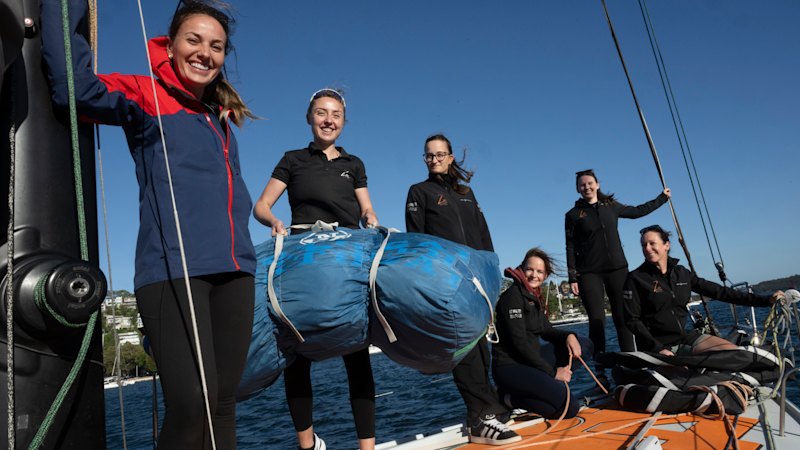
Breaking Barriers: All-Female Crew Finds Voice and Opportunity in Ocean Racing
The world of competitive sailing, historically dominated by men, is witnessing a subtle but significant shift. A recent voyage isn’t defined by record-breaking speeds or tactical brilliance on the water, but by the creation of a space where female sailors are not just participating, but thriving – and, crucially, being *heard*. Aboard a yacht currently unnamed in official racing circuits, a crew comprised entirely of women is challenging ingrained norms and offering a glimpse into a more inclusive future for the sport. The experience, detailed in recent interviews with crew members, highlights the pervasive, often unconscious, biases that have long limited women’s roles in sailing and beyond.
The Echo Chamber: Silenced Voices and Lost Opportunities
The frustrations voiced by the crew are remarkably consistent. Skipper Taylor recounted a common scenario: issuing commands during sail trimming, only to have them immediately repeated by a male colleague, effectively erasing her initial instruction. “I literally just said that, you’re speaking over me,” she explained, a sentiment echoed by crew member Katie O’Mara, who described a situation where someone physically took equipment from her hands. These aren’t isolated incidents; they represent a pattern of subtle undermining that can stifle confidence and limit opportunities for advancement. The impact extends beyond simple annoyance. In a high-pressure environment like competitive sailing, where split-second decisions are critical, being denied a voice can directly affect performance.
This dynamic isn’t unique to sailing. A 2023 study by Catalyst, a leading non-profit working to build inclusive workplaces, found that women are significantly more likely than men to report having their ideas ignored or credited to someone else in professional settings. The parallels are striking, suggesting that the challenges faced by these sailors are symptomatic of broader societal issues.
Beyond Trimming: Challenging Assigned Roles and Fostering Expertise
Historically, women in sailing have often been relegated to specific roles, frequently “wing defence” – a term borrowed from netball to describe a position that’s important but rarely decisive. This limits their exposure to critical aspects of the sport, such as engine maintenance, navigation systems, and tactical decision-making. Maddie Lyons, a crew member, noted that she and many of her peers “have grown up where boys would be shown mechanical stuff, and girls are shown how the stove works.”
The current crew is actively dismantling this pattern. They are encouraged to explore all facets of the yacht’s operation, from understanding the intricacies of the engine and battery systems to mastering the use of solar panels. This holistic approach is fostering a deeper understanding of the sport and empowering the women to take on leadership roles. Malin Ludwig, 32, articulated the value of this environment: “I like the idea that you’re not put in a box or in a role.”
Acknowledging Allies and Building a Foundation for Change
While the focus is on empowering women, the crew is quick to acknowledge the support they’ve received from male colleagues, mentors, and sponsors. Stevenson emphasized that “most of the stuff we all know has actually come from a lot of really good guys,” highlighting the importance of allyship in driving change. However, the significance of this particular voyage lies in the creation of a space where women can share their experiences openly and honestly, without the fear of being dismissed or overshadowed.
Interestingly, the crew members revealed that this was the first time they had collectively discussed these issues. The act of sharing, of validating each other’s experiences, proved to be profoundly empowering. As the narrative suggests, women often internalize these microaggressions, waiting for the “right time” to voice their concerns – a time that often never comes. The yacht, in this instance, has become that “right time,” a safe harbor for honest conversation and mutual support.
The Competitive Landscape and the Future of Sailing
While this crew isn’t currently competing in a major regatta – such as those sanctioned by World Sailing, the international governing body for the sport – their journey has broader implications for the competitive landscape. Increased female participation and leadership are essential for the long-term health and vitality of sailing. According to Statista, as of 2023, women represent approximately 27% of active sailing club members globally. Increasing this percentage requires addressing the systemic barriers that prevent women from fully participating in the sport.
The success of this all-female crew could serve as a catalyst for change, inspiring other teams to prioritize inclusivity and create environments where women can thrive. It’s a reminder that fostering diversity isn’t just a matter of fairness; it’s a matter of unlocking untapped potential and driving innovation. The ocean is vast, and there’s room for everyone to chart their own course.