White House Shooting: Flaws in ‘Operation Allies Welcome’ Exposed
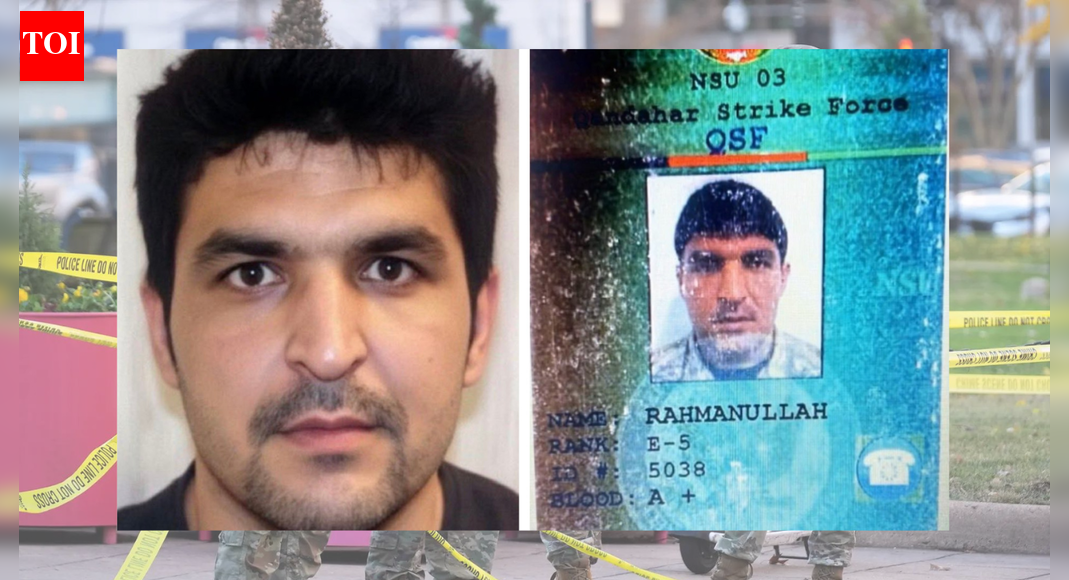
White House Shooting Spotlights Flaws in US Afghan Relocation Program
WASHINGTON – A shooting near the White House that left two National Guard soldiers critically injured has cast a harsh light on “Operation Allies Welcome,” the Biden administration’s program designed to resettle Afghan nationals who aided the United States during its two-decade war. The incident, involving suspect Rahmanullah Lakanwal, has triggered scrutiny over vetting procedures and data management within the initiative, raising questions about national security and the long-term integration of Afghan refugees.
The program, launched in August 2021 following the chaotic withdrawal of US forces from Afghanistan, aimed to provide a pathway to the United States for Afghans who faced imminent danger from the resurgent Taliban. Roughly 90,000 Afghans were deemed eligible for Special Immigration Visas, and Operation Allies Welcome was intended to streamline their resettlement. However, a series of reports, including a damning Department of Homeland Security (DHS) Inspector General report released last year, reveal systemic issues that may have compromised the program’s effectiveness.
Lakanwal, 29, arrived in the United States through Operation Allies Welcome and was granted asylum in April after applying in December 2022. He had no prior criminal record, but his background has since come under intense scrutiny following the shooting. An ID badge circulating online suggests a connection to the Afghan “Zero Units,” elite forces trained and equipped by the Central Intelligence Agency (CIA). Specifically, the badge references the “Kandahar Strike Force” (03 Unit) and “Firebase Gecko,” a former US intelligence base in Kandahar.
CIA Director John Ratcliffe has confirmed that Lakanwal previously worked with the US government as a member of a partner force in Kandahar. These units, while highly valued by US intelligence agencies for their effectiveness, were also known within Afghanistan for alleged human rights abuses, including extrajudicial killings during night raids. A former senior Afghan general told CBS News that the 03 Unit was “the most active and professional forces, trained and equipped by the CIA,” operating entirely under the agency’s command.
A System Riddled with Errors
The DHS Inspector General’s report paints a picture of a program plagued by data inaccuracies and a lack of oversight. The review found numerous instances of Afghans being issued multiple identification numbers or having their names misspelled in official records. These errors, the report stated, made it exceedingly difficult to accurately track “biographic or criminal history data,” hindering officials’ ability to properly vet arrivals.
“Immigration personnel must have accurate information on individuals to ensure the integrity of the adjudication and enforcement processes,” the report emphasized. The lack of a clear process for monitoring parole expiration dates further exacerbated the problem. According to the report, responsibility for tracking parole expirations was unclear, with officials from Customs and Border Protection (CBP), US Citizenship and Immigration Services (USCIS), and Immigration and Customs Enforcement (ICE) all assuming another agency was handling the task.
The Geopolitical Context of Evacuation Priorities
The urgency surrounding Operation Allies Welcome stemmed from the immediate threat faced by Afghans who had collaborated with the US military and intelligence agencies. Members of the CIA-linked Zero Units were prioritized for evacuation due to their high-profile roles and the likelihood of Taliban retribution. This prioritization, while understandable given the circumstances, may have inadvertently lowered the bar for vetting, as officials raced to extract as many at-risk individuals as possible.
The situation highlights a broader challenge in post-conflict resettlement: balancing the moral obligation to protect allies with the need to ensure national security. The US has a long history of welcoming refugees, but the scale and speed of the Afghan resettlement presented unique logistical and security hurdles.
Beyond the Headlines: A Global Refugee Crisis
The plight of Afghan refugees is part of a larger global trend of forced displacement. According to the UNHCR (United Nations High Commissioner for Refugees), as of early 2024, there are over 114 million people forcibly displaced worldwide – a figure that has more than doubled in the past decade. This includes refugees, asylum-seekers, and internally displaced persons, driven from their homes by conflict, persecution, and climate change.
The ongoing conflict in Ukraine, as well as crises in Sudan, Myanmar, and the Democratic Republic of Congo, are contributing to this escalating humanitarian emergency. The UNHCR estimates that approximately 36.4 million people are refugees under its mandate, highlighting the immense strain on international resources and the urgent need for comprehensive solutions.
The Path Forward: Strengthening Vetting and Oversight
The shooting near the White House has prompted calls for a thorough review of Operation Allies Welcome and its vetting procedures. Former President Donald Trump has vowed to “re-examine” the cases of all Afghans who entered the country during the Biden administration. While the White House has yet to comment specifically on the Inspector General’s report, the incident is likely to fuel a broader debate about immigration policy and national security.
Strengthening data management systems, clarifying lines of responsibility for parole monitoring, and enhancing vetting protocols are crucial steps to address the vulnerabilities identified in the program. However, it is equally important to avoid policies that unfairly stigmatize or discriminate against Afghan refugees, many of whom have risked their lives to support US efforts in Afghanistan. The challenge lies in finding a balance between security concerns and humanitarian obligations, ensuring that those who sought refuge in America are treated with dignity and respect.