Waabi and Volvo Integrate AI Driver for Level 4 Autonomous Volvo VNL Trucks
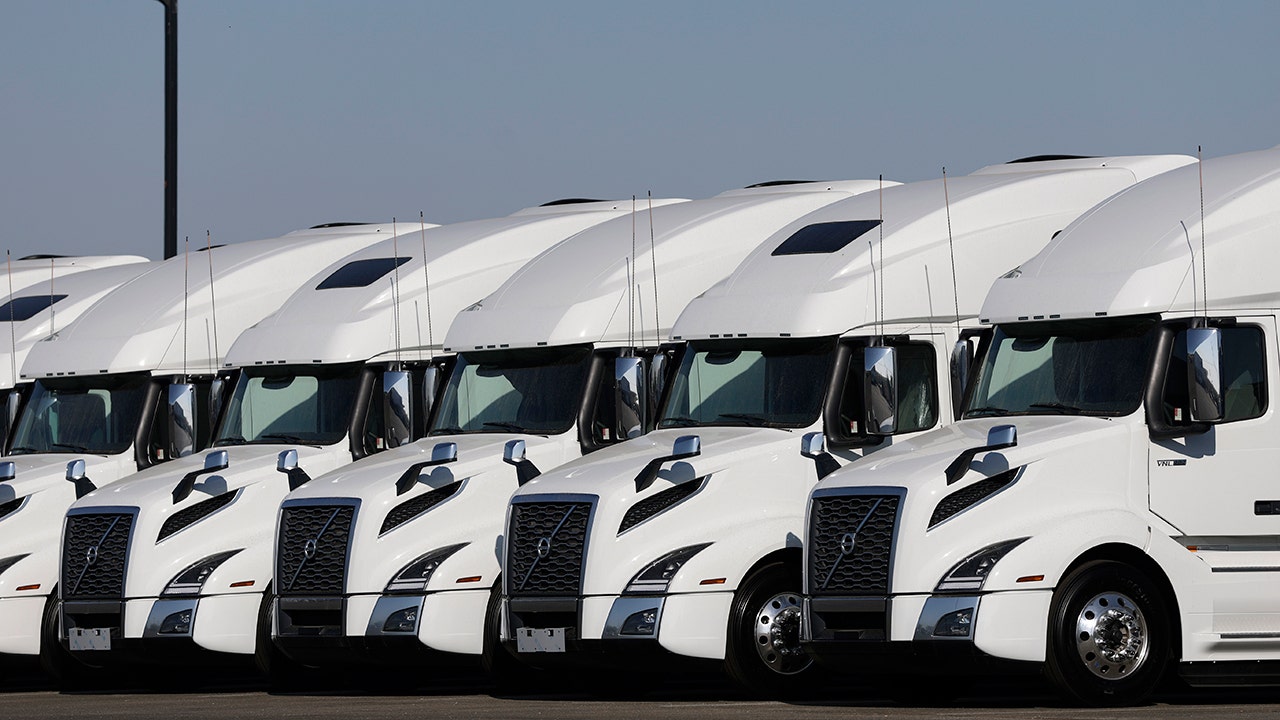
Waabi and Volvo Drive Autonomous Trucking into Commercial Reality
Autonomous trucking is accelerating toward broad commercial deployment, with Waabi and Volvo Autonomous Solutions announcing the successful integration of Waabi’s AI-powered “Waabi Driver” into Volvo’s VNL Autonomous truck. The milestone marks a significant leap for the industry, bringing Level 4 autonomy—where vehicles operate without human intervention under defined conditions—closer to mainstream freight operations.
The collaboration, which began with Volvo Group Venture Capital’s early investment in Waabi in 2023 and continued through a $200 million Series B funding round, has now culminated in a production-ready solution. The Volvo VNL Autonomous, built at the company’s New River Valley plant in Virginia, features six redundant systems—braking, steering, communication, computing, power, energy storage, and motion control—designed to ensure safe, driverless operations.
AI and Hardware: Building for Scale and Safety
Waabi’s approach centers on its “physical AI” model, which leverages an end-to-end interpretable and verifiable AI system. The Waabi Driver is trained using the company’s advanced simulator, Waabi World, which exposes the AI to millions of realistic driving scenarios before deployment. This method allows the system to generalize across diverse environments, a critical factor for safe and scalable autonomous trucking.
“The future of autonomous trucking hinges on technology that is safe, scalable, and built for customer needs,” said Raquel Urtasun, Founder and CEO of Waabi. “Together with Volvo and NVIDIA, we’re leading autonomous freight into a safer and more efficient era.”
The integration also incorporates NVIDIA’s DRIVE AGX Thor and Hyperion 10 architecture, providing the computing power needed for real-time decision-making and robust safety protocols. “Self-driving is one of the first frontiers in which we will see physical AI become a reality,” said Rishi Dhall, Vice President of Automotive at NVIDIA. “Level 4 autonomy in trucking is happening now.”
Market Impact and Regulatory Landscape
The U.S. freight market faces persistent challenges, including a shortage of qualified drivers and rising demand for goods. According to the Bureau of Labor Statistics, the trucking industry is projected to need over 1 million new drivers by 2030 to meet growing demand. Autonomous trucks offer a promising solution, potentially reducing shipping delays and lowering transportation costs.
However, the shift toward automation is not without hurdles. Safety remains a top concern, as trucks must navigate unpredictable weather, road debris, and interactions with human drivers. Regulators are still defining certification standards for nationwide deployment, and public perception will play a crucial role in adoption rates.
“Autonomy has the potential to address some of the biggest challenges in the transport industry, including safety, efficiency, and capacity,” said Nils Jaeger, President of Volvo Autonomous Solutions. “This partnership is helping build the broader ecosystem needed for commercial deployment.”
Economic and Social Implications
The move toward autonomous trucking is expected to reshape the industry, with significant implications for employment and economic growth. While automation could reduce the need for human drivers, it also creates new opportunities in technology, maintenance, and fleet management. Labor groups and state officials are calling for retraining programs to help workers transition into these new roles.
Data privacy and cybersecurity are also growing priorities, as autonomous trucks rely on constant cloud connectivity, making them potential targets for hackers. Building trust will require transparency, rigorous safety trials, and a strong performance record on open highways.
What’s Next for Autonomous Freight
Waabi and Volvo are now focused on delivering a safe, efficient, and scalable autonomous transport solution. The successful integration of the Waabi Driver with the Volvo VNL Autonomous is a key step toward broad commercial deployment, with the companies preparing for testing and eventual rollout across the U.S.
“We are excited to integrate Waabi’s cutting-edge system into our autonomous truck and jointly develop a safe, efficient, and scalable transport solution,” said Shahrukh Kazmi, Chief Product Officer at Volvo Autonomous Solutions.
As autonomous trucking continues to evolve, the collaboration between Waabi, Volvo, and NVIDIA sets a new standard for the industry, paving the way for a stronger, safer, and more efficient era in transportation.