US Travel Ban: Kristi Noem Calls for Total Restriction After Guard Attack
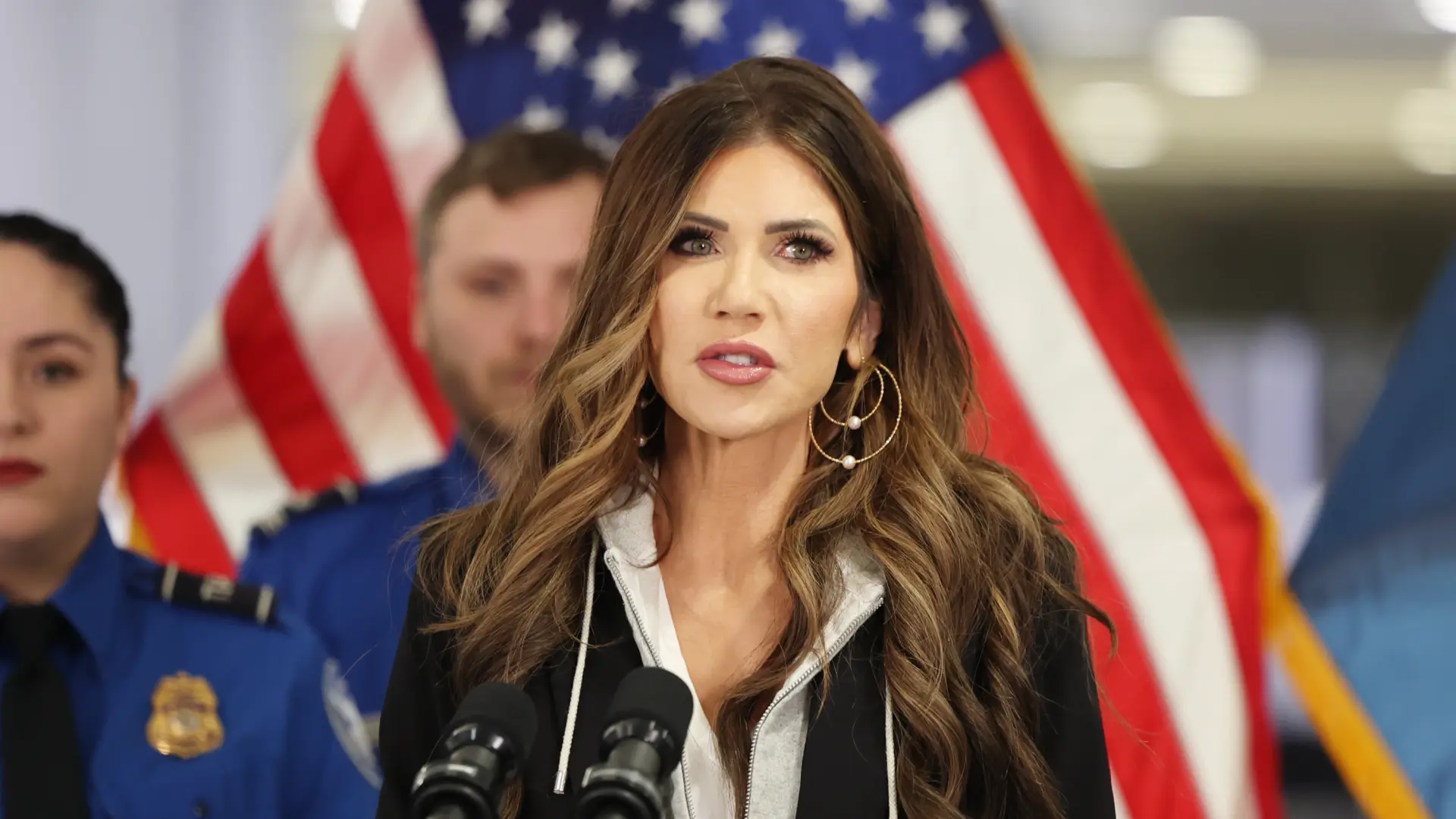
Calls for Travel Ban Intensify Following National Guard Shooting
WASHINGTON – In the wake of a tragic shooting that claimed the life of a National Guard member in Washington D.C., calls for stricter immigration policies and even a complete travel ban are escalating within the Trump administration. Secretary of Homeland Security Kristi Noem publicly recommended a total prohibition of travel from nations she labeled as sources of “foreign invaders,” igniting a firestorm of debate and raising concerns about the potential ramifications for international relations and humanitarian obligations.
The shooting, perpetrated by an Afghan immigrant last week, has been seized upon by hardliners advocating for a more restrictive approach to immigration. The incident prompted former President Donald Trump to immediately freeze asylum applications and halt processing for Afghan citizens, including those who previously assisted U.S. forces. He has also threatened to permanently block immigration from “countries of the Third World,” though he has yet to specify which nations would be targeted.
A History of Restrictions: Trump’s Previous Travel Bans
This isn’t the first time the Trump administration has attempted to implement sweeping travel restrictions. In June 2017, a controversial travel ban was enacted, initially targeting citizens from seven Muslim-majority countries: Iran, Iraq, Libya, Somalia, Sudan, Syria, and Yemen. After facing numerous legal challenges, the ban was revised several times, eventually encompassing citizens of Afghanistan, Burundi, Chad, Congo, Eritrea, Haiti, Iraq, Libya, Myanmar, North Korea, Somalia, South Sudan, Syria, Tanzania, Venezuela, and Yemen. The legality of these bans was consistently contested, with opponents arguing they were discriminatory and violated constitutional principles.
The current rhetoric echoes those earlier policies, but with a potentially broader scope. Noem’s statement, posted on X (formerly Twitter), was particularly inflammatory, describing those entering the country as “killers, leeches, and welfare addicts.” The language has drawn widespread condemnation from civil rights groups and immigration advocates, who accuse the administration of demonizing vulnerable populations and fueling xenophobia.
Acabo de reunirme con el presidente. Recomiendo la prohibición total de viajes a todos los países que han estado inundando nuestra nación de asesinos, sanguijuelas y adictos a las prestaciones sociales. Nuestros antepasados construyeron esta nación con sangre, sudor y un amor inquebrantable por la libertad, no para que invasores extranjeros masacren a nuestros héroes, agoten nuestros impuestos ganados con tanto esfuerzo o nos arrebaten los beneficios que les debemos a los estadounidenses. No los queremos. A ni uno de ellos.
— Kristi Noem (@KristiNoem) December 2, 2023
The Human Cost of Restrictive Policies
Beyond the legal and political debates, the human consequences of such policies are significant. The United Nations High Commissioner for Refugees (UNHCR) reports that there are currently over 114 million forcibly displaced people worldwide – a staggering number driven by conflict, persecution, and climate change. Closing borders and restricting access to asylum would leave countless individuals in desperate situations, potentially violating international law.
“These kinds of blanket restrictions are not only morally reprehensible, but they are also ineffective,” says Dr. Sarah Miller, a policy analyst at the Migration Policy Institute. “They don’t address the root causes of migration, and they often push people into more dangerous situations, forcing them to rely on smugglers and take increasingly risky routes.”
A Nation Built by Immigrants: Challenging the Narrative
Noem’s assertion that “our ancestors built this nation” is a common refrain among those advocating for stricter immigration controls. However, it conveniently overlooks the fundamental role that immigrants have played throughout American history. From the earliest European settlers to the waves of immigrants who arrived in the 19th and 20th centuries, newcomers have consistently contributed to the nation’s economic growth, cultural diversity, and social fabric.
According to data from the U.S. Census Bureau, nearly 14% of the U.S. population was born in another country. These immigrants represent a diverse range of backgrounds, skills, and experiences, and they contribute significantly to the American economy. In 2022, immigrants accounted for approximately 18% of the U.S. civilian labor force.
Looking Ahead: What’s Next for Immigration Policy?
The coming months are likely to see continued debate over immigration policy, with the Trump administration signaling its intention to pursue a more restrictive agenda. The legal challenges to any new travel bans are almost certain, and the outcome will likely depend on the composition of the courts. However, the political climate is increasingly polarized, and the potential for further escalation is high.
The situation underscores the urgent need for a comprehensive and humane approach to immigration reform – one that addresses the root causes of migration, provides pathways to legal status for undocumented immigrants, and upholds the principles of fairness and due process. Ignoring these challenges will only exacerbate the problem and further divide the nation.