US Seizes Venezuelan Oil Tanker: Military Action & Maduro’s Response
US Navy Seizes Oil Tanker Linked to Iran and Hezbollah, Escalating Venezuela Tensions
CARACAS, Venezuela – In a dramatic escalation of pressure against the Nicolás Maduro government, the US military seized a large oil tanker off the coast of Venezuela on Wednesday, sparking condemnation from Caracas and raising concerns about further disruption to the already fragile Venezuelan oil industry. The operation, confirmed by President Donald Trump, marks a significant departure in Washington’s strategy towards Venezuela, which has long focused on economic sanctions and diplomatic isolation.
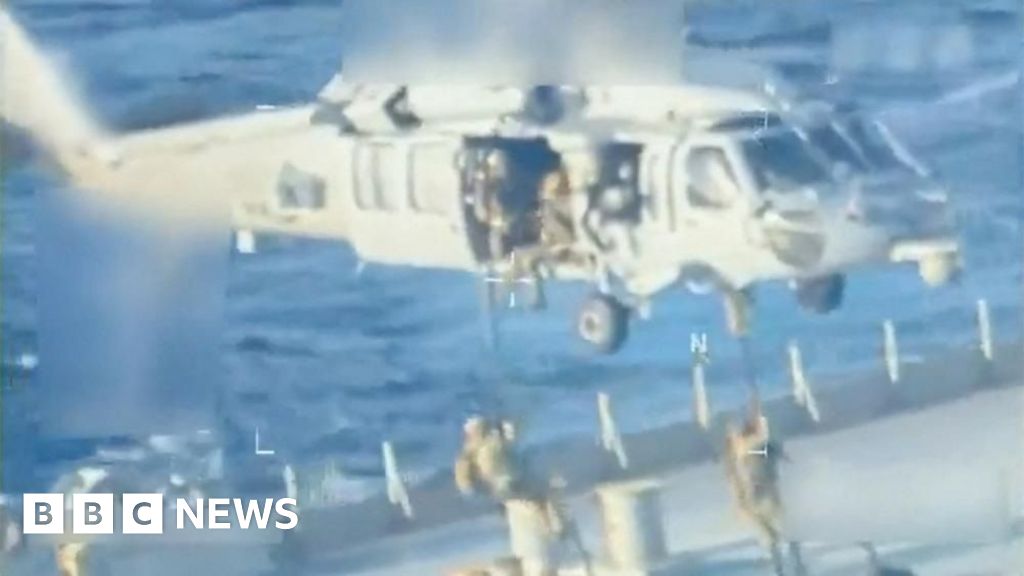
“We have just seized a tanker on the coast of Venezuela – a large tanker, very large, the largest one ever seized actually,” Trump told reporters at the White House. Footage released by Attorney General Pam Bondi showed a coordinated raid involving helicopters descending onto the deck of the vessel, with armed troops securing the ship. The operation involved personnel from the Federal Bureau of Investigation, Department of Defense, Department of Homeland Security, and the US Coast Guard, demonstrating a whole-of-government approach.
A History of Sanctions and Alleged Illicit Activity
The seized tanker, identified by maritime risk company Vanguard Tech as the Skipper, has been under US sanctions since 2022. US authorities allege the vessel was involved in a network smuggling oil from Venezuela and Iran, generating revenue for foreign terrorist organizations, specifically Hezbollah and the Islamic Revolutionary Guard Corps-Quds Force. The US Treasury Department claims the tanker facilitated illicit oil shipments, circumventing sanctions designed to cripple Maduro’s regime.
Venezuela, however, vehemently denies these accusations. Interior Minister Diosdado Cabello denounced the seizure as “international piracy,” echoing the government’s long-held belief that the US is attempting to steal Venezuela’s vast oil resources. Venezuela possesses the world’s largest proven oil reserves, estimated at 303.8 billion barrels as of January 2024, yet its production has plummeted in recent years due to mismanagement, underinvestment, and US sanctions.
The incident comes amid a heightened US military presence in the Caribbean Sea. The USS Gerald Ford, the world’s largest aircraft carrier, was dispatched to the region last month, fueling speculation about potential further intervention. According to BBC Verify, the build-up involves thousands of troops and has raised anxieties about a possible military confrontation.
Maduro’s Defiant Response and Shifting Global Oil Markets
Despite the escalating tensions, President Maduro adopted a surprisingly lighthearted tone in a public address, responding to potential US aggression with a rendition of the 1988 hit song “Don’t Worry, Be Happy.” The gesture, while seemingly incongruous, underscores Maduro’s attempt to project an image of calm and resilience in the face of mounting pressure.
The seizure of the tanker has already had a ripple effect on global oil markets. Brent crude prices inched higher on Wednesday as news of the operation stoked short-term supply concerns. Analysts warn that the move could further disrupt Venezuela’s oil exports, potentially impacting global supply chains. The World Bank estimates that oil and gas account for approximately 80% of Venezuela’s export earnings, highlighting the critical importance of the sector to the country’s economy.
Adding another layer of complexity, authorities in Guyana have stated that the Skipper was “falsely flying the Guyana Flag” and is not registered in their country. This raises questions about the tanker’s attempts to conceal its identity and potentially evade detection.
The Broader Context: US Policy and Regional Security
The Trump administration has long accused Venezuela of being a state sponsor of terrorism and a major conduit for narcotics trafficking into the United States. The US has intensified its efforts to isolate Maduro, imposing crippling sanctions and backing opposition leader Juan Guaidó, who claimed the presidency in 2019. However, Guaidó’s influence has waned in recent years, and the US policy towards Venezuela remains a subject of debate.
This incident is not isolated. Since September, the US has conducted at least 22 strikes on boats in the region that the Trump administration says are smuggling drugs, resulting in at least 80 deaths. This aggressive approach has drawn criticism from human rights organizations and raised concerns about collateral damage.
The seizure of the oil tanker represents a significant escalation in the US-Venezuela standoff. While the Trump administration has indicated it is considering further actions, the long-term consequences of this move remain uncertain. The situation underscores the complex geopolitical dynamics in the Caribbean and the potential for further instability in the region. The incident also highlights the ongoing struggle for control over Venezuela’s vast oil reserves and the implications for global energy markets.
US forces have seized an oil tanker off the coast of Venezuela, President Donald Trump said, marking a sharp escalation in Washington’s pressure campaign against Nicolás Maduro’s government. https://t.co/q9q9q9q9q9
— worldys.news (@worldysnews)
As the situation unfolds, the international community will be closely watching to see how both sides respond and whether this latest escalation will lead to further conflict or a renewed push for diplomatic resolution.