US Sanctions Maduro’s Nephews & Venezuela Oil Tankers
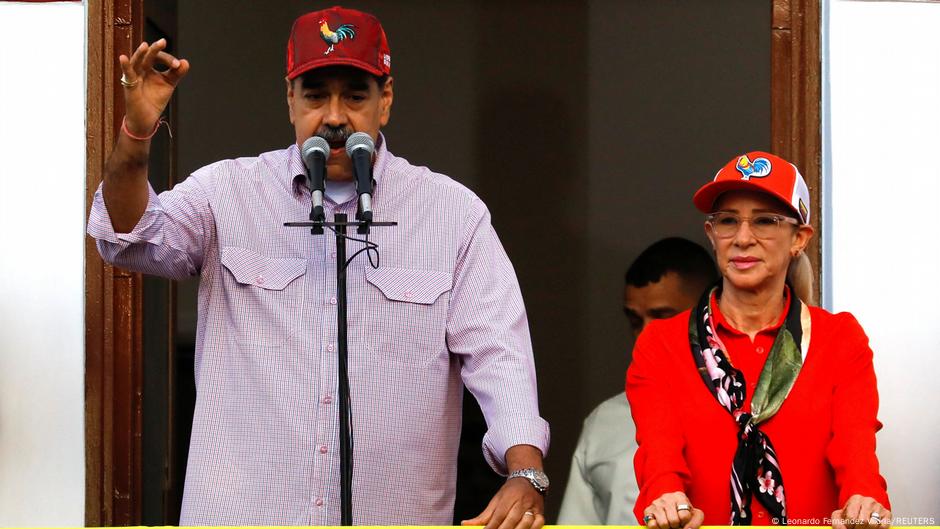
U.S. Tightens Venezuela Sanctions, Targeting Maduro Family and Oil Network
WASHINGTON – The United States announced a new round of sanctions Thursday targeting three nephews of Venezuela’s First Lady Cilia Flores, alongside six oil tankers and shipping companies allegedly linked to their operations. The move comes amid heightened tensions with the Venezuelan government and a significant U.S. military deployment in the Caribbean.
The sanctions represent a renewed effort by the U.S. to disrupt Venezuela’s oil trade, a critical source of revenue for the Maduro regime. The Treasury Department alleges the targeted individuals and entities have been instrumental in circumventing existing sanctions and facilitating the illicit flow of Venezuelan oil to international markets.
“These actions are aimed at disrupting the Maduro regime’s ability to generate revenue and continue its repression of the Venezuelan people,” a senior administration official stated, speaking on background. “We will continue to hold accountable those who enable the regime’s destructive behavior.”
From Drug Trafficking to Oil: A History of Controversy
The sanctioned nephews – Franqui Flores, Efraín Campo Flores, and Carlos Erik Malpica Flores – gained notoriety in 2015 as the “narcosobrinos” (drug nephews) after their arrest in Haiti following a DEA sting operation. They were convicted in 2016 of attempting to smuggle a large quantity of cocaine into the United States and sentenced to 18 years in prison.
However, in a controversial move in 2022, the Biden administration released the two convicted nephews, Franqui Flores and Efraín Campo Flores, in a prisoner swap that secured the release of seven Americans detained in Venezuela. The decision drew criticism from some lawmakers who argued it legitimized the Maduro regime and undermined U.S. law enforcement efforts.
The renewed sanctions signal a shift back towards a harder line on Venezuela, particularly concerning its oil sector. According to data from the U.S. Energy Information Administration, Venezuela holds the world’s largest proven oil reserves, estimated at 303.8 billion barrels as of January 2023. However, years of mismanagement and sanctions have crippled the country’s oil production, contributing to a severe economic crisis.
Tankers Under Scrutiny
Four of the sanctioned tankers – the H. Constance (built in 2002) and the Lattafa (built in 2003) among them – fly the flag of Panama, while the remaining two are registered in the Cook Islands and Hong Kong. These vessels have reportedly been used to load crude oil in Venezuela, according to internal documents from the state-owned oil company PDVSA.
Just Wednesday, President Donald Trump announced the seizure of a sanctioned oil tanker off the coast of Venezuela, stating the vessel and its cargo would be brought to a U.S. port and the oil confiscated. This action underscores the U.S.’s determination to enforce sanctions and disrupt Venezuela’s oil trade.
The U.S. government maintains that these sanctions are not intended to harm the Venezuelan people, but rather to pressure the Maduro regime to restore democracy and respect human rights. However, critics argue that broad sanctions often exacerbate the country’s economic woes and disproportionately impact the most vulnerable populations.
The situation remains fluid, with the potential for further escalation as the U.S. continues to pursue a strategy of maximum pressure against the Maduro regime.
Reuters and AFP contributed to this report.