US G20 Presidency: Planning Begins Amid South Africa Dispute | Reuters
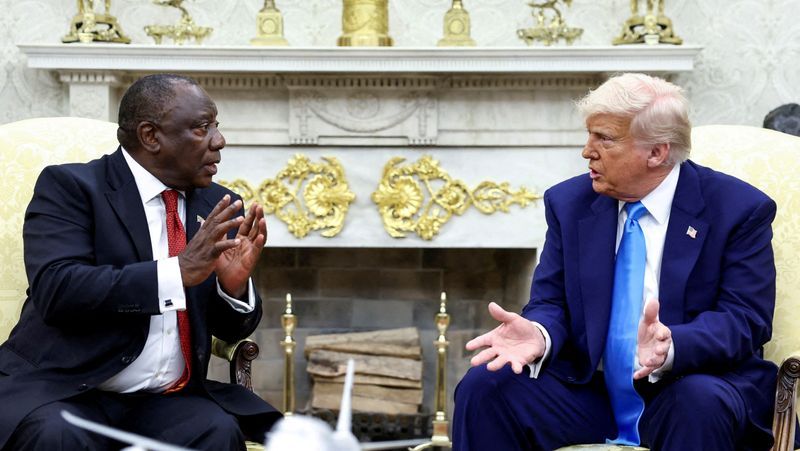
U.S. Launches G20 Presidency Amidst Diplomatic Rift with South Africa
WASHINGTON – The United States has formally begun its year-long presidency of the Group of 20 (G20) major economies, convening an initial meeting of deputy sherpas on Monday. However, the launch is overshadowed by a deepening diplomatic fissure with South Africa, this year’s host, which has been conspicuously excluded from early planning sessions. The move signals a clear departure in approach and a willingness by the Trump administration to leverage the G20 platform for its own priorities, even at the cost of established diplomatic norms.
A Presidency Defined by Disagreement
The decision to exclude South Africa from the initial preparatory meeting, confirmed by sources speaking on condition of anonymity, underscores the escalating tensions between Washington and Pretoria. The core of the dispute lies in President Donald Trump’s repeated and unsubstantiated allegations that South Africa’s government, led by its Black majority, is persecuting its white minority population. These claims have been vehemently rejected by South Africa, which views them as racially charged and deeply offensive.
This isn’t simply a matter of rhetoric. The U.S. notably skipped this year’s G20 summit hosted in Pretoria, and subsequently accused South Africa of “weaponizing” its leadership role within the group. Such accusations are rarely leveled between major economic powers and highlight the unusual nature of this diplomatic breakdown. The U.S. government has publicly stated its intention to enact “much-needed reforms” during its presidency, aiming to refocus the G20 on “driving economic growth and prosperity.” But critics suggest this rhetoric masks a more assertive, and potentially disruptive, agenda.
Miami Summit and a Shift in Focus
The location of next year’s G20 leaders’ summit – a golf resort in Miami owned by President Trump – is itself a departure from tradition. Previous summits have typically been held in major capital cities, offering a degree of neutrality and accessibility. Choosing a privately-owned property raises questions about potential conflicts of interest and the commercialization of a traditionally diplomatic forum.
The U.S. administration’s stated focus on economic growth is not inherently controversial. However, the manner in which it intends to pursue this goal remains unclear. The G20, representing approximately 80% of global GDP, has historically served as a crucial platform for international cooperation on a wide range of issues, including financial stability, climate change, and global health. A narrowing of focus to purely economic concerns could undermine the G20’s broader mandate and its ability to address interconnected global challenges.
Geopolitical Implications and Global Concerns
The exclusion of South Africa carries significant geopolitical weight. South Africa is not only Africa’s largest economy but also a key player in regional stability and a vocal advocate for the interests of the African Union. Its marginalization within the G20 could embolden other nations to challenge the established international order and potentially weaken the G20’s influence on the African continent.
This situation also comes at a sensitive time for global economic cooperation. The world is grappling with a confluence of challenges, including slowing growth in major economies, rising debt levels, and increasing geopolitical instability. According to the World Bank, global growth is projected to slow to 2.4% in 2024, a significant deceleration from the 3.5% recorded in 2022. Effective multilateral cooperation, as facilitated by forums like the G20, is more critical than ever to navigate these challenges.
Beyond Economics: A Test of Multilateralism
The U.S. presidency of the G20 presents a critical test for multilateralism. The Trump administration’s “America First” approach has often been at odds with the principles of international cooperation. Whether the U.S. can effectively lead the G20 while simultaneously alienating key partners remains to be seen. The coming months will reveal whether this presidency will be a catalyst for renewed global cooperation or a further erosion of the international order. The diplomatic fallout with South Africa is a stark warning sign, suggesting a potentially turbulent year ahead for the G20 and the broader landscape of global governance.
The situation also raises questions about the future of U.S.-Africa relations. The Trump administration has often been perceived as having limited interest in the African continent, and this latest episode could further damage trust and undermine long-standing partnerships. A constructive and mutually respectful relationship with Africa is essential for addressing shared challenges, such as poverty, climate change, and security threats.