Ukraine War: Power Outages Hit Regions; Russia Claims Foiled NATO Plot
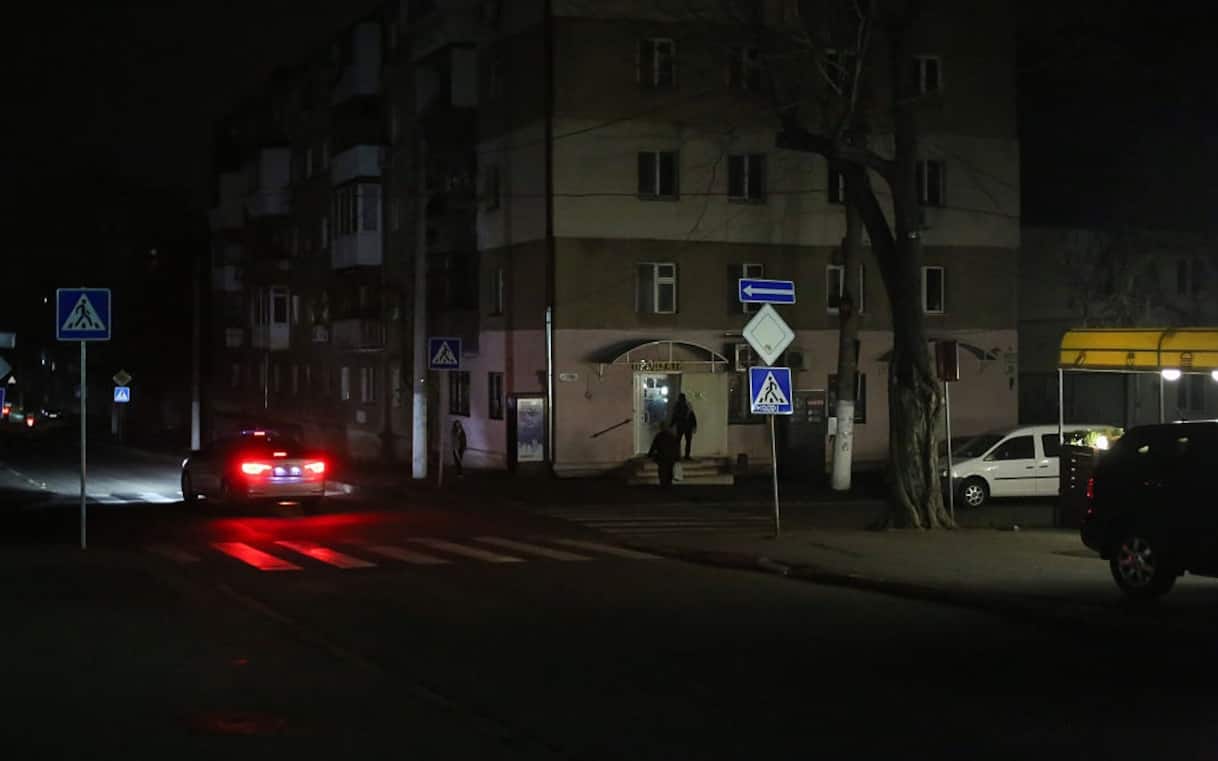
Ukraine Endures Widespread Power Cuts as Frontline Intensifies Amid Spiraling Accusations
KYIV, Ukraine – Russia has intensified its assault on Ukraine’s energy infrastructure, leaving hundreds of thousands without power across three crucial regions, even as Kyiv reported a significant Russian ground incursion in the Donetsk area. The escalating conflict on the ground and in the air is now further complicated by highly contentious claims from Moscow regarding an alleged plot to hijack a Russian fighter jet.
Energy Infrastructure Targeted Amid Drone Barrages
Early Tuesday, residents in the Zaporizhia, Dnipropetrovsk, and Odesa regions awoke to widespread electricity outages, a direct consequence of recent Russian raids on critical energy facilities. Ukraine’s national energy operator, Ukrenergo, confirmed the disruptions, stating that emergency crews were working tirelessly to restore power and warning of potential scheduled interruptions throughout the day.
The latest blackouts follow a massive Russian drone attack on Odesa, which significantly damaged energy and transport infrastructure, injuring at least one person. Local authorities reported that essential services in the region are currently operating on generators, underscoring the severity of the damage.
In apparent retaliation, Ukraine’s defense forces have struck deep inside Russian-held territory and beyond. The Ukrainian General Staff announced successful attacks on an oil refinery in Saratov, Russia, and a vital marine oil terminal in Feodosia, Crimea. The Saratov plant is a key producer of over 20 types of petroleum products, reportedly supplying the Russian military, while the Feodosia terminal serves as a crucial hub for fuel and lubricant deliveries by sea.
Moscow Alleges Elaborate Hijack Plot, Claims Retaliation
In a dramatic development, Russia’s Federal Security Service (FSB) claimed it had thwarted a sophisticated military operation by Ukraine, allegedly supervised by the United Kingdom. According to the FSB, the plot aimed to recruit Russian pilots with an offer of $3 million to hijack a MiG-31 fighter jet, equipped with a Kinzhal hypersonic missile.
The FSB further alleged that the Ukrainian plan intended for the hijacked aircraft, carrying the advanced missile, to be sent to Romania’s Constanta, home to NATO’s largest air base in southeastern Europe. There, the jet would ostensibly be shot down by air defenses in what Moscow described as a “large-scale provocation” or “false flag” attack. These claims, reported by Russia’s Tass news agency, have not been independently verified by international observers or confirmed by Ukraine or the UK.
Following these accusations, Moscow claimed its aerospace forces launched “retaliatory” attacks using Kinzhal hypersonic missiles. The FSB stated these strikes targeted a primary electronic intelligence center of Ukraine’s main intelligence directorate in Brovary, Kyiv region, and the Starokostiantyniv airfield in the Khmelnytsky region, where F-16 fighter jets are reportedly stationed.
Fog Aids Russian Incursion in Donetsk
On the battlefield, Ukrainian forces reported a concerning Russian advance in the Donetsk region. According to Ukraine’s 7th Assault Airborne Corps, exploiting adverse weather conditions, specifically dense fog, approximately 300 Russian invaders managed to penetrate Pokrovsk. The Ukrainian command noted that the fog significantly hampered their aerial reconnaissance capabilities and their ability to strike targets in open terrain, allowing Russian forces to intensify efforts to infiltrate the city using light vehicles.
Germany Boosts Aid as G7 Discusses Ukraine
Amid the intense fighting and heightened rhetoric, international allies continue to bolster support for Kyiv. Germany announced a significant increase in its aid to Ukraine for 2026, boosting funds from an anticipated eight billion euros to 11.5 billion euros. Citing government sources, German media reported that the additional funds would be allocated for artillery, drones, armored vehicles, and two Patriot anti-aircraft missile systems. The 2026 financial law is currently under parliamentary review, with a budget committee meeting slated for Thursday.
Concurrently, G7 Foreign Ministers convened in Canada, with the conflict in Ukraine topping the agenda. The meeting, held near Niagara Falls, aimed to demonstrate a united front against Russia’s ongoing aggression. Representatives from South Africa, Australia, Brazil, India, Mexico, South Korea, and Saudi Arabia were also invited to participate, reflecting a broader effort to foster multilateral dialogue during a “volatile and complex” period, as stated by Canadian Foreign Minister Anita Anand. While a joint communiqué is anticipated, concrete breakthroughs on Ukraine peace negotiations were not immediately promised, reflecting the deep impasse in diplomatic efforts.
The latest developments underscore a multi-faceted conflict marked by critical infrastructure attacks, intensifying ground operations, and a robust information war, all while international efforts continue to seek stability and support for Ukraine.