Ukraine War: Kremlin Awaits Outcome of US-Ukraine Peace Talks in Florida
Kremlin Awaits Outcome of Florida Talks as Ukraine Prepares Revised Peace Plan
MOSCOW – The Kremlin is in a holding pattern, awaiting details from recent U.S.-Ukraine talks held in Florida, while Ukrainian President Volodymyr Zelenskyy signaled a revised peace proposal is forthcoming. The uncertainty underscores the delicate and complex nature of ongoing efforts to find a diplomatic resolution to the four-year-long conflict, a war that has dramatically reshaped the geopolitical landscape of Eastern Europe.
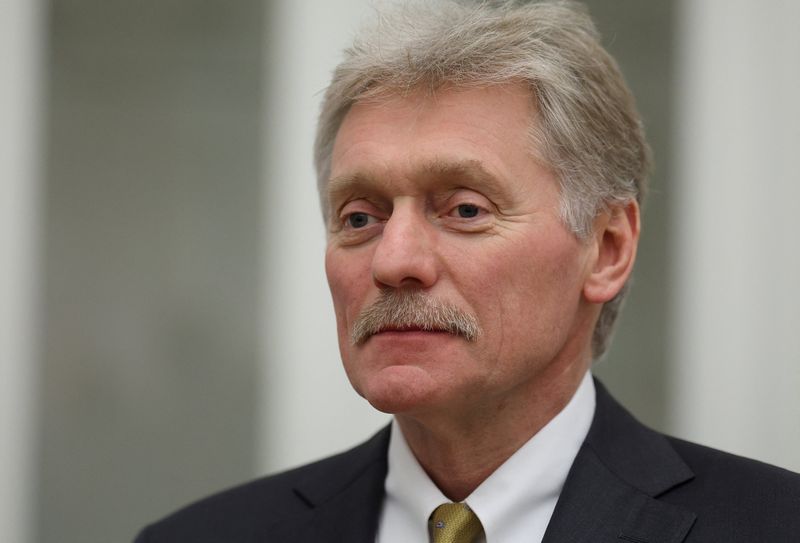
Kremlin spokesman Dmitry Peskov stated Monday that Moscow has received no official word on the outcome of the Florida discussions. “For the moment, we don’t know the outcome of talks between the Ukrainians and the Americans in Florida,” Peskov told state television, as reported by RIA news agency. His comments highlight Russia’s position as an observer, reliant on information filtered through Washington and Kyiv, and suggest a cautious approach to any potential shifts in the negotiation dynamic.
A Backchannel Diplomacy Push
The Florida meetings, which concluded Saturday, involved U.S. and Ukrainian officials and followed a prior visit to Moscow by President Donald Trump’s envoy, Steve Witkoff, and his son-in-law, Jared Kushner. These initial discussions with President Vladimir Putin reportedly centered on a U.S.-backed plan to settle the war. The involvement of figures closely associated with the former U.S. administration raises questions about the official status of the initiative and its alignment with current Biden administration policy.
While details of the proposed plan remain largely undisclosed, the very fact that backchannel negotiations are occurring signals a willingness – however tentative – to explore alternatives to the current stalemate. The war in Ukraine has become a protracted conflict, marked by intense fighting, significant casualties, and a growing humanitarian crisis. According to the UN Refugee Agency (UNHCR), as of November 2023, there are over 6.2 million Ukrainian refugees recorded across Europe – representing the largest refugee crisis in Europe since World War II. This statistic underscores the immense human cost of the conflict and the urgent need for a peaceful resolution.
Zelenskyy’s London Meetings and a Revised Approach
President Zelenskyy described the Florida talks as “constructive, although not easy,” a carefully worded assessment that suggests progress was made but significant hurdles remain. He further announced that Ukraine will share a revised peace plan with the U.S. on Tuesday, following discussions in London with the leaders of France, Germany, and Britain. This suggests a coordinated effort to present a unified front and refine Ukraine’s negotiating position.
The London meetings are particularly significant, as they involve key European allies who have provided substantial military and financial support to Ukraine. Securing their consensus on a revised peace plan is crucial for bolstering Ukraine’s leverage in any future negotiations with Russia. The involvement of France and Germany, both historically significant in European diplomacy, adds weight to the initiative.
The Shifting Sands of Geopolitics
The timing of these diplomatic efforts is noteworthy. With the war entering its fifth year, and the global focus increasingly drawn to other crises – including the conflict in the Middle East – there is a growing sense of urgency to find a resolution in Ukraine. Furthermore, the potential for a shift in U.S. foreign policy following the 2024 presidential election adds another layer of complexity. A return to the White House by Donald Trump could dramatically alter the U.S. approach to the conflict, potentially weakening support for Ukraine and emboldening Russia.
The current situation is a delicate balancing act. Ukraine is seeking to maintain its territorial integrity and secure long-term security guarantees, while Russia is determined to protect its perceived interests and prevent further encroachment by NATO. The U.S., meanwhile, is attempting to navigate a complex geopolitical landscape, balancing its commitment to Ukraine with the need to avoid a direct confrontation with Russia. The success of these diplomatic efforts will depend on the willingness of all parties to compromise and find common ground – a task that appears increasingly challenging in the current climate of mistrust and animosity.
The Kremlin’s silence, while understandable, is also a signal. Moscow is likely assessing the revised peace plan and gauging the level of international support behind it. The next few days will be critical in determining whether these diplomatic initiatives can pave the way for a genuine breakthrough, or whether the war in Ukraine is destined to continue for the foreseeable future. The stakes are incredibly high, not just for Ukraine and Russia, but for the stability of the entire European continent and the future of the international order.