Trump’s Ukraine Peace Plan: What’s in the 28-Point Proposal?
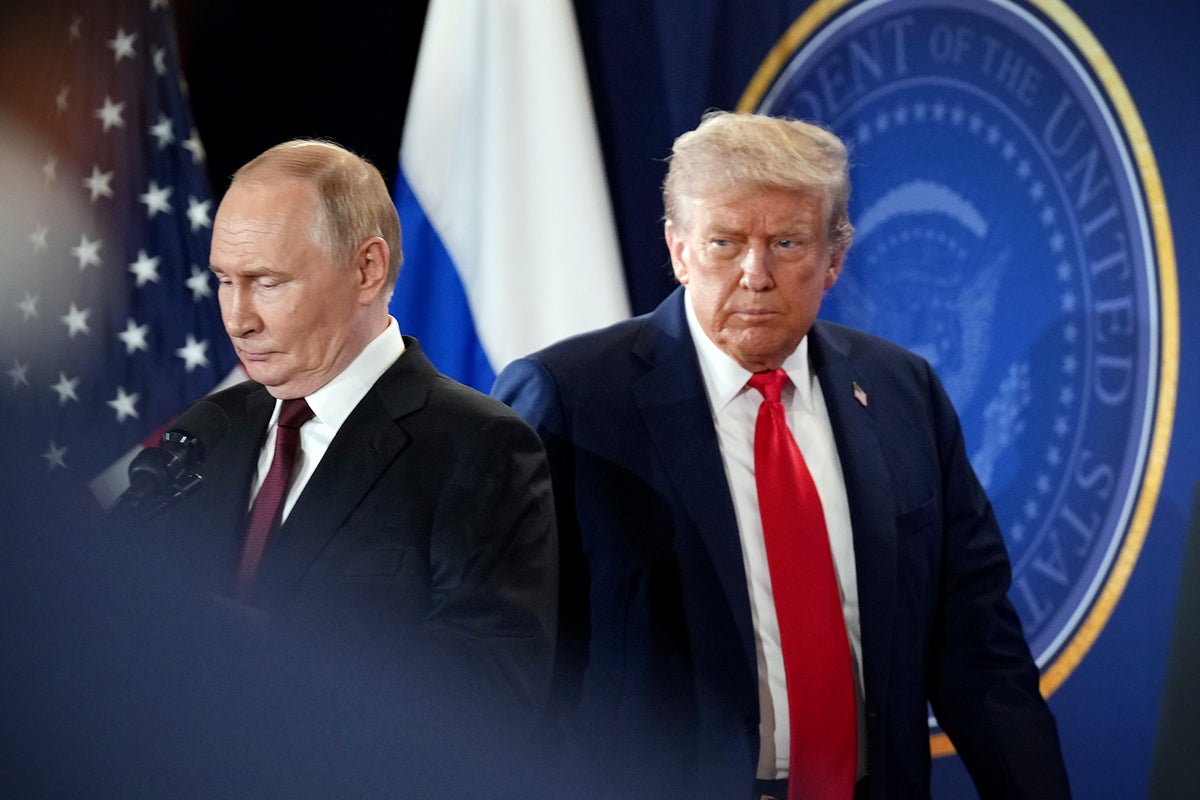
Trump Plan Seeks to End Ukraine War With Land Concessions, U.S. Compensation
A proposal drafted during the Trump administration to resolve the ongoing conflict in Ukraine would require Kyiv to cede territory to Russia, while simultaneously demanding financial compensation from the United States for its role in brokering and upholding any resulting peace. The 28-point plan, reportedly the result of discussions between Washington and Moscow, offers Ukraine security guarantees backed by the U.S., but at a steep cost.
A Framework Leaning Towards Moscow
Details of the plan, which Ukrainian President Volodymyr Zelenskyy has indicated a willingness to discuss with the U.S. in late November, reveal a framework heavily tilted in Russia’s favor. The proposal effectively dismantles Ukraine’s aspirations for closer ties with the West, demanding it abandon any hope of joining NATO and preventing European allies from stationing troops within its borders – a move that would undercut British-led initiatives for international peacekeeping forces.
The plan’s core tenet revolves around territorial adjustments. Sources familiar with the proposal suggest Russia would be granted de facto recognition of its control over Crimea, Luhansk, and Donetsk. Furthermore, the strategically important regions of Kherson and Zaporizhzhia would be frozen along the current line of contact, effectively acknowledging Russian influence in those areas. In exchange, Russia would relinquish control over other territories it currently occupies.
The Price of Security: A U.S.-Funded Guarantee
Perhaps the most controversial aspect of the plan is the financial component. The U.S. would not only guarantee Ukraine’s security but would also require compensation for doing so. The proposal outlines a complex system of financial penalties and rewards tied to compliance. Should Ukraine initiate hostilities against Russia, the security guarantee would be immediately revoked. Similarly, any unprovoked missile attack on Moscow or St. Petersburg would invalidate the agreement.
The plan also addresses the economic fallout of the war. It proposes the creation of a Ukraine Development Fund, fueled by $100 billion in frozen Russian assets – with the U.S. retaining 50% of the profits. An additional $100 billion from European sources would supplement this fund, with frozen European assets subsequently unfrozen. This arrangement aims to incentivize reconstruction and modernization, focusing on high-growth sectors like technology and artificial intelligence. The plan also envisions joint U.S.-Russian ventures in energy, infrastructure, and resource extraction, including projects in the Arctic.
A Return to the Global Stage for Russia?
Beyond territorial and financial considerations, the Trump plan signals a potential thawing of relations with Russia on the international stage. It proposes Russia’s reintegration into the G8 – the group of leading industrialized nations from which it was suspended in 2014 following the annexation of Crimea. Furthermore, the plan calls for the lifting of sanctions in a phased manner, contingent on Russia’s adherence to the agreement.
The proposal also touches upon sensitive issues like the Zaporizhzhia Nuclear Power Plant, suggesting joint supervision by the IAEA and equal distribution of the electricity generated. It emphasizes the need for educational programs promoting cultural understanding and tolerance, and explicitly condemns “Nazi ideology and activities” – a point likely aimed at addressing Russian narratives used to justify the invasion.
The Human Cost and Global Implications
The war in Ukraine has already created a humanitarian crisis of immense proportions. According to the UNHCR, as of November 22, 2023, there are over 6.2 million Ukrainian refugees recorded across Europe – representing the largest refugee crisis in Europe since World War II. This statistic underscores the urgent need for a peaceful resolution, but also highlights the profound human cost of any compromise that involves territorial concessions.
The implications of this plan extend far beyond Ukraine and Russia. A perceived weakening of Western resolve in supporting Ukraine could embolden other authoritarian regimes and destabilize the international order. The plan’s emphasis on bilateral agreements and the sidelining of multilateral institutions like NATO raises concerns about the future of transatlantic security cooperation. Whether this proposal represents a genuine path to peace, or a strategic maneuver designed to serve specific geopolitical interests, remains to be seen. The coming weeks, and the discussions between Zelenskyy and U.S. officials, will be crucial in determining the fate of Ukraine and the future of European security.