Trump’s Strategic Move: US Gains Dominican Republic Base to Fight Drug Trafficking & Pressure Maduro
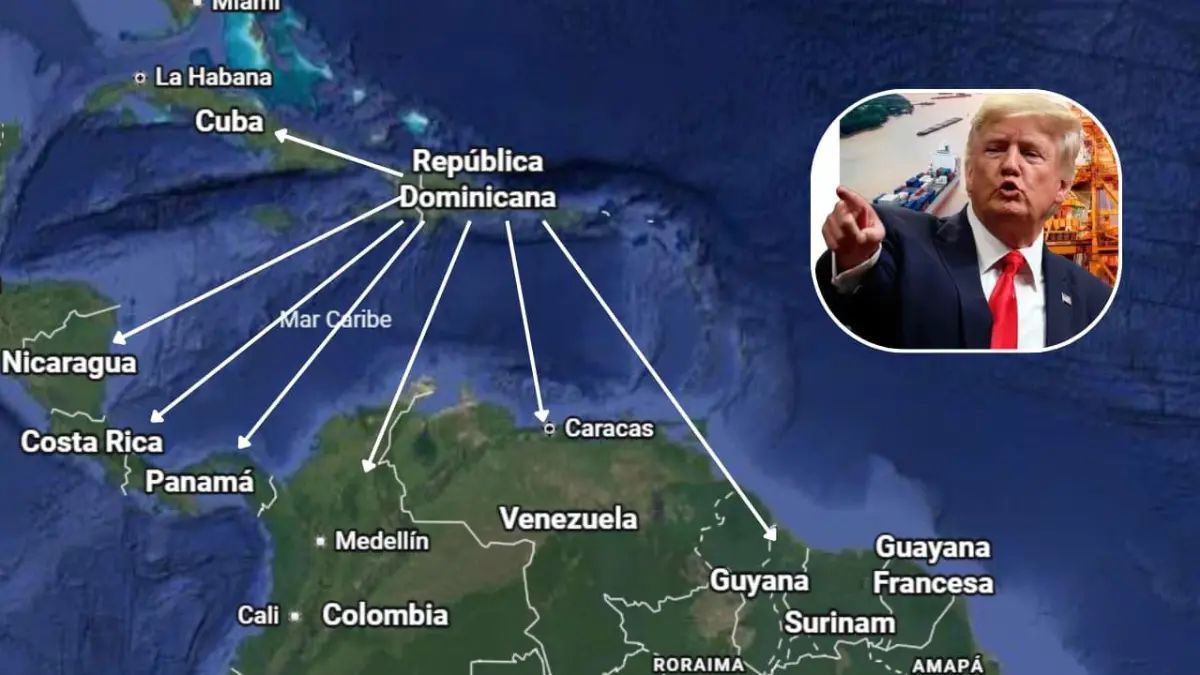
U.S. Gains Strategic Foothold in Caribbean as Pressure Mounts on Venezuela
SANTO DOMINGO, Dominican Republic – The Dominican Republic has granted the United States temporary access to its air bases, a move that significantly bolsters Washington’s ability to counter drug trafficking in the Caribbean and increases pressure on the Venezuelan government, which the U.S. accuses of being a major player in the illicit drug trade.
The agreement, announced during a visit by U.S. Defense Secretary Pete Hegseth to Santo Domingo, allows the U.S. to utilize facilities at the San Isidro Air Base and Las Américas International Airport for logistical support, including refueling and the staging of personnel and equipment. President Luis Abinader confirmed the authorization, characterizing it as a time-limited measure to combat narcolanchas originating in South America.
“We have authorized the United States, for a limited time, to use restricted areas in the San Isidro Air Base and Las Américas International Airport for logistical operations of aircraft, including refueling and the transport of equipment and personnel,” Abinader stated during a press conference.
The move comes amid escalating tensions with Venezuela and the recent designation of the “Cartel de los Soles” – a group allegedly linked to high-ranking Venezuelan officials – as a terrorist organization by the U.S. This designation empowers the U.S. to freeze assets, investigate individuals connected to the cartel, and lobby other nations to do the same.
A Strategic Chess Move
Analysts say the Dominican Republic’s cooperation provides the U.S. with a crucial strategic advantage. The island nation’s location, approximately 850-900 kilometers northeast of Venezuela’s Paraguaná Peninsula – home to a major oil refining complex – offers a direct projection of power into the Caribbean, with reach extending towards Central America, Cuba, Panama, Colombia, Venezuela, and even the Guyanas.
This is particularly significant given operational constraints in the Pacific Ocean, stemming from the policies of Colombia’s government under President Gustavo Petro. The Caribbean route has become increasingly vital for drug trafficking, prompting the U.S. to seek more robust interdiction capabilities.
“This is a game changer,” said a former U.S. counter-narcotics official, speaking on background. “It gives us a much more effective platform to disrupt the flow of drugs and respond to any escalation in the region.”
Increased U.S. Military Presence
Evidence of an increased U.S. military presence in the region is already emerging. Flightradar24, a real-time flight tracking service, detected the flight of B-52, F/A-18, and E-2 aircraft from Minot Air Force Base in the U.S., crossing the Gulf of Mexico and activating their transponders near Aruba and Curaçao. Their trajectory suggests a positioning maneuver opposite Paraguaná, Venezuela.
Since September, the U.S. has reportedly interdicted approximately twenty suspected drug smuggling vessels, resulting in the deaths of around 83 individuals. Hegseth emphasized the seriousness of the U.S. commitment to the mission.
“I want those who observe the destruction of narco-terrorist vessels to understand that we take this mission very seriously,” Hegseth said. “Totally serious.”
He added that the U.S. possesses “the best intelligence, the best lawyers, and the best process” to understand the networks involved, tracing the origin, destination, and intent of drug shipments.
Looking Ahead
The U.S. is signaling a willingness to escalate its approach, with Hegseth stating Washington is prepared to “go on the offensive” and “change the dynamics of the entire region.” The administration of former President Donald Trump had previously indicated a willingness to use both diplomatic and forceful measures to address the situation in Venezuela, a stance that appears to be continuing under the current administration.
The situation remains fluid, and the long-term implications of the Dominican Republic’s decision are yet to be seen. However, it undeniably represents a significant shift in the regional balance of power and a clear indication of the U.S.’s determination to combat drug trafficking and exert influence in the Caribbean.
Frequently Asked Questions:
- Why does the U.S. want to operate from the Dominican Republic? It provides a key air and logistical control point to disrupt drug trafficking routes and apply pressure on Venezuela from the Caribbean.
- How long does the authorization last? The authorization is temporary, although the specific duration has not been publicly disclosed.
- Is this measure related to Venezuela and President Maduro? Yes. Washington alleges the Venezuelan government is involved in drug trafficking networks and has designated the Cartel de los Soles as a terrorist organization.