Trump Threatens $1B Lawsuit Against BBC Over Jan. 6 Edit
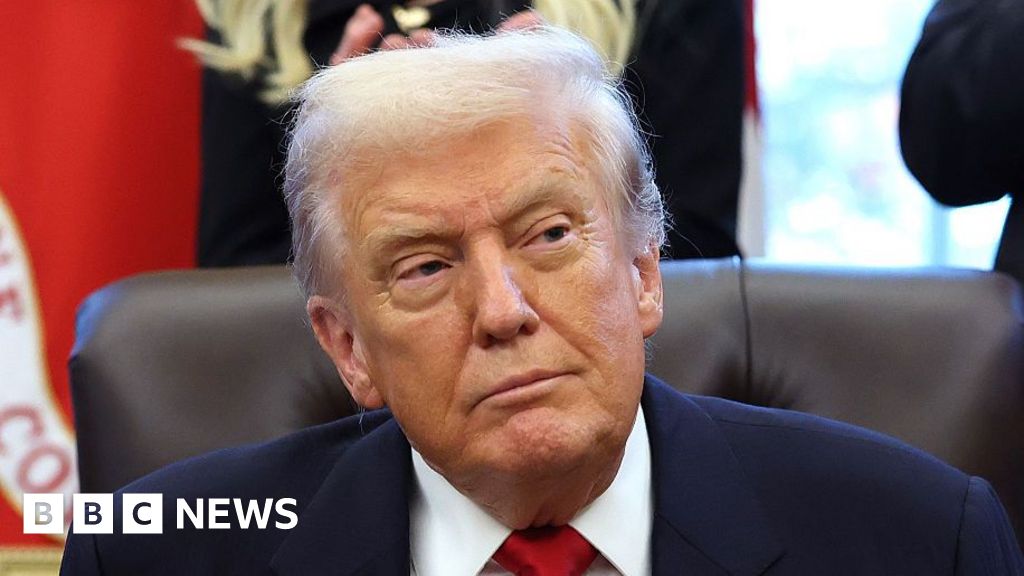
President Donald Trump has escalated his confrontation with the BBC, declaring he has an “obligation” to pursue a $1 billion lawsuit over how his January 6, 2021 speech was edited in a Panorama documentary. Speaking to Fox News, Trump characterized the editing as a deliberate act that “defrauded” viewers and transformed his remarks from calming to radical.
The conflict has triggered the most significant institutional crisis at the BBC in years, culminating in the resignation of Director General Tim Davie and Head of News Deborah Turness—two senior figures with decades of combined experience managing the broadcaster’s editorial standards.
How the Editing Changed Everything
The technical details matter here. Trump’s original statement read: “We’re going to walk down to the Capitol, and we’re going to cheer on our brave senators and congressmen and women.” Straightforward. Neutral. Designed, by his account, to encourage peaceful civic participation.
But when Panorama aired the documentary in October 2024—timing that proved particularly sensitive given the presidential election weeks away—producers spliced together two segments of the speech separated by more than 50 minutes. The edited version made it appear Trump said: “We’re going to walk down to the Capitol… and I’ll be there with you. And we fight. We fight like hell.”
The implications shifted dramatically. What emerged was a narrative suggesting Trump had encouraged violence during the Capitol riot, transforming context entirely through technical manipulation.
“What they did was rather incredible,” Trump said on Fox News, his tone oscillating between anger and something approaching disbelief. “They actually changed my January 6 speech, which was a beautiful speech, which was a very calming speech, and they made it sound radical.”
The Leaked Memo That Exposed Everything
The scandal remained largely buried until November 2025—over a year after broadcast—when the Daily Telegraph published a leaked internal memo from Michael Prescott, a former independent adviser to the BBC’s editorial standards committee. Prescott’s document detailed the editorial failings with precision, flagging not just the Trump speech but broader concerns about BBC coverage of the Israel-Hamas war, transgender issues, and allegations of institutional bias.
That memo became the match. Within days, institutional dominoes fell.
BBC Chair Samir Shah apologized for an “error of judgement”—corporate language that suggested editorial oversight rather than something more deliberate. But Trump’s legal team wasn’t mollified. By November 9, his lawyers dispatched a formal demand letter insisting on “a full and fair retraction” of the documentary, a public apology, and unspecified compensation. They set a deadline: 22:00 GMT Friday for a response, or face litigation.
Trump’s legal threats come as he has already settled disputes with CBS News and ABC News for undisclosed amounts since returning to the White House. The pattern suggests Trump’s legal team has weaponized media disputes as part of a broader strategy to reshape press coverage and accountability.
Institutional Damage and Questions of Liability
The BBC’s vulnerability in any potential U.S. lawsuit hinges on a critical procedural question: jurisdiction. If Trump files in Florida, his lawyers would need to establish that the Panorama documentary was available to American viewers. Currently, no evidence exists of broadcast distribution in the United States, a fact that could substantially complicate the legal calculus.
Yet the institutional damage has already crystallized regardless of courtroom outcomes.
Tim Davie, who held the director general position for five years, departed amid mounting pressure over what critics characterized as a pattern of institutional bias. During an all-staff meeting on Tuesday, Davie attempted to reframe the narrative, telling employees: “We have made some mistakes that have cost us, but we need to fight.” He positioned the scandal as externally imposed rather than internally generated, arguing that “this narrative will not just be given by our enemies, it’s our narrative.”
The subtext was unmistakable: the BBC faced coordinated assault from political opponents weaponizing editorial missteps.
Downing Street maintained studied distance. A prime minister’s spokesperson stated simply: “It is clearly not for the government to comment on any ongoing legal matters.” The Government Communications Service typically defends public institutions when confronted by external pressure, so the refusal to defend the BBC underscored the severity of the institutional breach.
Institutional Reckoning and Royal Charter Stakes
The timing compounds the crisis. The BBC’s Royal Charter—the foundational agreement governing its governance and funding mechanisms—expires at the end of 2027. Culture Secretary Lisa Nandy will oversee renegotiation, and she’s already signaled that renewal talks will demand “a genuinely accountable organisation” with renewed mission clarity.
“There is a fundamental difference between raising serious concerns over editorial failings and members of this House launching a sustained attack on the institution itself,” Nandy told Parliament Tuesday, attempting to distinguish between legitimate oversight and political weaponization. “The BBC is not just a broadcaster, it is a national institution that belongs to us all.”
The statement contained implicit warning: protect the institution, but acknowledge its failures.
Globally, media trust metrics remain fragile. According to the Reuters Institute, only 41% of respondents across developed democracies express trust in news media—a persistent decline over a decade reflecting accumulating credibility deficits. The BBC’s documentary editing scandal provides additional ammunition to those arguing that institutional journalism has become unreliable.
The culture select committee has scheduled hearings with senior BBC figures including new Chair Shah, board members Sir Robbie Gibb and Caroline Thomson, and Prescott himself—the whistleblower whose memo initiated the institutional reckoning.
Collateral Damage and Broader Implications
The fallout extends beyond BBC corridors. Reform UK, a rising British political party that had granted the BBC “unprecedented access” for a documentary about the party’s rise, abruptly terminated cooperation. An internal party email obtained by BBC News stated that the production team should withdraw consent for any footage to be used—a tacit statement that association with the damaged broadcaster had become politically toxic.
Trump’s framing of the lawsuit as an obligation rather than a choice carries particular weight. He positioned himself as defending broader principles of media accountability, not personal grievance. “You can’t allow people to do that,” he told Fox News, suggesting a crusade rather than retaliation.
The BBC’s response remains cautious and procedural. A spokesperson stated: “We are reviewing the letter and will respond directly in due course.” Translation: legal counsel is engaged, timing is uncertain, and institutional leadership has largely exited the building.
What emerges is a picture of institutional fragility meeting political opportunity. The BBC, long pillar of impartial broadcasting, faces simultaneous pressure from government charter renegotiation, media trust decline, and a sitting U.S. president willing to deploy legal machinery against perceived editorial bias. The question is no longer whether the BBC made an editorial error—institutional leadership has conceded that point. The question is whether British public broadcasting can survive when defending itself requires navigating both domestic governance reform and international litigation.
The Friday deadline looms without clear path toward resolution.