Trump Sues BBC for $10 Billion Over ‘Deceptive’ Video Edit
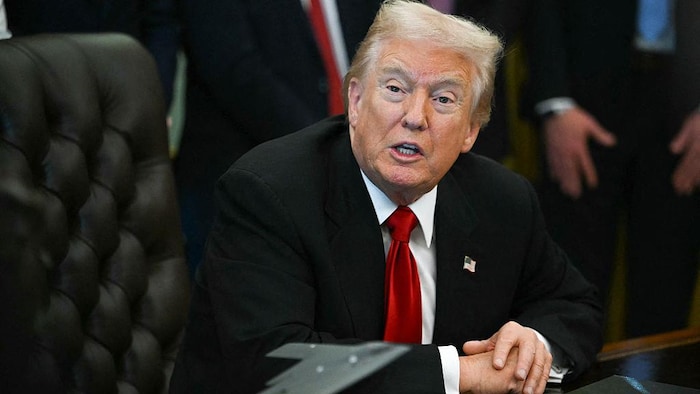
MIAMI – Former U.S. President Donald Trump has filed a lawsuit against the British Broadcasting Corporation (BBC), seeking $10 billion in damages for alleged defamation and deceptive practices. The legal action, lodged Monday in a Florida federal court, centers on a disputed video montage aired by the BBC that Trump claims misrepresented his statements regarding the January 6, 2021, attack on the U.S. Capitol.
The lawsuit alleges the BBC intentionally manipulated footage of a Trump speech to create the false impression that he explicitly called for his supporters to storm the Capitol building. Trump, speaking to reporters Monday, asserted, “They literally put words into my mouth.” He had previously indicated he would seek between $1 billion and $5 billion from the broadcaster.
The BBC’s Panorama program aired the edited clips shortly before the 2024 U.S. presidential election. The footage sparked immediate controversy, with critics accusing the BBC of bias and attempting to influence the election outcome. Hundreds of Trump supporters stormed the Capitol on January 6th, fueled by unsubstantiated claims of election fraud, attempting to prevent the certification of Joe Biden’s victory.
A spokesperson for Trump’s legal team stated the BBC “maliciously and deceptively” altered the former president’s words “with the blatant intent to interfere in the 2024 presidential election.” They further accused the BBC of a long-standing pattern of biased coverage and a “leftist political agenda.”
The legal complaint seeks a minimum of $5 billion for each of the two charges: defamation and violation of Florida’s Deceptive and Unfair Trade Practices Act. This comes as Trump has a history of initiating legal action against media outlets, often resulting in substantial settlements.
Leadership Turmoil at the BBC
The controversy has triggered a crisis within the BBC, leading to the resignation of Director-General Tim Davie and Head of News Deborah Turness. BBC Chairman Samir Shah subsequently issued an apology to Trump, but maintained the BBC’s commitment to defending itself against the defamation claims.
However, Trump’s legal team argues the apology was insufficient, stating the BBC has “manifested no genuine remorse” and failed to implement meaningful institutional reforms to prevent future journalistic misconduct.
The BBC’s impartiality has been under scrutiny for years, with accusations of leaning left in its political coverage. This latest incident has reignited the debate over the role and independence of public service broadcasting in the United Kingdom.
The case highlights the increasing tension between political figures and the media landscape, particularly in an era of heightened polarization and the rapid spread of misinformation. According to a 2023 report by the Reuters Institute for the Study of Journalism, trust in news globally is declining, with a significant portion of the population expressing concerns about media bias and accuracy. This erosion of trust poses a significant threat to democratic institutions and informed public discourse.
Trump’s administration has also been noted for cultivating relationships with media outlets favorable to his views, including the British conservative news channel GB News, which is closely aligned with Nigel Farage, leader of the Reform UK party. The former president has frequently attacked traditional media organizations, labeling them as “fake news” and restricting access to White House briefings.