The Wiggles Deny MDMA Endorsement After TikTok Video Backlash
The Wiggles Navigate a Sticky TikTok Situation: A Legacy Tested
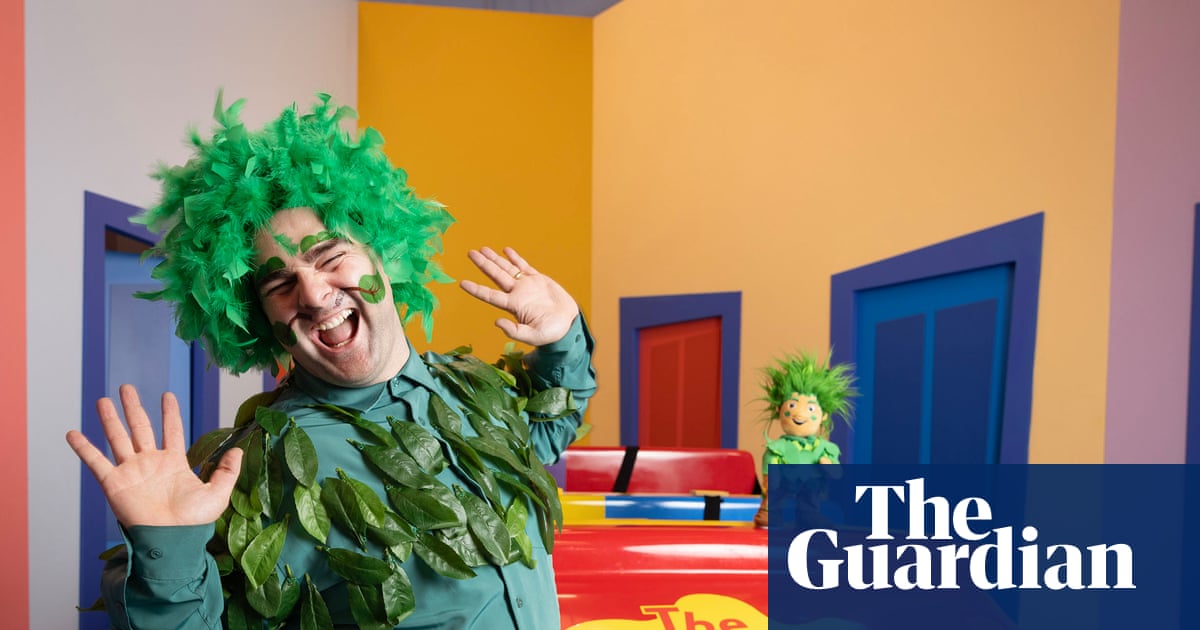
SYDNEY – The Wiggles, Australia’s beloved children’s entertainment group, are working to distance themselves from a controversial TikTok video featuring a song with explicit drug references. The incident, involving founding member Anthony Field and his nephew Dominic Field (known as the “Tree of Wisdom”), has prompted a swift denial from the group and sparked debate about the responsibilities of public figures, even those primarily aimed at a young audience.
The controversy centers around a clip featuring Keli Holiday’s track “Ecstasy,” which contains lyrics alluding to MDMA. The video, originally posted by Holiday (also known as Adam Hyde, a member of electronic music duo Peking Duk), showed the two Wiggles dancing behind the singer. It was quickly deleted by Holiday following online backlash, but not before screenshots and reposts circulated widely, triggering concern among parents and child psychologists.
A Calculated Risk or Unforeseen Fallout?
The Wiggles have maintained a carefully cultivated image of wholesome family entertainment for over three decades. Founded in 1991, the group has become a cultural institution in Australia and gained significant international recognition, particularly in the United States. Their longevity is remarkable in the notoriously fickle world of children’s media. According to Statista, the global children’s entertainment market generated approximately $304 billion in revenue in 2023, demonstrating the immense commercial power of appealing to young audiences. This makes maintaining a positive brand image paramount.
In a statement released over the weekend, a spokesperson for The Wiggles emphasized that the group had no prior knowledge of how the footage, captured during a performance with Holiday at the TikTok awards in Sydney, would be used. “The Wiggles do not support or condone the use of drugs in any form,” the statement read. “The content being shared was not created or approved by us, and we have asked for it to be removed.” They clarified that Holiday is a personal friend, but the problematic video was an independent creation.
The incident raises questions about the potential for misinterpretation and the challenges faced by entertainers who attempt to broaden their appeal. The Wiggles have, in recent years, actively sought to engage with a wider demographic, including older fans who grew up with the group. This strategy, while largely successful – evidenced by their continued relevance and sold-out concert tours – carries the risk of navigating more complex cultural landscapes.
The Shifting Sands of Nostalgia and Brand Identity
The Wiggles’ recent efforts to connect with a new generation, including embracing social media platforms like TikTok, are part of a broader trend in the entertainment industry. Many legacy brands are attempting to leverage nostalgia while simultaneously remaining relevant in a rapidly evolving digital world. However, this requires a delicate balance. The line between playful experimentation and damaging association can be surprisingly thin.
Child psychologists have weighed in, criticizing the Fields’ participation in the video as a “lapse of judgment.” Their concerns highlight the responsibility that comes with being a role model for children, even unintentionally. The incident serves as a cautionary tale about the importance of vetting collaborations and understanding the potential implications of seemingly innocuous appearances.
Beyond the Backlash: A PR Exercise or Genuine Concern?
The speed and decisiveness of The Wiggles’ response suggest a well-managed public relations strategy. The group’s clear and unequivocal denial, coupled with their explanation of the circumstances, appears designed to minimize damage to their brand. However, the incident also underscores the increasing scrutiny faced by public figures in the age of social media. A single misstep can quickly escalate into a full-blown crisis.
The Wiggles’ statement also acknowledges the concerns of parents and professionals, demonstrating a level of sensitivity that is likely to be appreciated by their core audience. This proactive approach is crucial for maintaining trust and preserving the group’s reputation as a safe and positive influence on children. The incident is a reminder that even the most beloved brands are not immune to controversy, and that effective crisis communication is essential for navigating the challenges of the modern media landscape.
The long-term impact of this incident on The Wiggles’ brand remains to be seen. However, their swift response and commitment to their core values suggest they are well-equipped to weather the storm. The incident serves as a valuable lesson for all entertainers: in the age of social media, every appearance, every collaboration, and every post carries the potential for unintended consequences.