Syria: A Year After Assad’s Fall – Hope & Challenges Remain
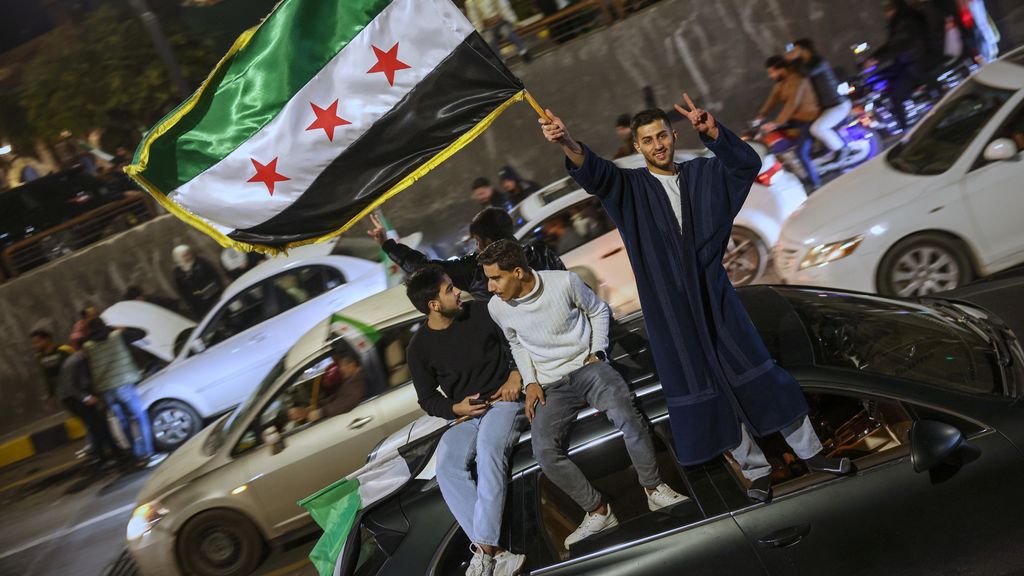
Damascus Celebrates a Year of Freedom, But Scars of War Remain
A year after the end of decades of authoritarian rule, the streets of Damascus are filled with a cautious joy. Cars honk in celebratory parades, children wave the Syrian flag from rooftops, and music echoes through neighborhoods once silenced by conflict. But beneath the surface of this newfound freedom lies a complex reality of trauma, economic hardship, and a long road to recovery.
A Bitter-Sweet Victory
“I look back on this year with mixed feelings,” says Dana, a mother of two who traveled from Aleppo to Damascus to join the celebrations. “After years of being numb under the dictatorship, I suddenly felt extreme happiness, immense worry, and so much confusion. It’s all difficult to process.”
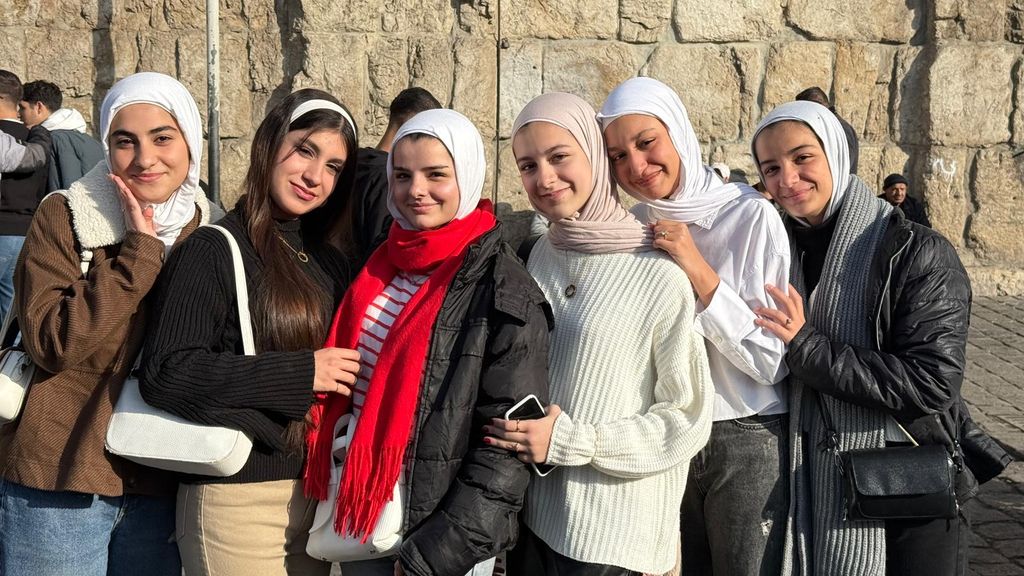
The sentiment is echoed by Razan, a Damascus resident who lost her home and family members during the years of conflict. “I’m not just happy, I’m incredibly, unbelievably happy,” she says, waving a Syrian flag in the bustling marketplace. “It’s a dream come true. That donkey is gone for good.” The “donkey” is a local reference to former President Bashar al-Assad, a symbol of the oppression many Syrians endured.
While the fall of the regime has brought a sense of liberation, the wounds of war run deep. Many Syrians are still searching for answers and accountability for the atrocities committed during the conflict. Access to mental health support is limited, and the trauma of years of violence continues to haunt the population.
A New Voice for Syrian Media
Amidst the celebrations, a quiet revolution is taking place in the media landscape. The Syrian Broadcasting Corporation is undergoing a transformation, aiming to become a trusted source of information for a nation starved of independent journalism.
“We are forming a bridge between the people and the government,” says Jamil Srour, Head of News. “We are committed to providing accurate and unbiased reporting, and to fostering a culture of critical thinking.” The ability to question authority openly is a newfound freedom that many Syrians cherish.
However, the challenges are immense. The Syrian economy is in ruins, with widespread poverty and unemployment. Basic services like electricity and clean water are scarce. The rebuilding of infrastructure will require significant international investment and a concerted effort from all sectors of society.
Mohammad Alaaty, a resident of the devastated suburb of Jobar, embodies the resilience of the Syrian people. Despite the destruction surrounding him, he remains optimistic about the future. “In 2026, things will really start to improve,” he believes. “If sanctions are lifted, the international community can help us rebuild. We Syrians love our country, and I won’t rest until I can return to my beloved neighborhood.”
The Path Forward
The road to recovery will be long and arduous. The presence of landmines and unexploded ordnance continues to pose a threat to civilians. The needs of Syrian minorities, who have suffered disproportionately during the conflict, must be addressed. And the international community must play a role in supporting the country’s transition to a more peaceful and prosperous future.
“We Syrians love our country; I will not rest until I am able to live here again.”
As Syria embarks on this new chapter, the hope for a brighter future remains strong. But it is a hope tempered by the realities of a nation scarred by war, and a people determined to rebuild their lives and their country.