Susie Wiles Disputes Vanity Fair Article, Trump News & More – Headlines
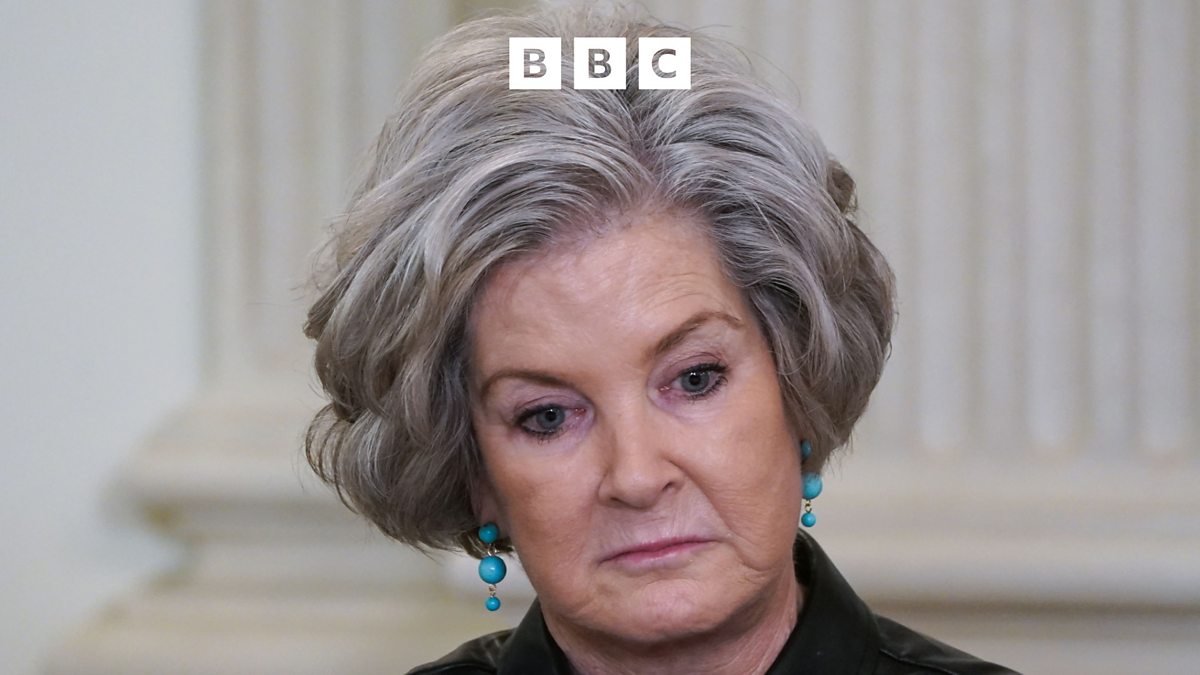
White House Chief of Staff Disputes ‘Disingenuous’ Vanity Fair Portrait
WASHINGTON – Susie Wiles, the influential chief of staff to President Donald Trump, is vehemently contesting a recent Vanity Fair profile that painted a critical picture of the administration and key figures within it. Wiles alleges the magazine selectively presented her comments, stripping them of crucial context to create what she calls a “disingenuously framed hit piece.” The fallout underscores the ever-present tensions between a fiercely protective White House and a media landscape often scrutinizing its every move.
A Candid Interview, A Contentious Response
The article, based on a lengthy interview, quoted Wiles as describing President Trump as possessing an “alcoholic’s personality” and Vice President JD Vance as a “conspiracy theorist” for a decade. These characterizations, if taken at face value, would represent a significant internal critique from one of the President’s closest advisors. However, Wiles insists her remarks were misrepresented, arguing that Vanity Fair deliberately omitted vital nuances from her statements.
“The article doesn’t reflect the full scope of the conversation,” a source close to Wiles told worldys.news, speaking on condition of anonymity. “Susie was making observations about past behaviors and perceptions, not necessarily current assessments. The framing is deeply unfair.”
President Trump himself publicly backed Wiles, stating he has “full faith” in her judgment and dismissing the article as “fake news.” This public show of support is a testament to Wiles’s standing within the administration, a position she’s cultivated through years of loyalty and strategic acumen. She is considered a key architect of Trump’s political successes, particularly in the crucial state of Florida.
Beyond the White House Walls: A Broader Geopolitical Landscape
The controversy surrounding the Vanity Fair article unfolds against a backdrop of escalating global challenges. The Trump administration continues to exert pressure on Venezuela, with the President announcing an order to blockade all sanctioned oil tankers traveling to and from the nation. This move, intended to further isolate President Nicolás Maduro, risks exacerbating the already dire humanitarian crisis in Venezuela and potentially disrupting global oil markets. According to the World Bank, Venezuela’s GDP contracted by a staggering 80% between 2014 and 2021, making it one of the most severe economic collapses in modern history.
The situation highlights the complex interplay between domestic political maneuvering and international policy. A White House preoccupied with internal disputes, as evidenced by the Wiles controversy, may be less focused on navigating the intricacies of global affairs.
Tragedy in Australia, Concerns About Dementia Risk
The world also mourns following the tragic mass stabbing at Bondi Beach in Australia. Funerals are underway for the victims of the attack, which has shaken the nation and prompted renewed debate about security and mental health. Adding to the somber news, a recent study suggests a link between midlife difficulties with concentration and loss of confidence and an increased risk of developing dementia later in life. The World Health Organization estimates that over 55 million people globally live with dementia, and that number is projected to reach 78 million by 2030.
Cultural Shifts and Legal Victories
Elsewhere, a photograph of Miss Finland sparked a racism row and a PR crisis for the Nordic nation, highlighting the ongoing challenges of diversity and inclusion. Meanwhile, singer Lizzo celebrated a legal victory after a judge dismissed allegations of fat-shaming made by three of her former dancers. And in a historic move, King’s College Cambridge has finally established an all-female choir, breaking a six-century tradition of male voices. This decision reflects a broader societal shift towards gender equality and inclusivity within traditionally male-dominated institutions.
The Fragility of Perception in the Age of Information
The Wiles situation serves as a potent reminder of the fragility of perception in the age of information. A single article, even one contested by its subject, can shape public opinion and influence political narratives. The ability to control the narrative, to frame events in a favorable light, is a crucial skill for any political leader. And in a world saturated with information, the line between fact and interpretation is often blurred, leaving the public to navigate a complex landscape of competing claims and agendas. The incident also underscores the importance of robust fact-checking and critical media literacy, skills essential for informed citizenship in the 21st century.