Stewart Cink Wants Ryder Cup Captaincy Despite Bradley’s Loss & ‘Fear Factor’ Claims
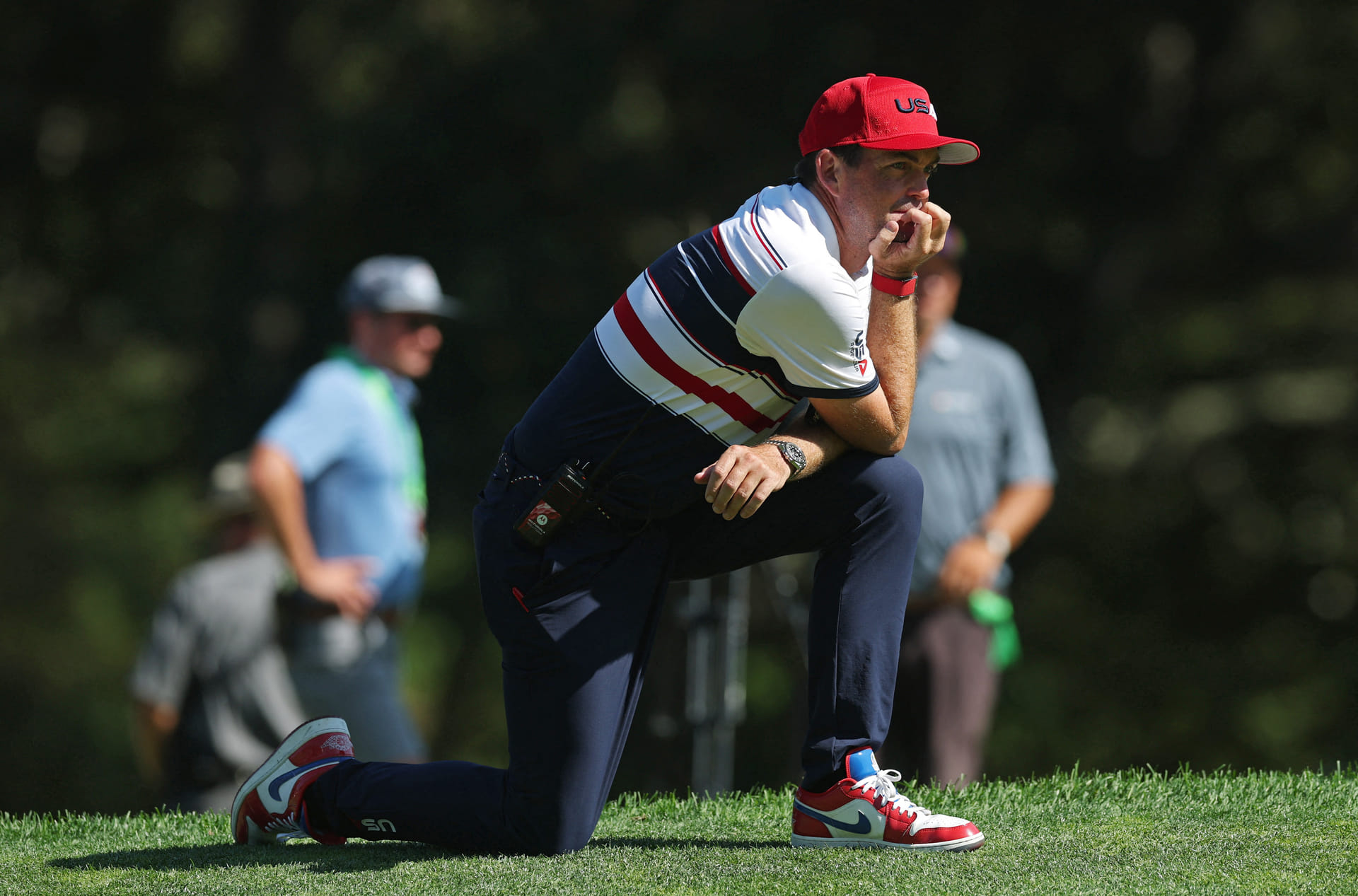
Cink Stakes Claim for Ryder Cup Leadership, Offers Support to Bradley Amidst US Team Fallout
Adare Manor, Ireland – Stewart Cink, a veteran of five Ryder Cup appearances as a player and one as a vice-captain, has publicly expressed his desire to captain the US team for the 2027 edition at Adare Manor. The 2009 Open Champion’s ambition comes after a recent interview for the 2026 captaincy at Bethpage Black, a role ultimately awarded to Keegan Bradley. Despite the US team’s disappointing 15-13 loss at Bethpage, Cink has been quick to defend Bradley’s leadership, attributing the defeat to a “fear factor” that plagued the American players.
Bradley’s Burden and Cink’s Perspective
The Ryder Cup loss has clearly weighed heavily on Bradley, who recently described the experience as “the darkest time of my life.” Cink, however, believes the captain is being unduly harsh on himself. Speaking to reporters, Cink lauded Bradley’s efforts, stating, “I think Keegan did a great job and the scoreboard is just not a good way to determine how he did.” This sentiment underscores a broader debate within the golfing community about how to accurately assess captaincy performance in a team event as complex as the Ryder Cup.
Cink’s analysis delves into the psychological aspect of the competition, suggesting a fundamental difference in mindset between the American and European teams. He observed that the European side, led by Luke Donald, appeared to play with a freedom from the pressure of losing, while the US players seemed burdened by it. “The European guys… they don’t play like they’re afraid to lose,” Cink explained. “And I think we kind of play like we’re afraid to lose and I can say that because I’ve been there and I know what it feels like.” This observation highlights a crucial, often overlooked, element of Ryder Cup success: mental fortitude.
The Putting Puzzle and Statistical Insights
Beyond the psychological factors, Cink pointed to a surprising statistical anomaly that contributed to the US defeat. Despite boasting two of the top 11 putters through the first two days of competition, the American team ultimately faltered. This seemingly contradictory outcome suggests that putting performance, while technically proficient, was hampered by a lack of confidence and belief. According to data from the PGA Tour, the US team’s average putts per round was 29.17, only marginally worse than the European team’s 28.83, but the critical difference lay in the pressure moments – missed opportunities on crucial putts that shifted momentum in favor of Europe.
This statistic underscores the importance of not just technical skill, but also the ability to execute under pressure. The Ryder Cup, with its unique match-play format and intense atmosphere, amplifies these mental challenges. The European team, historically, has demonstrated a greater ability to thrive in this environment, a factor Cink believes is ingrained in their approach to the competition from a young age.
Looking Ahead to Adare Manor and the Future of US Ryder Cup Strategy
Cink’s interest in the 2027 captaincy signals a desire to address these underlying issues and cultivate a more resilient and confident US team. His experience as both a player and vice-captain provides him with a unique understanding of the dynamics at play within the Ryder Cup. He understands the weight of expectation and the need to foster an environment where players feel empowered to take risks and embrace the challenge.
The decision to pass on the captaincy to Bradley, despite Tiger Woods’ initial consideration, raised eyebrows within the golf world. While Bradley’s passion for the game is undeniable, his lack of extensive leadership experience was a concern for some. The loss at Bethpage has only intensified the scrutiny, but Cink’s defense of Bradley suggests a belief in his potential.
The Ryder Cup’s popularity continues to surge, with the 2023 edition at Marco Simone attracting a global television audience of over 500 million viewers, according to Ryder Cup officials. This growing interest underscores the importance of fielding a competitive US team and restoring the country’s dominance in the biennial competition. Cink’s potential captaincy could represent a strategic shift towards prioritizing mental toughness and fostering a more fearless approach to the Ryder Cup, a change that could prove crucial in reclaiming the trophy at Adare Manor.
The selection process for the 2027 captain will be closely watched, and Cink’s candidacy adds an intriguing dimension to the debate. His willingness to publicly support Bradley while simultaneously expressing his own ambition demonstrates a complex understanding of the pressures and expectations that come with leading the US Ryder Cup team.