Steam on Android: GameHub, Compatibility & Performance Testing
Gaming on the Go: Early Tests Reveal Mixed Results for Android-Based Handhelds
The dream of a truly portable PC gaming experience is edging closer to reality, but early adopters of Android-based handheld devices are encountering a bumpy road. While the potential is undeniable, initial testing reveals significant hurdles in game compatibility and performance, raising questions about the immediate viability of these devices as replacements for traditional gaming PCs.
Initial Setup and Software Quirks
The user experience begins with a straightforward download process, presenting users with four options upon completion: “Play Now,” “PC Game Settings,” “Add to Home Screen,” and “Uninstall.” The interface is designed to accommodate both touch and controller input – a positive sign for versatility. Within the “PC Game Settings,” pre-configured profiles like “Extreme,” “Stable,” and “Compatible” aim to optimize performance for individual games.
However, the initial setup isn’t without its snags. Activating Bluetooth and granting location access are mandatory before driver and firmware downloads can commence. A thoughtful touch is the display of a game’s trailer during the download process, offering a preview of the experience to come. Unfortunately, the central GameHub software, crucial for launching titles, proved unstable, consistently crashing upon startup.
Compatibility Challenges: A Hit-and-Miss Affair
Attempts to circumvent the GameHub issues by utilizing Steam’s “Lightweight Mode” and experimenting with different Proton compatibility layers (proton10.0-arm64x2 to proton9.0-arm64x3) were unsuccessful. A range of popular titles – including Amnesia: The Dark Descent, The Stanley Parable, Outlast, and Raft – failed to launch despite numerous configuration adjustments.
Switching to a tablet equipped with a Snapdragon 7+ Gen 3 processor and 16GB of combined RAM (8GB physical, 8GB virtual) yielded slightly better results. The GameHub software began highlighting certain Steam library titles with a green checkmark, seemingly suggesting greater compatibility.
While Crysis 2 and the 2013 Tomb Raider reboot received these endorsements, even they proved problematic. Tomb Raider allowed access to the configuration menu, but further progress was impossible.
A Glimmer of Hope: Outlast Runs, But With Caveats
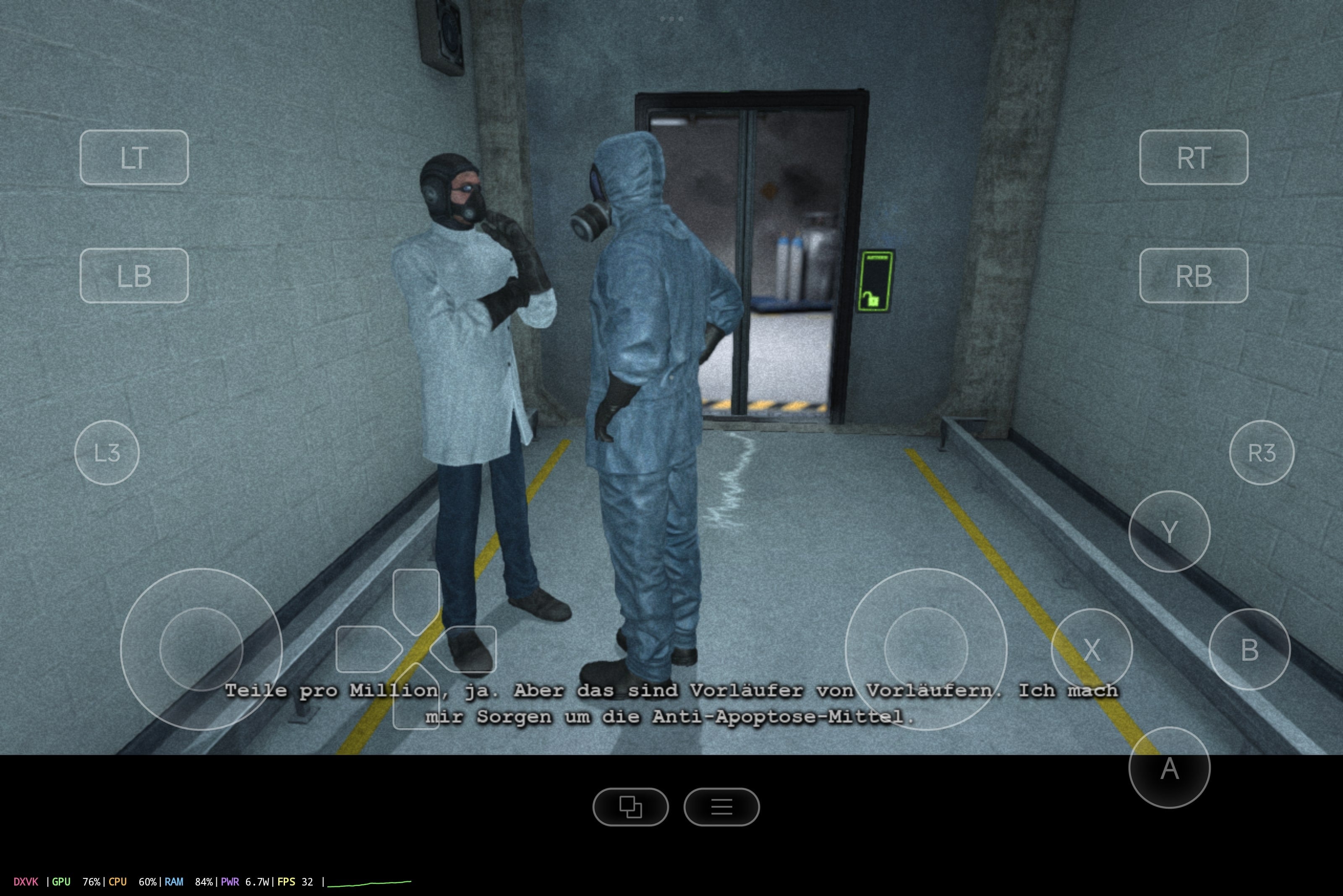
Finally, some success. Outlast, also marked with a green checkmark, proved playable, achieving a respectable 1280×720 resolution at approximately 30 frames per second. However, the experience wasn’t flawless, with noticeable graphical glitches.
“It’s a start,” says gaming analyst Sarah Chen of Global Tech Insights. “These devices represent a significant step towards truly mobile PC gaming, but the software ecosystem clearly needs further refinement. The Proton compatibility layer, while powerful, isn’t a silver bullet, and developers need to actively optimize their games for these ARM-based platforms.”
The Broader Context: A Growing Market Facing Real-World Limitations
The rise of Android-based handheld gaming devices is fueled by a growing demand for portable gaming solutions. According to Newzoo, the global games market generated $184 billion in revenue in 2023, with mobile gaming accounting for the largest share at 57%. This trend underscores the appeal of devices that can bridge the gap between mobile and PC gaming.
However, the current limitations highlight the challenges of emulating a PC gaming experience on a low-power mobile platform. The ARM architecture, while energy-efficient, differs significantly from the x86 architecture of most PCs, requiring extensive translation and optimization.
The future of handheld gaming hinges on continued software development, improved compatibility, and a collaborative effort between hardware manufacturers and game developers. For now, consumers should temper their expectations and be prepared for a mixed bag of experiences.