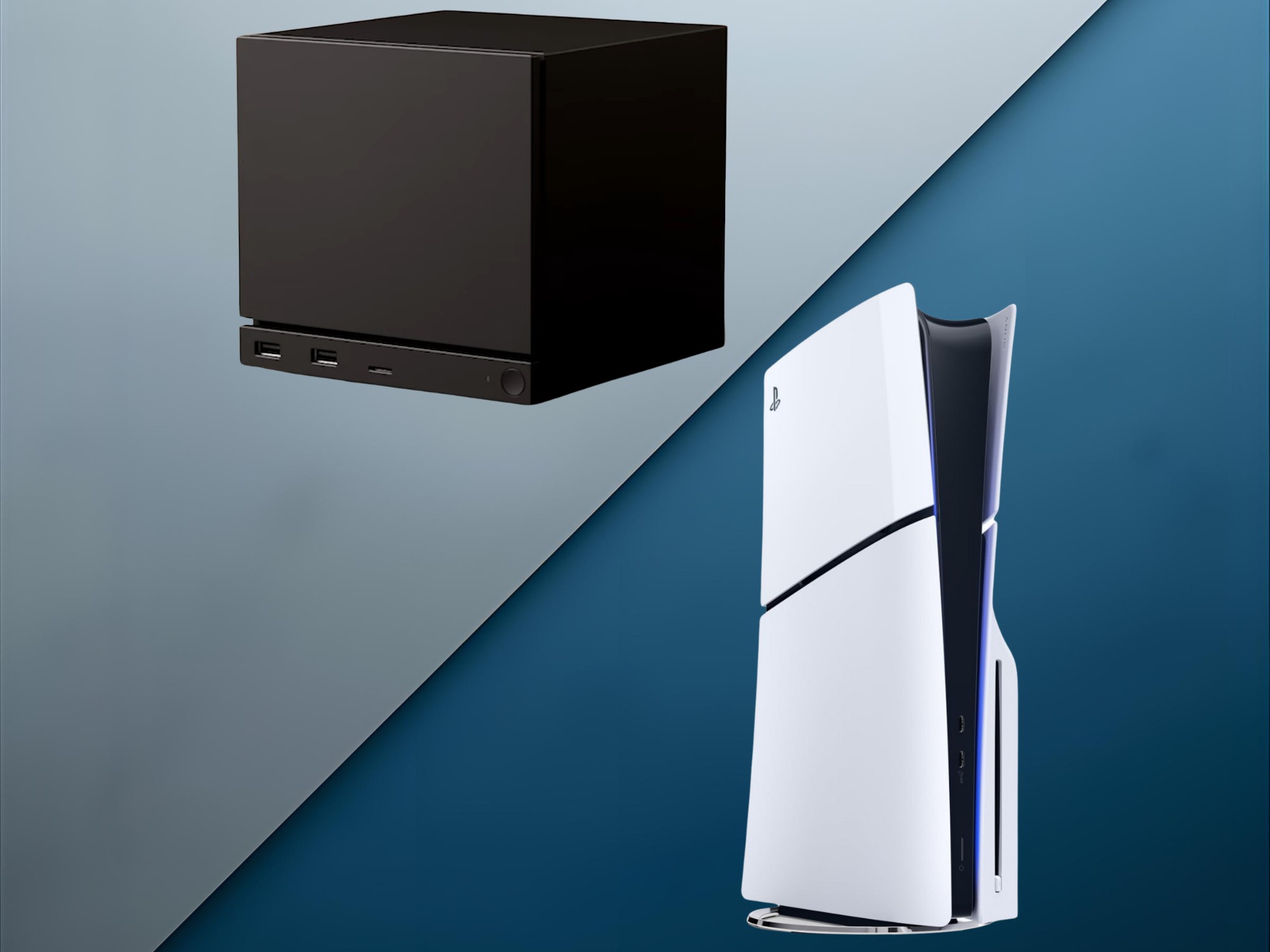
Valve’s much-anticipated Steam Machine is facing a cloud of uncertainty, primarily concerning its retail price, which could significantly influence its market reception. While an official price point remains undisclosed, insights from industry figures suggest a potentially higher cost than comparable consoles, raising concerns about its competitiveness against established players like Sony’s PlayStation 5 and Microsoft’s Xbox Series consoles.
The core challenge for Valve lies in its business model. Unlike console manufacturers who are often willing to subsidize hardware costs with lucrative game sales and subscription services, Valve’s approach for the Steam Machine appears to center on hardware revenue. This fundamental difference could lead to a higher upfront cost for consumers, a scenario that industry observers believe might deter potential buyers.
During a recent episode of the “WAN Show,” influencer Linus Tech Tips shared insights gleaned from a meeting with Valve, indicating a tepid reaction to the suggestion of a $500 price tag for the Steam Machine. “No one said anything, but the energy in the room wasn’t great,” Tech Tips reportedly conveyed, suggesting that Valve may not see $500 as a viable or desirable price point for their new console.
This pricing dilemma comes at a time when console prices have seen fluctuations. Following recent price adjustments, the digital-only PlayStation 5 model retails for $499.99, with the disc version at $549.99. Analysts anticipate the Steam Machine will offer performance on par with Sony’s current-generation console. However, if its price creeps closer to that of a more powerful, yet unreleased, PS5 Pro variant (rumored at $749.99), the value proposition for consumers could diminish significantly.
Steam Machine vs. Consoles: Key Considerations
Beyond pricing, the Steam Machine offers distinct advantages and faces unique challenges when compared to traditional consoles:
- Open Software Ecosystem: The SteamOS platform is more flexible, allowing users to install third-party applications and even alternative operating systems like Windows, offering a PC-like experience.
- Media Streaming Limitations: While powerful for gaming, seamless integration with all media streaming services, such as Netflix, may not be as streamlined as on dedicated consoles.
- Physical Media Omission: Valve has confirmed that the Steam Machine will not include a physical disc drive, aligning with a digital-first distribution model.
Performance Expectations and Future Potential
Estimates for the Steam Machine’s price range widely, from approximately $400 to over $1000 for higher-spec configurations. Valve appears to be positioning it as an entry-level gaming PC, yet questions linger regarding its capability to consistently deliver high-fidelity 4K gaming at 60 frames per second, especially with a GPU limited to 8GB of VRAM. The effectiveness of upscaling technologies like AMD’s FSR 3 and the potential for FSR 4 could prove crucial in bridging this performance gap, making the Steam Machine a more attractive alternative to the PS5 or pre-built gaming PCs.