Steam Machine Price: RAM Shortage & 2026 Launch Estimate
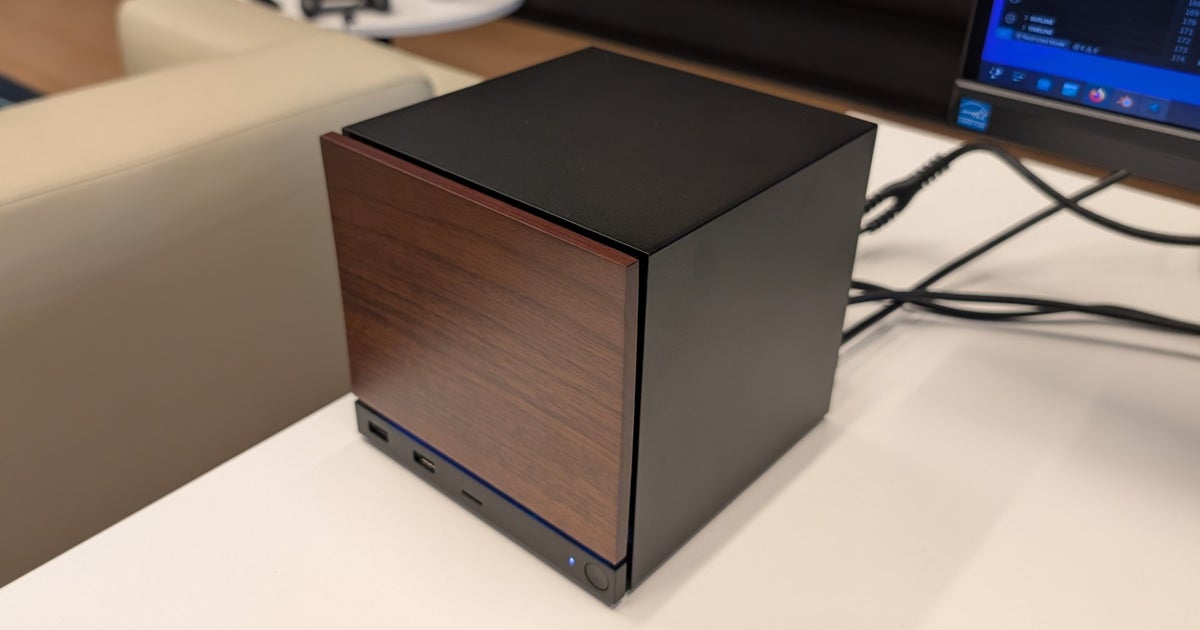
Valve’s Steam Machine Faces a RAM Reality Check: AI’s Unexpected Impact on Gaming Hardware
The resurrection of Valve’s Steam Machine, slated for a 2026 launch, is running into an unexpected obstacle: a global shortage of RAM, driven by the insatiable demand of artificial intelligence data centers. What began as a playful online guessing game – accurately predicting the final price of the Steam Machine – has quickly morphed into a sobering illustration of how the burgeoning AI industry is impacting the consumer tech landscape, and potentially delaying or inflating the cost of the long-awaited gaming PC.
The current situation bears an eerie resemblance to the 2020 graphics card crisis, dubbed the “Great Graphics Card Dumpster Fire,” but this time the culprit isn’t cryptocurrency miners, it’s the exponential growth of AI. Data centers require massive amounts of memory to train and operate increasingly complex AI models, effectively squeezing out supply for other sectors, including PC gaming. The result? Prices for even basic RAM kits have skyrocketed in recent weeks.
The AI Tax on Gaming: A Price Gouge in Plain Sight
The price hikes are stark. A Crucial DDR5 32GB kit, which sold for around £88 just a month ago, is now listed for £206 on Amazon UK. A Corsair Vengeance DDR5 32GB set has jumped from £100 in September to a staggering £350. Even a premium 64GB kit has more than doubled in price, reaching £557 – exceeding the cost of a base PlayStation 5 or even an RTX 5070 graphics card. As one commenter wryly observed, it now costs more than 1,011 packets of Marks & Spencer’s extra cream Bourbon biscuits.
While hardware manufacturers with established supply chains may be able to weather the storm, smaller builders and consumers are feeling the pinch. Microsoft is reportedly considering another price increase for its Xbox Series X/S consoles to offset the rising memory costs, according to reports. This highlights a broader trend: the AI boom isn’t just impacting PC gaming, it’s rippling through the entire gaming ecosystem.
Valve’s Dilemma: Stockpiling or Delaying?
The Steam Machine, a compact PC designed to run Valve’s SteamOS, is particularly vulnerable. It utilizes laptop-style DDR5 modules, which are also affected by the current shortage. Valve faces a difficult choice: absorb the increased costs and potentially launch the Steam Machine at a higher price point than anticipated, or delay the launch until the RAM market stabilizes. The company may have secured some memory supplies in advance, but those stockpiles won’t last forever.
The uncertainty surrounding component pricing may also explain why Valve initially refrained from announcing specific pricing for the Steam Machine, alongside the new Steam Controller and Steam Frame VR headset. Predicting costs in a volatile market is a risky proposition, and Valve likely wants to avoid setting expectations it can’t meet.
A DIY Price Check: What Might the Steam Machine Actually Cost?
Despite the challenges, enthusiasts are attempting to estimate the Steam Machine’s price by spec-ing out comparable DIY PCs. One recent build, aiming to replicate the Steam Machine’s performance based on hands-on testing at Valve HQ, came in at around £869. The build included an AMD Ryzen 5 7600X processor, a Zotac GeForce RTX 5050 graphics card, 16GB of Crucial DDR5 RAM, and a 500GB WD Blue SN500 SSD. However, even this estimate is subject to change, given the fluctuating RAM prices.
The global video game market is projected to reach $302.40 billion in 2024, according to Statista, demonstrating the immense economic power of the industry. Any significant price increase for gaming hardware could impact consumer spending and potentially slow down growth.
Beyond the Steam Machine: A Broader Industry Impact
The RAM shortage isn’t just a problem for Valve. It’s a symptom of a larger trend: the increasing demand for computing power driven by AI is reshaping the tech industry. This trend is likely to continue, and consumers should expect to see higher prices and longer lead times for a variety of tech products in the coming months. The Steam Machine’s fate serves as a cautionary tale, highlighting the interconnectedness of the tech world and the unexpected consequences of technological innovation. The question now isn’t just what the Steam Machine will cost, but whether Valve can navigate this turbulent market and deliver a compelling gaming experience at a reasonable price.
For more on the evolving landscape of gaming hardware, explore Worldys.news’ Entertainment section.