Sherrone Moore: Fired Michigan Coach Faces Stalking, Home Invasion Charges
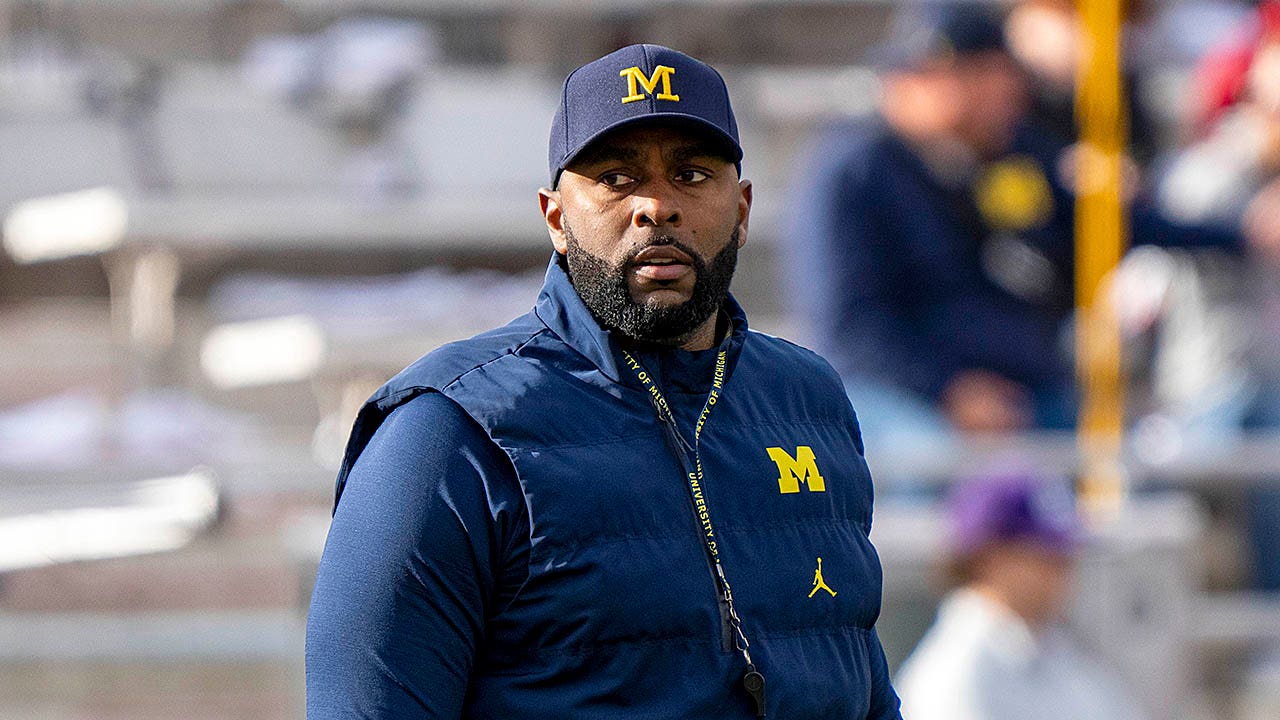
Former Michigan Coach Sherrone Moore Faces Felony Charges Amid Stalking Allegations
ANN ARBOR, Mich. – Sherrone Moore, recently dismissed as the head football coach of the University of Michigan, is now facing serious legal repercussions following allegations of stalking and a home invasion. The charges, including a felony, stem from an alleged inappropriate relationship with a staff member and a subsequent confrontation at her residence, casting a shadow over the program’s recent success and sparking a wider conversation about power dynamics and accountability in college athletics.
A Tumultuous Exit and Mounting Legal Troubles
Moore’s firing from the University of Michigan came after an internal investigation revealed “credible evidence” of an inappropriate relationship with a staffer, according to a statement released by Athletic Director Warde Manuel. The situation quickly escalated when Moore was arraigned Friday on charges of home invasion and stalking. Prosecutors allege the relationship spanned “a number of years” and ended earlier this week, triggering a series of unwanted contact attempts.
According to court documents, after the breakup, Moore allegedly repeatedly contacted the staffer via phone and text messages. When those attempts proved unsuccessful, he allegedly went to her home. The situation took a disturbing turn when Moore allegedly forced his way into the residence, armed with a butter knife and kitchen scissors, and threatened self-harm, reportedly telling the staffer, “My blood is on your hands” and “You ruined my life.” Prosecutors have stated they believe Moore poses a risk to public safety and have requested strict conditions for his release.
Head coach Sherrone Moore of the Michigan Wolverines watches warmups before the Hoosiers game at Memorial Stadium on Nov. 9, 2024, in Bloomington, Indiana. (Getty Images)
The Broader Implications for College Football
Moore’s case is not isolated. It arrives amidst heightened scrutiny of coaches’ conduct and the power imbalances inherent in college athletics. The University of Michigan itself has recently dealt with similar issues, notably the firing of basketball coach Juwan Howard following allegations of misconduct. The NCAA has been under increasing pressure to strengthen its policies regarding coach behavior and to provide better support for staff members who may be vulnerable to exploitation.
The case also raises questions about the “revolving door” nature of coaching hires and the differing standards applied to coaches who face allegations of misconduct. As former ESPN analyst Ryan Clark pointed out on ESPN’s “First Take”, Moore’s situation could have ramifications for other Black coaches seeking opportunities at the highest level. Clark suggested Moore’s actions could unfairly prejudice future candidates, while noting that white coaches often receive second chances after similar transgressions – citing examples like Bobby Petrino and Rick Pitino.
A Conversation About Race and Second Chances
The commentary from Clark and others has ignited a debate about racial disparities in how coaches are treated after scandals. Jemele Hill, a prominent voice on sports and social issues, echoed Clark’s sentiments on Threads, arguing that Black coaches are often held to a different standard than their white counterparts. She pointed to cases involving coaches like Mel Tucker and Ime Udoka, suggesting they were more harshly penalized than coaches with similar histories.
This disparity is particularly concerning given the limited opportunities for minority coaches in major college sports. According to a 2023 report by The Institute for Diversity and Ethics in Sport (TIDES), Black head coaches comprised only 11.8% of head football coach positions at Football Bowl Subdivision (FBS) schools. This underrepresentation highlights the need for systemic change and a commitment to creating a more equitable landscape in college athletics.

Michigan Wolverines head football coach Sherrone Moore before the Northwestern Wildcats game at Wrigley Field in Chicago on Nov. 15, 2025. (Aaron J. Thornton/Getty Images)
What Happens Next?
Moore is scheduled to appear in court again on January 22nd. He faces over six years in prison if convicted. The case is likely to draw significant attention, not only within the sports world but also in the broader context of workplace harassment and the legal ramifications of inappropriate relationships. The University of Michigan has not commented further on the matter beyond its initial statement.
This case serves as a stark reminder of the importance of accountability and the need for institutions to prioritize the safety and well-being of all staff members. As the legal proceedings unfold, the focus will remain on ensuring justice for the alleged victim and addressing the systemic issues that contribute to such incidents. Globally, the issue of workplace harassment is pervasive; the International Labour Organization (ILO) estimates that over 23% of workers worldwide have experienced workplace violence and harassment, highlighting the urgent need for comprehensive prevention and response measures.