Samsung Galaxy Buds4 & Buds4 Pro: Battery Specs & Release Date
Samsung’s Next-Gen Earbuds: A Battery Balancing Act in a Competitive Audio Market
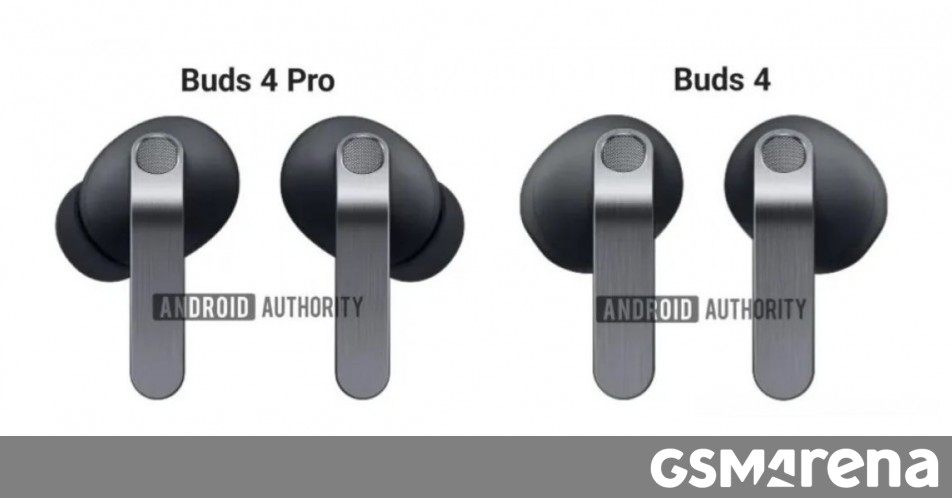
Seoul, South Korea – Samsung is navigating a delicate balance between performance and cost as it prepares to launch its next generation of wireless earbuds, the Galaxy Buds4 Pro and Galaxy Buds4. Recent leaks detailing design updates are now accompanied by specifics on battery capacity, revealing a strategic shift in power management across the product line. The moves come as the global wireless headphone market continues to mature, demanding both innovation and price sensitivity from key players.
Powering Up the Pro, Scaling Back the Base Model
According to reports originating from Android Authority and corroborated by GSM Arena, the Galaxy Buds4 Pro will feature a 57mAh battery, a modest increase from the 53mAh cell found in the Buds3 Pro. This incremental upgrade suggests Samsung is prioritizing extended playback time for its premium offering, catering to users who demand longer listening sessions without frequent recharging. However, the standard Galaxy Buds4 are slated to receive a smaller 42mAh battery, down from the 48mAh capacity of the Buds3. This reduction in capacity is a notable departure and signals a potential cost-cutting measure for the base model.
This dual-track approach isn’t unusual in the consumer electronics space. Manufacturers often differentiate product tiers through component choices, impacting both price and features. However, the battery is a critical performance metric, and a smaller capacity could raise concerns among consumers about real-world usability. Samsung appears to be mitigating this risk by reportedly increasing the battery capacity within the charging case itself, effectively offsetting the reduction in the earbud’s internal power source.
The Broader Audio Landscape and Competitive Pressures
The wireless earbud market is fiercely competitive, dominated by Apple’s AirPods, but with significant challenges from Samsung, Sony, and a growing number of Chinese manufacturers like Xiaomi and Huawei. According to data from the Statista, global Bluetooth headset shipments reached approximately 300 million units in 2023, generating an estimated $32 billion in revenue. The market is projected to continue growing, albeit at a slower pace, driven by demand for improved audio quality, noise cancellation, and seamless integration with smart devices.
Samsung’s strategy reflects the broader industry trend of segmenting the market. The Pro models target audiophiles and power users willing to pay a premium for top-tier features, while the standard models aim for broader appeal through affordability. This tiered approach allows Samsung to capture a larger share of the overall market, but it also requires careful management of component costs and feature differentiation.
Supply Chain Considerations and Regulatory Impacts
The decision to reduce battery capacity in the standard Buds4 could also be influenced by supply chain dynamics. Lithium-ion battery production is concentrated in a few key regions, and fluctuations in raw material prices – particularly lithium, cobalt, and nickel – can significantly impact manufacturing costs. The recent decline in lithium prices, for example, may provide some relief, but manufacturers are still keenly aware of geopolitical risks and potential disruptions to the supply chain.
Furthermore, regulations surrounding battery disposal and recycling are becoming increasingly stringent globally. The European Union’s Battery Regulation, for instance, aims to establish a circular economy for batteries, requiring manufacturers to design products for durability, repairability, and recyclability. These regulations add to the cost of production and incentivize manufacturers to optimize battery usage and explore alternative battery technologies.
Launch Timing and Market Expectations
Samsung is currently targeting a late January 2026 launch for the Galaxy Buds4 Pro and Buds4, coinciding with the anticipated release of the Galaxy S26 series. This timing aligns with Samsung’s typical product cycle and allows the company to leverage the marketing momentum of its flagship smartphone launch. Analysts predict that Samsung will emphasize the improved noise cancellation, enhanced audio codecs, and extended battery life (particularly in the Pro model) as key selling points. The success of the new earbuds will depend on Samsung’s ability to effectively communicate these benefits to consumers and maintain a competitive price point in a crowded market. The company’s ability to navigate these challenges will be crucial for maintaining its position as a leading player in the global audio industry.