Salman Rushdie reveals Lou Reed told him famous song was intended for a musical
Lou Reed’s ‘Walk on the Wild Side’ Had a Theatrical Origin, Reveals Salman Rushdie
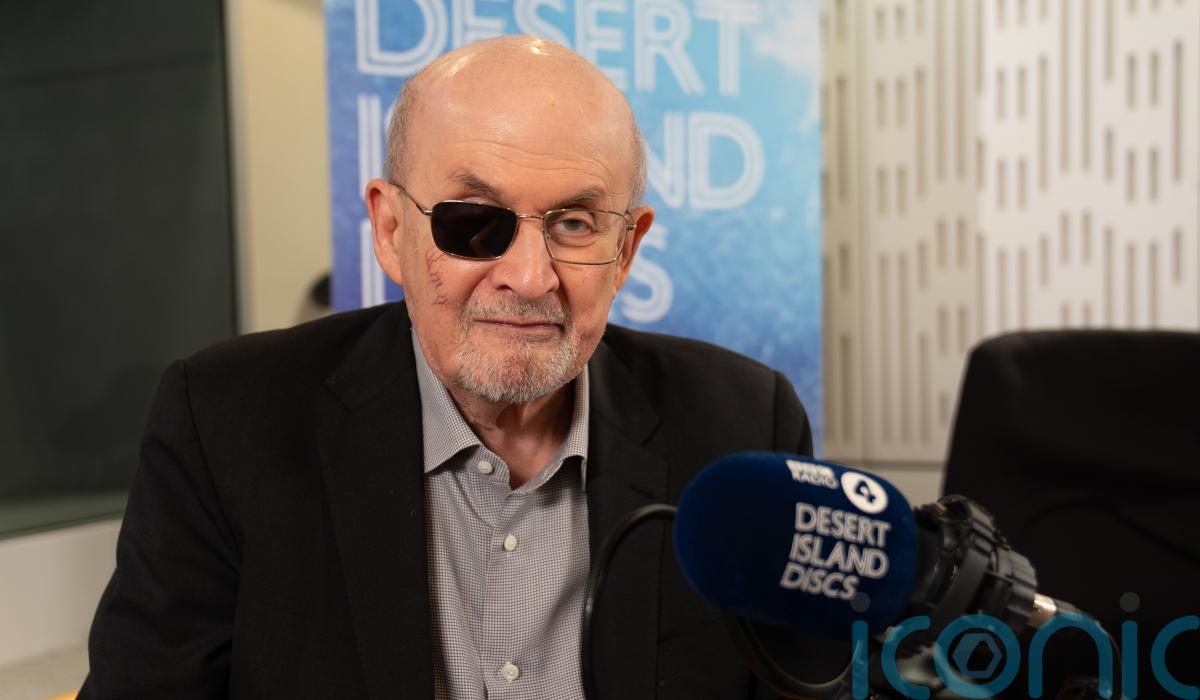
Sir Salman Rushdie, the celebrated author whose life has been marked by both literary triumph and harrowing adversity, recently shared a fascinating anecdote about one of rock music’s most iconic songs. During an appearance on BBC Radio 4’s Desert Island Discs, Rushdie revealed that his late friend, Lou Reed, originally conceived “Walk on the Wild Side” as the centerpiece of a musical adaptation of Nelson Algren’s gritty 1967 novel of the same name.
From Page to Stage – and Back Again
The story, as recounted by Rushdie, highlights the often-circuitous path of creative works. Reed, the frontman of The Velvet Underground, envisioned the song as the title track for a stage production bringing Algren’s characters to life. However, when the musical ultimately failed to materialize, Reed didn’t abandon the composition. Instead, he reimagined it, retaining the music but rewriting the lyrics to reflect the vibrant, often unconventional figures populating Andy Warhol’s Factory scene in New York City.
“It’s kind of extraordinary to be able to say that I was friends with Lou Reed,” Rushdie said on the program, reflecting on a connection that felt improbable given his youthful adoration of The Velvet Underground. “And the idea that I would end up with Lou Reed’s phone number never occurred to me.”
The resulting song, released in 1972 on Reed’s album Transformer, became a defining track of his career, celebrated for its candid portrayal of marginalized characters and its groundbreaking lyrical content. It remains a staple of classic rock radio and continues to resonate with audiences today.
A Missed Encounter with a Literary Giant
Rushdie’s reminiscence extended beyond Reed to include a near-miss encounter with Algren himself. The author recalled that Algren had reviewed Rushdie’s breakthrough novel, Midnight’s Children, favorably in the Chicago Tribune. Invited to a housewarming party hosted by Algren on Long Island, Rushdie was preparing to attend when tragedy struck.
“He had a colossal heart attack and died on the rug in the middle of the room,” Rushdie recounted, “and the first guests to arrive found the host dead on the floor. So I never met Nelson Algren, but almost.” The story underscores the fragility of life and the often-unforeseen circumstances that shape our experiences.
The Enduring Power of Storytelling
Rushdie’s own career has been profoundly shaped by the power – and potential consequences – of storytelling. His 1988 novel, The Satanic Verses, sparked international controversy and led to a fatwa, or religious edict, issued by Ayatollah Ruhollah Khomeini calling for his assassination. He spent years under protective custody, a period that dramatically altered his life and work.
Despite the dangers he faced, Rushdie continued to write, publishing acclaimed novels such as Quichotte and, most recently, The Eleventh Hour, a collection of short stories released earlier this month. His resilience in the face of adversity has made him a symbol of artistic freedom and a powerful voice for tolerance.
A Legacy of Resilience and Artistic Courage
The attack on Rushdie at the Chautauqua Institution in New York in 2022, which left him blind in one eye, served as a stark reminder of the threats faced by writers and artists who challenge established norms. The incident drew widespread condemnation and renewed calls for the protection of free expression. According to PEN America’s 2023 Freedom to Write Index, there was a significant increase in literary censorship and attacks on writers globally, with a 33% rise in incidents compared to the previous year.
Rushdie’s story is a testament to the enduring power of literature and the courage required to pursue artistic truth. His reflections on Lou Reed and Nelson Algren offer a glimpse into the creative process and the interconnectedness of artistic communities. His continued work, despite the challenges he has faced, serves as an inspiration to writers and readers around the world.
He chose “Walk On The Wild Side”, along with Bob Dylan’s “Blowing In The Wind” and The Rolling Stones’ “(I Can’t Get No) Satisfaction” as his Desert Island Discs, a testament to his eclectic and enduring musical tastes.
ARTICOL ORIGINAL:
Author Sir Salman Rushdie has revealed his late friend, singer Lou Reed, told him one of his best known songs Walk On The Wild side was intended for a musical.
The 78-year-old said The Velvet Underground frontman had intended the song, from his 1972 album, Transformer, for use in a musical adaption of author Nelson Algren’s novel Walk On The Wild Side.
Speaking on BBC Radio 4’s Desert Island Discs, Sir Salman said: “It’s kind of extraordinary to be able to say that I was friends with Lou Reed because when I was at college, I kind of worshipped The Velvet Underground.
“And the idea that I would end up with Lou Reed’s phone number never occurred to me.
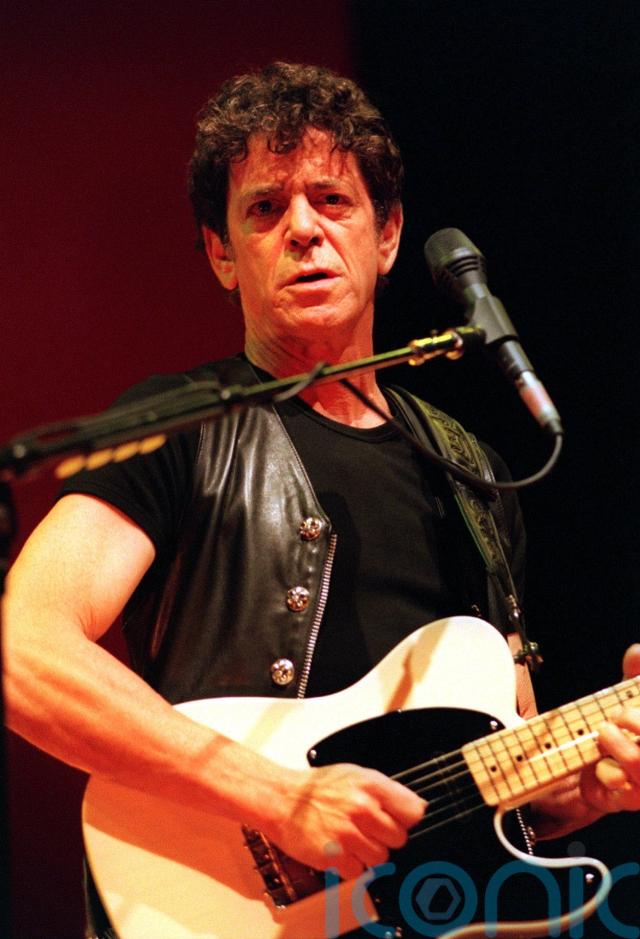
“Originally, it (Walk On The Wild Side) was written to go as the title track of this Nelson Algren musical, based on Nelson Algren’s novel, Walk On The Wild Side.
“And then the musical fell apart, never happened, and so he rewrote (it), the music is the same, but he rewrote the lyrics, dropping the characters from the novel, and replacing them with characters from the (Andy) Warhol Factory.
He chose the song as one of his Desert Island Discs, along with Bob Dylan’s Blowing In The Wind and The Rolling Stones (I Can’t Get No) Satisfaction.
The author went on to say that he almost met Algren, but found out he had died while he was on the way to a party he was hosting.
Sir Salman added: “It’s very strange because Nelson Algren, I almost met.
“He reviewed Midnight Children when it came out, he reviewed it in the Chicago Tribune, and I had gone out to spend a weekend with friends on Long Island, and they had been invited to Nelson Algren’s house-warming party, and they said, ‘well, you better come, because I’m sure he’d like to meet you’.
“But then the tragedy happened that it was discovered that he had died.
“The party was all laid out and prepared, and he had a colossal heart attack and died on the rug in the middle of the room, and the first guests to arrive found the host dead on the floor. So I never met Nelson Algren, but almost.”
Sir Salman released The Eleventh Hour, earlier this month, a collection of stories from around the world, set in Bombay neighbourhoods and English universities, which is his first fiction book in nearly three years.
His novels include Midnight’s Children, for which he won the Booker Prize, The Satanic Verses, and Quichotte, which was shortlisted for the Booker Prize.
Released in September 1988, The Satanic Verses prompted then Iranian leader Ayatollah Ruhollah Khomeini to issue a fatwa calling for Sir Salman’s death in 1989 after publication of the novel, which some Muslims consider blasphemous.
Sir Salman spent years in hiding, but after Iran later announced it would not enforce the decree, he has travelled freely over the past quarter of a century.
The Indian-British Booker Prize-winning writer was left blind in one eye following a 2022 knife attack at the Chautauqua Institution in New York state.
ADVERTISEMENT – CONTINUE READING BELOW
ADVERTISEMENT – CONTINUE READING BELOW
ADVERTISEMENT – CONTINUE READING BELOW
ADVERTISEMENT – CONTINUE READING BELOW
ADVERTISEMENT – CONTINUE READING BELOW
ADVERTISEMENT – CONTINUE READING BELOW
ADVERTISEMENT – CONTINUE READING BELOW
ADVERTISEMENT – CONTINUE READING BELOW
ADVERTISEMENT – CONTINUE READING BELOW