Sahitya Aajtak 2025: वीर रस कवि सम्मेलन में देशभक्ति का ज्वार
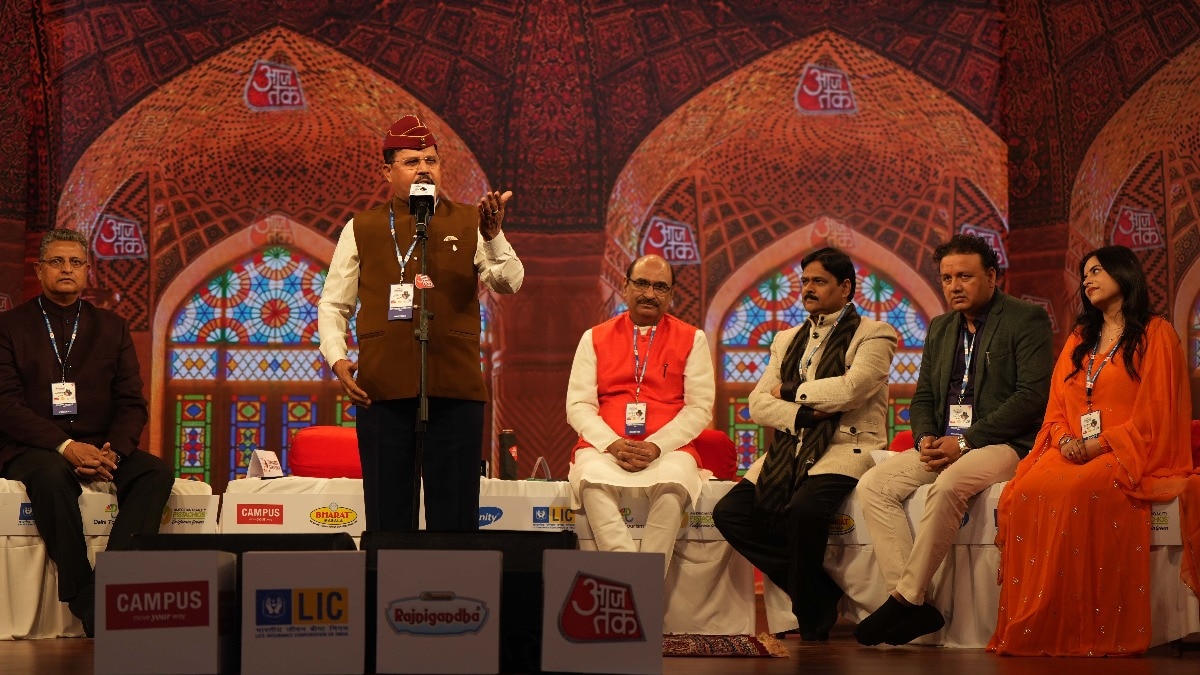
Patriotism and Verse: India’s ‘Sahitya Aajtak’ Celebrates Valor and National Identity
NEW DELHI – The annual ‘Sahitya Aajtak’ literary festival ignited with a powerful display of patriotism and poetic fervor at the Major Dhyan Chand National Stadium in the Indian capital. The opening day of the event, a cornerstone of India’s literary calendar, was dominated by a stirring ‘veer ras’ (heroic poetry) session, resonating with themes of courage, sacrifice, and national pride. The event, which draws prominent writers, poets, and thinkers, unfolded against a backdrop of a vibrant, late-afternoon sky, mirroring the intensity of the performances within.
A Stage for Soldiers and Verse
The festival’s ‘Dastak Darbar’ stage became a focal point for honoring India’s armed forces and celebrating its national spirit. The “Operation Sindoor – Veer Ras Kavi Sammelan” (Heroic Poetry Conference) featured a lineup of acclaimed poets who captivated the audience with verses dedicated to the bravery of soldiers and the enduring strength of the nation. The hall repeatedly erupted in applause and chants of “Bharat Mata ki Jai” (Victory to Mother India) and “Vande Mataram” (Praise to the Motherland).
The event comes at a time when India is increasingly focused on bolstering its defense capabilities and recognizing the contributions of its military personnel. According to the Stockholm International Peace Research Institute (SIPRI), India is among the top five global military spenders, allocating $83.6 billion to its defense budget in 2022 – a significant increase reflecting regional security concerns and modernization efforts.
Voices from the Borderlands
Colonel V.P. Singh, a veteran and poet, commanded the stage with a commanding presence, immediately establishing himself as both a literary figure and a defender of the nation. He delivered a powerful message, stating, “We are not a people who bow down to speak.” Singh’s words resonated with a raw honesty, acknowledging the pain of loss while emphasizing the unwavering spirit of those who serve. He poignantly observed that while society may momentarily remember sacrifices, the inner fire of soldiers never truly diminishes.
His poetry, delivered with palpable emotion, explored themes of fleeting remembrance and enduring resolve:
“Rakt mein uphaan tha bas char din
Harkahin tufaan tha bas char din
Bhool saare bhed saare fasle saath
Hindushtaan tha bas char din”
(Translation: “There was a surge of blood for just four days, a storm everywhere for just four days… India was ours for just four days.”)
Singh didn’t shy away from addressing contemporary challenges, condemning terrorism and calling for decisive action against those who harbor hostile intentions. His verses were a call to arms, a declaration that India would not tolerate threats to its sovereignty.
Beyond Valor: A Tapestry of National Identity
Commander Samod Singh’s contribution centered on “Operation Sindoor,” recounting the courage displayed during a military operation. His poetry painted a vivid picture of a soldier’s disciplined life, unwavering dedication, and profound patriotism. He highlighted the precision and bravery involved in dismantling enemy bunkers, celebrating the operation as a triumph of justice.
Other poets, such as Madan Mohan Samar, explored the themes of national unity and religious harmony, reciting verses that emphasized the shared heritage of India’s diverse population. His lines, “Apni nishtha ek hai apna ek vidhan, Pahle maati desh ki, phir Allah Bhagwan” (Our loyalty is one, our system is one, first the soil of the country, then Allah and God), underscored the importance of inclusivity and shared values.
Kavita Tiwari, known for her fiery patriotism, ignited the stage with verses celebrating the strength of Indian women and the sacrifices made by soldiers. Her poetry was a powerful tribute to the spirit of ‘Bharat Mata’ (Mother India), invoking images of goddesses and warriors.
Addressing Internal Challenges
The festival wasn’t solely focused on external threats. Poet Vineet Chauhan delivered a particularly impactful performance, directly addressing issues of internal security and questioning recent lapses. He even pointedly questioned the role of medical professionals potentially linked to terrorist activities, sparking a moment of uncomfortable but necessary reflection. Chauhan’s verses served as a stark reminder that vigilance and accountability are crucial in safeguarding national security.
“Aatanki kaise ghus aaye Lahori darbaron se?
Lagta hai kuch chook hui hai apne pahredaron se” (How did terrorists infiltrate from the Lahore courts? It seems there was a lapse on the part of our guards.)
The ‘Sahitya Aajtak’ festival, in its celebration of ‘veer ras’ and national identity, offered a powerful platform for dialogue and reflection. It served as a reminder of the sacrifices made to protect India’s sovereignty and the importance of upholding its values in a rapidly changing world. The event’s success underscores the enduring power of poetry to inspire, unite, and challenge – a testament to the vital role of literature in shaping national consciousness. As the United Nations Sustainable Development Goal 16 emphasizes, promoting peaceful and inclusive societies is essential for sustainable development, and events like ‘Sahitya Aajtak’ contribute to fostering a sense of national unity and shared purpose.