PKK Halts Peace Steps, Demands Ocalan’s Release & Kurdish Recognition
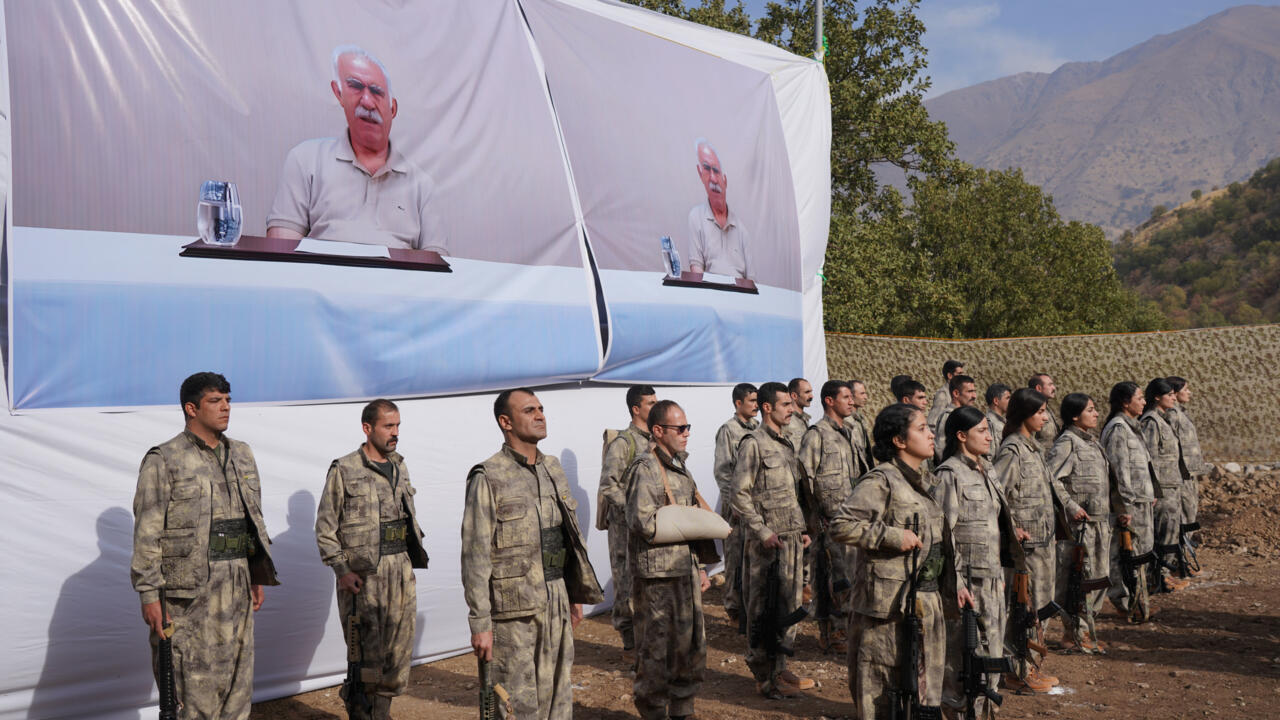
Kurdistan Workers’ Party Pauses Peace Steps, Demands Ocalan’s Freedom and Kurdish Recognition
QANDIL MOUNTAINS, IRAQ – A decades-long conflict between Turkey and the Kurdistan Workers’ Party (PKK) has reached a critical juncture. A senior PKK commander has declared the group will halt further concessions in the ongoing peace process, placing the onus squarely on Ankara to demonstrate commitment through concrete actions. The primary demands? The release of Abdullah Ocalan, the imprisoned founder of the PKK, and official recognition of Kurdish identity within Turkey’s constitution.
A Pause Born of Unilateral Movement
Speaking from a bunker in the remote Qandil mountains of northern Iraq, commander Amed Malazgirt told Agence France-Presse that the PKK has already fulfilled its initial obligations. “All the steps the leader Apo has initiated have been implemented… there will be no further actions taken,” he stated, referring to Abdullah Ocalan by his widely used nickname. This declaration follows a series of unprecedented moves by the PKK in recent months, including formally renouncing armed struggle in May and symbolically dismantling its weaponry in a ceremony meant to signal its dedication to a peaceful resolution.
The PKK’s recent withdrawal of forces from Turkish soil into northern Iraq, completed earlier this month, was another significant step. Malazgirt affirmed the group’s commitment to non-violence, stating, “We have committed to not using weapons against the Turkish state.” However, this progress, the commander insists, requires reciprocal action from Turkey. The current parliamentary commission established by Ankara to lay the legal groundwork for integrating the PKK and its fighters is viewed as a “positive move,” but insufficient on its own.
Ocalan: The Linchpin of Peace
The fate of Abdullah Ocalan, who has been held in solitary confinement on Imrali island since 1999, looms large over the entire process. The PKK views his freedom not merely as a political demand, but as a fundamental prerequisite for lasting peace. “Without this, the process will not succeed,” Malazgirt emphasized. This sentiment was echoed by female senior commander Serda Mazlum Gabar, who powerfully stated, “As long as the leadership is inside, the Kurdish people cannot be free. Nor can we, as guerrillas, feel free.”
Ocalan, now 76, has been a key figure in steering the peace process from his isolated cell. His February call for PKK militants to disarm and pursue democratic avenues for Kurdish rights was instrumental in initiating the current dialogue. Recent visits by Turkish lawmakers to Ocalan represent a tentative opening for communication, but the PKK demands more than just visits – they demand his release.
Beyond Disarmament: The Quest for Recognition
The PKK’s demands extend beyond Ocalan’s freedom. The group is also seeking constitutional and official recognition of the Kurdish people within Turkey. This demand speaks to a long history of cultural and political marginalization faced by the Kurdish minority in Turkey, a situation that has fueled decades of conflict. According to a report by Minority Rights Group International, Kurds in Turkey continue to face discrimination in areas such as language rights, political participation, and economic opportunities.
The struggle for Kurdish rights is not simply about political autonomy; it’s deeply intertwined with questions of identity and cultural preservation. Gabar articulated this powerfully, stating, “The guerrilla is also the prototype of free life, the prototype of free humans, the prototype of free women.” This suggests that even if a formal ceasefire is achieved, the underlying desire for self-determination and cultural recognition will remain a driving force.
A Conflict’s Heavy Toll and a Fragile Hope
The conflict between Turkey and the PKK has been devastating, claiming an estimated 50,000 lives over decades. The potential for a lasting peace is significant, but the path forward is fraught with challenges. Turkey’s internal political dynamics, coupled with regional complexities, add layers of uncertainty to the process.
The current situation is reminiscent of other protracted conflicts where the release of key leaders has been pivotal in achieving breakthroughs. The Good Friday Agreement in Northern Ireland, for example, included provisions for the early release of paramilitary prisoners. However, the Turkish context is unique, with a deeply entrenched history of mistrust and a complex web of political interests at play.
As the PKK awaits Turkey’s next move, the international community watches with cautious optimism. The success of this peace process could not only end decades of bloodshed but also serve as a model for resolving other conflicts rooted in ethnic and political grievances. The stakes are high, and the future of peace in Turkey and the wider region hangs in the balance. According to the World Bank, Turkey’s economic growth is projected at 3.2% for 2024, but sustained peace and stability are crucial for unlocking its full economic potential and improving the lives of all its citizens.