Peru 2026 Budget Approved: Education, Health & Security Prioritized
Peru Prioritizes Social Spending with Approval of $257 Million 2026 Budget
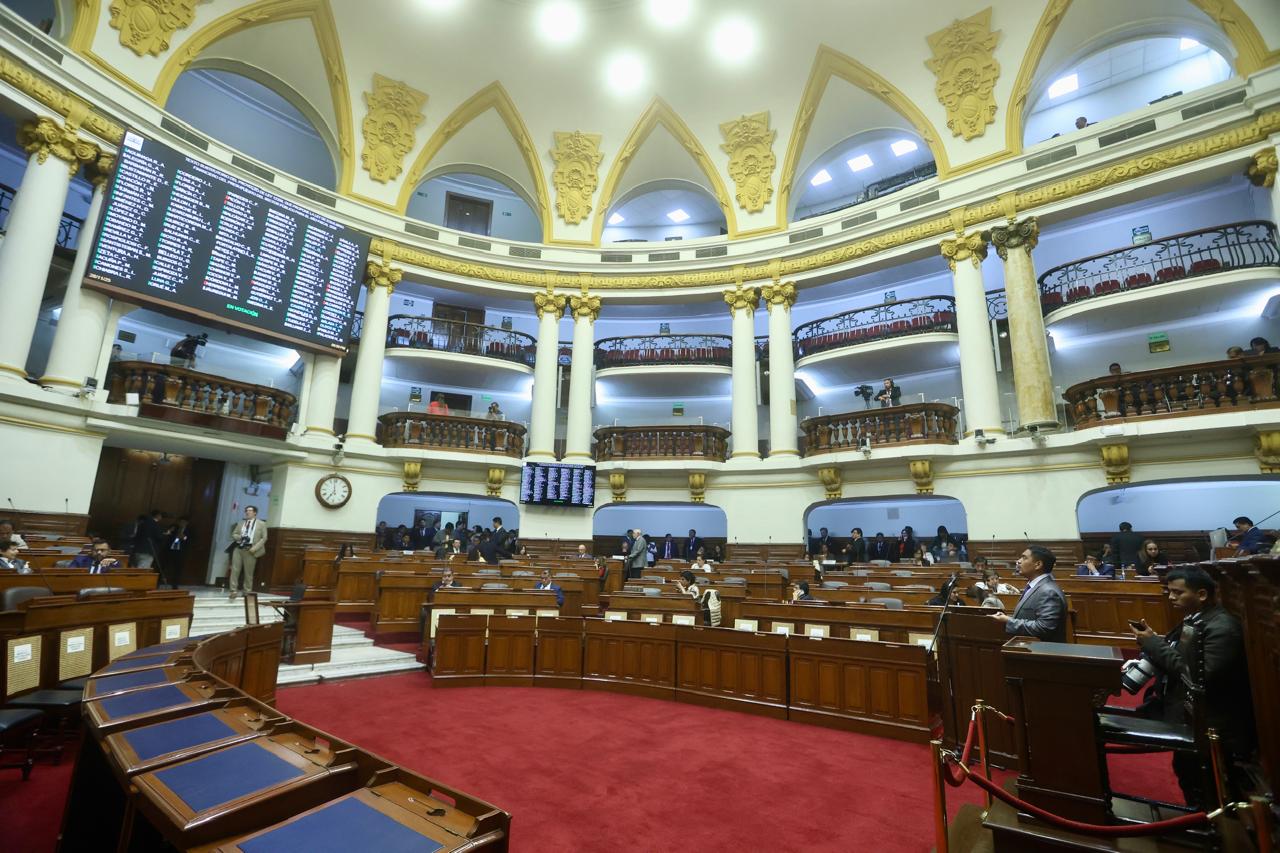
LIMA – Peru’s Congress has overwhelmingly approved the 2026 Public Sector Budget, allocating over $257.561 million (S/ 257, 561 millones) to key sectors including education, health, sanitation, and citizen security. The vote, passing with 100 in favor, 12 against, and one abstention, signals a commitment to bolstering essential public services and addressing social vulnerabilities.
The approved budget represents a significant investment in the nation’s future, aiming to improve the quality of life for citizens across the country. A core principle guiding the allocation is a “results-based budgeting” approach, ensuring funds are directed towards programs with measurable outcomes.
Strengthening Social Safety Nets
A substantial portion of the budget – $542.6 million – is earmarked for the Program for the Reduction of Violence against Women. This funding will be used to enhance prevention, care, and protection services for vulnerable populations, reflecting a growing national focus on gender equality and safety.
Citizen security also receives a considerable boost, with a conditional transfer of $50 million allocated to the Ministry of the Interior’s Program 0030. These resources will be strategically deployed to reduce crime rates and improve public safety, with strict accountability measures in place to ensure effective implementation.
Addressing Healthcare Workforce Challenges
In a move aimed at stabilizing the healthcare system, the budget authorizes the full-time appointment of all contracted healthcare personnel (CAS status) employed as of July 31, 2022, within the Ministry of Health (MINSA) and regional health units. This decision addresses long-standing concerns about job security within the healthcare sector and is expected to improve morale and service delivery.
Investing in Innovation and Education
Recognizing the importance of long-term economic growth, the budget also prioritizes science, technology, and innovation. Resources will be channeled to institutions like CONCYTEC, PROCiencia, INGEMMET, and PROInnóvate to support national policies, promote scientific activities, and strengthen technical capabilities within the government.
The education sector will benefit from increased flexibility, with the Ministry of Education authorized to reallocate up to $100.7 million to regional government units. These funds will be directed towards improving access to education, supporting students with disabilities, enhancing teacher training, and upgrading technological infrastructure. Importantly, the budget stipulates that these funds cannot be used for hiring additional personnel, ensuring they are focused on tangible improvements to educational resources.
A Collaborative Effort
Prime Minister Ernesto Álvarez emphasized the collaborative nature of the budget process, acknowledging the contributions of both the previous administration and current government officials. “This budget was made possible through intense dialogue and compromise,” Álvarez stated. “It reflects the art of the possible in a democratic society.”
The approval of the 2026 budget marks a crucial step forward in Peru’s economic planning, providing a framework for public investment and the delivery of essential services. As the country navigates ongoing economic and social challenges, this budget represents a commitment to prioritizing the well-being of its citizens and building a more prosperous future.
Key Budget Allocations:
- Education: Increased funding for regional units, focused on access, inclusion, and technology.
- Healthcare: Full appointment of contracted personnel, aiming for workforce stability.
- Citizen Security: $50 million transfer to reduce crime and improve public safety.
- Violence Against Women: $542.6 million for prevention, care, and protection programs.
- Science & Technology: Investment in key institutions to drive innovation.