Pentagon to Welcome Right-Wing Media After Mainstream Exodus
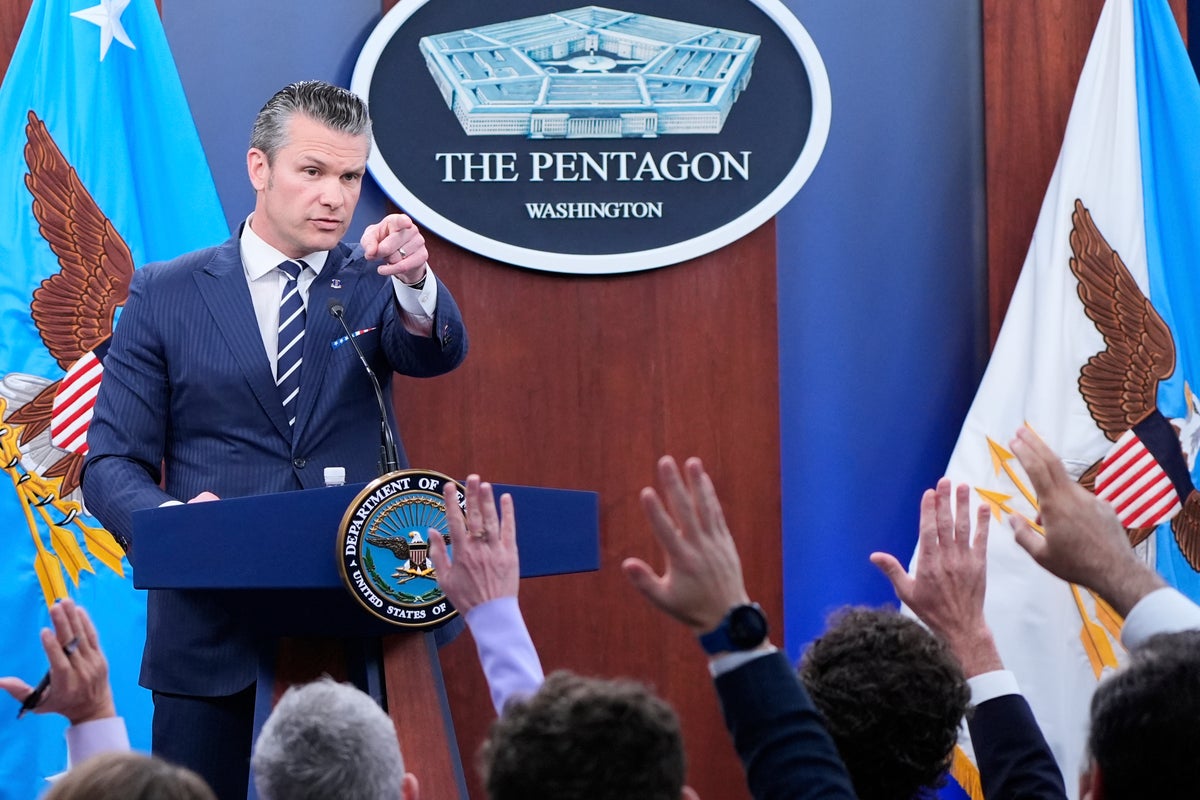
Pentagon Opens Doors to Right-Wing Media Amidst Press Freedom Concerns
WASHINGTON – In a move that has ignited a fresh debate over press freedom and access, the Pentagon is set to welcome a cohort of right-wing media outlets next week, a stark contrast to the mass departure of mainstream news organizations earlier this year. The shift comes after Defense Secretary Pete Hegseth implemented new reporting restrictions that prompted a widespread protest from established journalistic institutions.
A Walkout and a New Guard
The story began six weeks ago when dozens of journalists, representing nearly every major news organization, dramatically relinquished their Pentagon press badges. Their decision wasn’t a protest against a lack of access, but rather a refusal to comply with rules they deemed an infringement on First Amendment rights. The core of the dispute centers on a ban prohibiting reporters from soliciting information – even unclassified – from government employees without explicit prior authorization from the Pentagon. This, critics argue, effectively neuters the ability of the press to independently verify information and hold the government accountable.
The Pentagon Press Association, representing around 100 journalists, swiftly condemned the policy as an “unprecedented message of intimidation” and called for its immediate reversal. The exodus left a void, currently filled by approximately 15 remaining reporters, but now being actively reshaped by a new wave of media organizations.
Shifting Allegiances and a New Media Landscape
The outlets slated to attend next week’s events include One America News (OAN), a pro-Trump cable channel; The Federalist, a right-wing website; The Epoch Times, an ultra-conservative newspaper with ties to the Falun Gong movement; and others. Notably, the list also includes far-right activist Laura Loomer, known for her anti-Islamist views, and Turning Point USA, the conservative advocacy group co-founded by Charlie Kirk. The Daily Signal, host of The Ben Shapiro Show, and Tim Pool’s Timcast are also expected to participate.
This realignment isn’t simply about filling empty seats. It represents a deliberate shift in the Pentagon’s media engagement strategy, one that appears to favor outlets aligned with a specific political ideology. The move raises concerns about the potential for biased reporting and the erosion of journalistic independence within the coverage of the U.S. Department of Defense.
A Global Context of Press Freedom
The situation at the Pentagon reflects a broader, global trend of increasing restrictions on press freedom. According to Reporters Without Borders’ 2023 World Press Freedom Index, the situation is “extremely worrying” with a two-thirds majority of countries showing deterioration. In fact, 73% of the world’s population lives in a country with limited or no press freedom – a sobering statistic that underscores the fragility of this fundamental right. The United States, while still considered to have a relatively free press, has seen its ranking decline in recent years, partly due to increasing polarization and attacks on journalists.
This isn’t merely an American issue. From the imprisonment of journalists in Turkey and Egypt to the escalating violence against reporters in Ukraine and Myanmar, the challenges facing the media are multifaceted and geographically diverse. The Pentagon’s actions, while occurring within a domestic context, contribute to this global pattern of eroding press freedoms.
Hegseth’s Approach and the Future of Pentagon Reporting
Since assuming his role, Hegseth, a former Fox News host, has been criticized for limiting access to information and curtailing traditional press interactions. He has held only two official press briefings and implemented measures such as requiring escorts for reporters accessing many parts of the Pentagon and launching investigations into media leaks. He defends his new rules as “common sense,” arguing that the requirement for journalists to acknowledge them, even if they don’t agree, is sufficient.
However, this justification rings hollow to many in the press corps. The restrictions, coupled with the welcoming of partisan outlets, raise serious questions about the Pentagon’s commitment to transparency and its willingness to engage with a diverse range of journalistic perspectives. The Independent has reached out to the Department of Defense for comment on the upcoming events and the list of attending outlets, but has yet to receive a response.
The coming weeks will be crucial in determining the long-term impact of these changes. Will the Pentagon’s embrace of right-wing media lead to a more favorable portrayal of its policies? Will the mainstream press continue to challenge the new restrictions, or will they be forced to adapt? The answers to these questions will not only shape the future of Pentagon reporting but also contribute to the broader global conversation about the role of the press in a democratic society.