Pentagon Investigates Mark Kelly Over Military Order Video: Legal Experts Weigh In
Pentagon Scrutiny of Senator Kelly Sparks Legal Debate Over Military Justice Reach
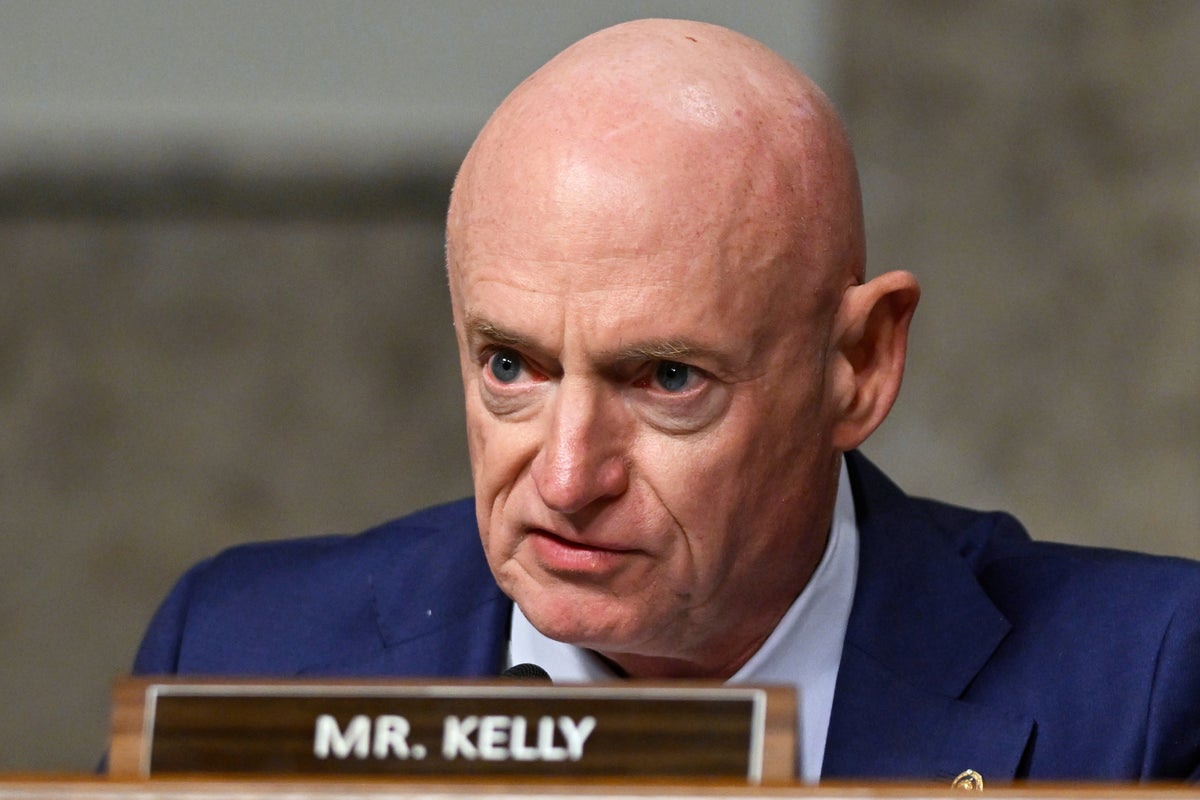
WASHINGTON – A Pentagon investigation into Senator Mark Kelly, stemming from a video urging service members to question potentially unlawful orders, has ignited a fierce debate among legal experts over the scope of military jurisdiction and the constitutional protections afforded to members of Congress. The inquiry, triggered by a social media post from former President Donald Trump accusing Kelly and five other Democratic lawmakers of “sedition,” raises complex questions about the balance between military discipline, free speech, and the separation of powers.
A Retired Officer, Still Under Review?
At the heart of the controversy lies the Pentagon’s assertion that Kelly, a retired Navy fighter pilot, remains subject to the Uniform Code of Military Justice (UCMJ) due to his continued receipt of retirement pay. Defense Secretary Pete Hegseth has publicly stated this is the reason Kelly is being investigated while the other lawmakers in the video are not. However, this justification is being widely challenged.
“It’s not totally unheard of,” explains Todd Huntley, a retired Navy captain and judge advocate general, now directing Georgetown’s national security law program. He recounts prosecuting a retired service member 16 years after their discharge for assaulting their adopted daughter, citing a lack of other jurisdictional avenues. However, Huntley acknowledges that pursuing a case based on post-retirement speech is “rare.”
The broader context reveals a growing trend. According to Georgetown University law professor Stephen Vladeck, there’s been a “significant uptick” in courts-martial of retired service members over the past decade, though these prosecutions remain relatively infrequent – roughly a dozen across all branches in recent years. There are approximately 2 million formally retired military personnel receiving retirement pay, according to a Congressional Research Service report, highlighting the potential for broad implications if the Pentagon’s interpretation of jurisdiction is upheld.
First Amendment Concerns and Legislative Independence
Critics argue the Pentagon is overstepping its bounds, potentially infringing on Kelly’s First Amendment rights and undermining the independence of the legislative branch. Colby Vokey, a civilian military lawyer and former military prosecutor, contends that Hegseth misinterprets the UCMJ, asserting that the Pentagon has personal jurisdiction over Kelly due to his retirement pay, but lacks subject matter jurisdiction because Kelly made the statements as a senator.
“Applying military law to a retired service member and assuming that means every offense ever is kind of a ridiculous conclusion,” Vokey argues, positing a hypothetical scenario of prosecuting a 100-year-old World War II veteran for stealing a candy bar. This sentiment is echoed by Patrick McLain, a retired Marine Corps judge and federal prosecutor, who finds the investigation into Kelly “wackadoodle,” particularly given its focus on exercising free speech.
Constitutional law professor Anthony Michael Kreis of Georgia State University emphasizes the historical basis for protecting legislative independence. “Having a United States senator subject to discipline at the behest of the secretary of defense and the president—that violates a core principle of legislative independence,” Kreis stated. This protection stems from a reaction to the British monarchy’s arbitrary punishment of Parliament members.
The Core of the Message: Lawful vs. Unlawful Orders
The video in question, featuring Kelly and other Democratic lawmakers, did not advocate for outright defiance of orders. Instead, it clarified the legal obligation of service members to reject unlawful commands – a principle deeply rooted in military law and international jurisprudence. The “Nuremberg defense” – the claim that one was simply following orders – has been repeatedly rejected by international courts, including those established after World War II, underscoring the individual responsibility of service members to assess the legality of directives.
The Former JAGs Working Group, a collective of former military lawyers, released a statement affirming that Kelly did not violate the UCMJ, stating the video “simply described the law as it pertains to lawful versus unlawful orders” and did not encourage mutiny or disobedience.
A Political Flashpoint in a Polarized Climate
The timing of the investigation, following Trump’s accusation of sedition, has fueled accusations of political motivation. Kelly himself has dismissed the inquiry as the work of “bullies,” vowing to continue holding the administration accountable. Michael O’Hanlon, director of research at the Brookings Institution, believes any case brought against Kelly would likely be dismissed or result in acquittal, calling it politically unwise to “wave a red flag in front of the bull.”
The case arrives at a moment of heightened political tension, with ongoing debates about the role of the military in domestic affairs. According to a Pew Research Center study conducted in July 2023, 78% of Americans have confidence in the military, but views are increasingly polarized along party lines. This underscores the sensitivity surrounding any perceived politicization of military justice.
Ultimately, the Pentagon’s investigation into Senator Kelly represents a critical test of the boundaries of military jurisdiction and the constitutional safeguards protecting the independence of the legislative branch. The outcome will likely have lasting implications for the relationship between the military and civilian leadership, and for the rights of retired service members who choose to engage in public discourse.