Penny Oleksiak: Canada’s Olympic Star Banned for Doping Violation
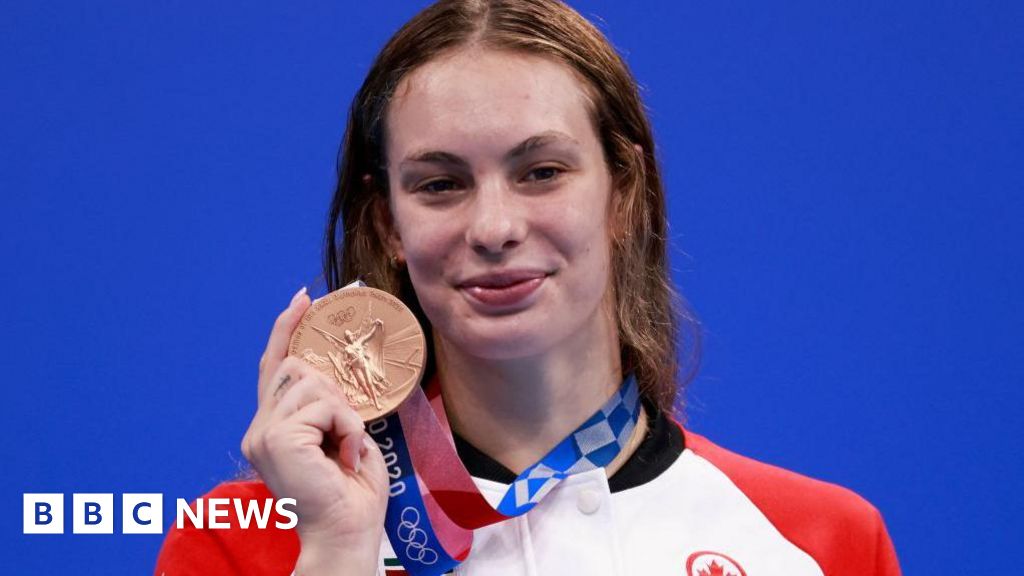
Oleksiak Accepts Two-Year Ban for Anti-Doping Violation, Future Olympic Bid Remains Open
TORONTO – Penny Oleksiak, Canada’s most decorated Olympian, will be sidelined from competition for two years following a violation of anti-doping regulations, the International Testing Agency (ITA) announced Tuesday. The ban stems from three “whereabout failures” – instances where Oleksiak was unavailable for testing at the location and time specified in her filings, a critical component of maintaining a clean sport environment. While the case doesn’t involve a positive drug test, the strict liability principle within the World Anti-Doping Code necessitates a sanction for repeated failures to comply with testing protocols.
The ‘Whereabout’ Rule and its Impact
The “whereabout” rule, implemented to enhance the effectiveness of out-of-competition testing, requires athletes to submit their daily location and a one-hour window of availability for drug testing. This system, while designed to deter doping, has proven challenging for athletes with demanding training and travel schedules. Three missed tests within an 18-month period trigger an anti-doping rule violation, regardless of intent. Oleksiak’s case highlights the complexities of navigating these regulations, even for athletes committed to clean competition. Swimming Canada CEO Suzanne Paulins acknowledged the inadvertent nature of the errors, stating, “While we accept Penny’s explanation these were inadvertent errors and she has not used banned substances, anti-doping regulations are in place to ensure a level playing field for all athletes.”
The implications extend beyond Oleksiak’s individual career. Her absence will be keenly felt by the Canadian national team, particularly as they prepare for major international competitions. Canada has consistently been a strong force in swimming, and Oleksiak’s leadership and medal-winning potential are significant. According to Statista, swimming is one of the most popular sports in Canada, with over 2.4 million participants, and Oleksiak’s profile has been instrumental in driving interest and participation in the sport.
A Career Defined by Early Success and Continued Growth
Oleksiak burst onto the international scene at the 2016 Rio Olympics, becoming Canada’s youngest Olympic champion at just 16 years old. She secured a gold medal in the 100m freestyle, alongside four silver and bronze medals, instantly becoming a national icon. Her success in Rio wasn’t merely a flash in the pan; she continued to excel, adding further medals to her tally at the 2020 Tokyo Olympics, bringing her total to seven – the most of any Canadian Olympian.
Her versatility is a key strength. Oleksiak isn’t a specialist in one particular stroke or distance; she’s a capable performer across a range of events, making her a valuable asset in relay teams. This adaptability, however, also adds to the logistical challenges of adhering to the “whereabout” rule, as her training schedule can be unpredictable. Her personal best time in the 100m freestyle is 52.70 seconds, a testament to years of dedicated training and a natural aptitude for the sport.
Looking Ahead: Los Angeles 2028 and Beyond
The two-year suspension means Oleksiak will be eligible to return to competition in July 2027, leaving the door open for a potential appearance at the 2028 Los Angeles Olympics. At 25, she will still be in her athletic prime, and a focused return could see her challenge for further medals. However, the competitive landscape in swimming is constantly evolving, and she will face stiff competition from emerging talents.
The incident raises broader questions about the effectiveness and fairness of the “whereabout” rule. While intended to deter doping, it can disproportionately impact athletes with complex schedules and limited control over their daily routines. The World Aquatics (formerly FINA), the international governing body for aquatic sports, will likely face renewed calls to review the rule and explore potential modifications to ensure it’s both effective and equitable. The current system, while stringent, requires athletes to be meticulously organized and proactive in their compliance efforts.
Oleksiak’s case serves as a stark reminder of the rigorous demands placed on elite athletes, not only in terms of physical performance but also in navigating the complex world of anti-doping regulations. Her commitment to clean sport, as emphasized in her previous statement, underscores the importance of upholding the integrity of competition while also ensuring fairness and understanding for those who inadvertently fall foul of the rules. The focus now shifts to her preparation for a return to the pool and a potential bid for further Olympic glory.
Editor’s note: Original story included a statement from Swimming Canada.