Oscars to Stream Exclusively on YouTube Starting in 2029
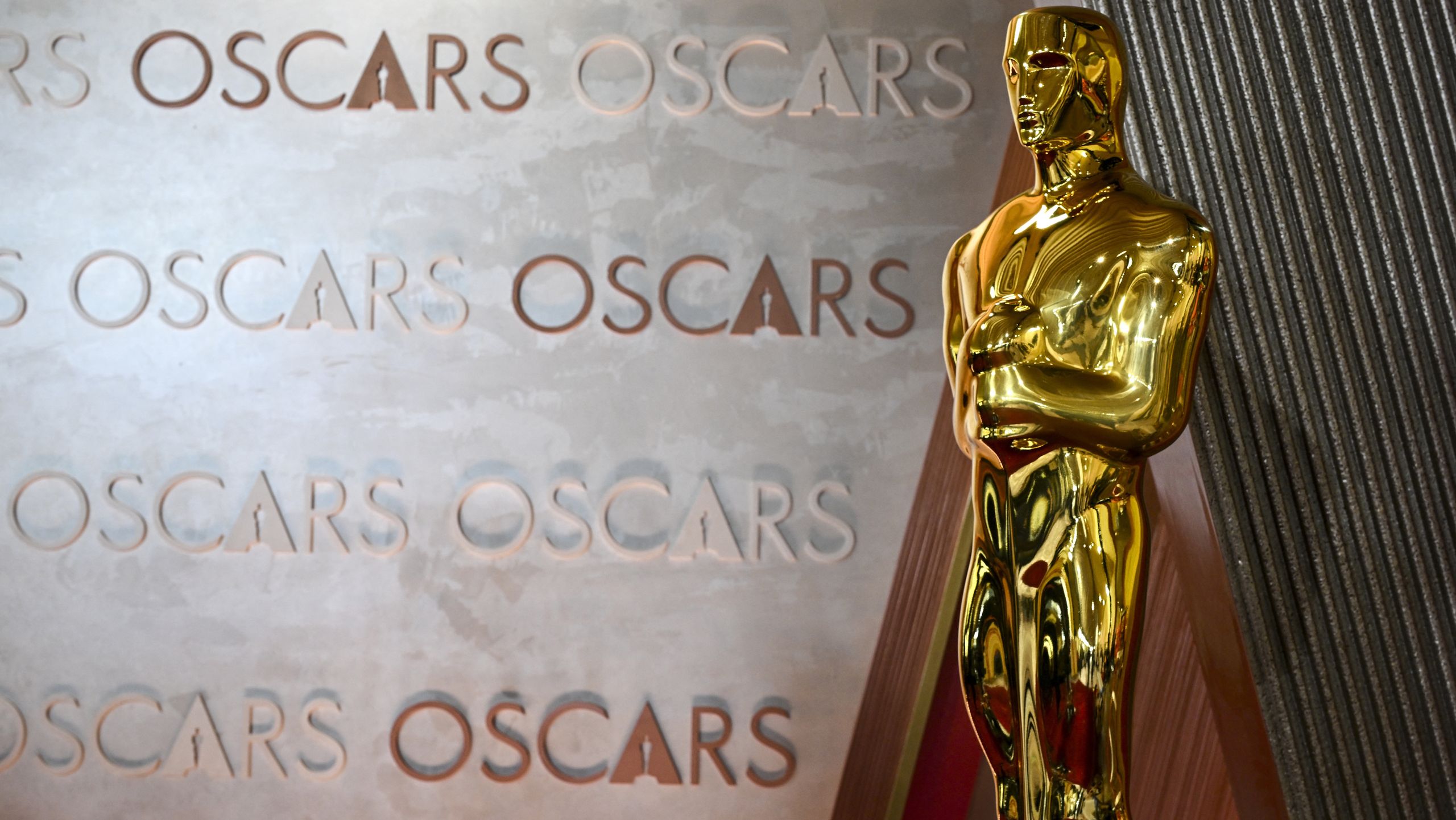
The Oscars Go Viral: Academy Partners with YouTube in Landmark Streaming Deal
In a move signaling a seismic shift in how Hollywood’s biggest night will be experienced, the Academy of Motion Picture Arts and Sciences has announced an exclusive, multi-year partnership with YouTube to become the global home of the Oscars, beginning with the 2029 ceremony. The deal extends far beyond the live broadcast, encompassing red carpet coverage, behind-the-scenes access, and a wealth of Academy-related content available year-round on the platform.
A New Era for Hollywood’s Night of Nights
The decision to place the Oscars on YouTube, a platform often associated with user-generated content and individual creators, represents a bold bet on the future of entertainment consumption. For decades, the ceremony has been a cornerstone of traditional television broadcasting, primarily on ABC. This transition acknowledges the increasingly fragmented media landscape and the growing dominance of streaming services. It’s a recognition that audiences, particularly younger demographics, are consuming content in fundamentally different ways.
“We are thrilled to enter into a multifaceted global partnership with YouTube to be the future home of the Oscars and our year-round Academy programming,” said Academy CEO Bill Kramer and Academy President Lynette Howell Taylor in a joint statement. “The Academy is an international organization, and this partnership will allow us to expand access to the work of the Academy to the largest worldwide audience possible—which will be beneficial for our Academy members and the film community.”
Beyond the Broadcast: A Digital Film Hub
The partnership isn’t simply about relocating the live broadcast. YouTube will become a central hub for all things Academy, offering exclusive access to events like the Governors Awards, the Oscars Nominations Announcement, and the Student Academy Awards. Furthermore, the deal includes access to film education programs, podcasts, and interviews with Academy members and filmmakers. Perhaps most significantly, Google Arts & Culture will collaborate to digitize components of the Academy Collection, a vast archive containing over 52 million film-related items. This digitization effort promises to unlock a treasure trove of film history for researchers, enthusiasts, and the general public.
This focus on accessibility and archival preservation is a key element of the agreement. The Academy Collection, encompassing everything from scripts and costumes to photographs and posters, represents an unparalleled resource for understanding the art and history of filmmaking. Making this collection digitally accessible will undoubtedly foster a deeper appreciation for the craft and inspire future generations of filmmakers.
YouTube’s Ascent and the Shifting Television Landscape
YouTube CEO Neal Mohan has repeatedly positioned the platform as the new television, and this partnership with the Academy lends considerable weight to that claim. In February, Mohan stated that YouTube now boasts over 1 billion daily television viewers, a staggering figure that underscores the platform’s growing reach. This shift is further evidenced by the fact that, according to Statista, the average US consumer spends over 21 hours per week streaming video content, surpassing traditional television viewership.
However, the transition isn’t without potential challenges. While YouTube’s reach is undeniable, the platform’s reputation for intrusive advertising and content moderation issues could raise concerns among some viewers. The Academy will need to work closely with YouTube to ensure a premium viewing experience that aligns with the prestige of the Oscars. There’s also the question of audience demographics. While YouTube attracts a broad audience, the Oscars traditionally appeal to an older, more established viewership. Successfully bridging that gap will be crucial to maintaining the ceremony’s cultural relevance.
A Gamble on Accessibility and a New Generation of Film Fans
The move to YouTube is, in essence, a gamble on accessibility. The Academy hopes to reach a wider, more diverse audience by leveraging YouTube’s global reach and its appeal to younger viewers. This strategy aligns with the broader industry trend of embracing streaming platforms to connect with new audiences. Netflix, Amazon Prime Video, and Disney+ have all become major players in the film and television landscape, demonstrating the viability of streaming as a primary distribution channel.
The partnership also reflects a growing recognition that the Oscars are not just a three-hour television broadcast, but a year-round celebration of cinematic achievement. By expanding its presence on YouTube, the Academy aims to cultivate a more engaged and informed film community, fostering a deeper appreciation for the art of filmmaking. Whether this gamble will pay off remains to be seen, but it’s clear that the Oscars are entering a new era, one defined by digital innovation and a commitment to reaching audiences wherever they are.