Nigeria: Church Attack – Pastor & Worshippers Kidnapped, 3 Killed
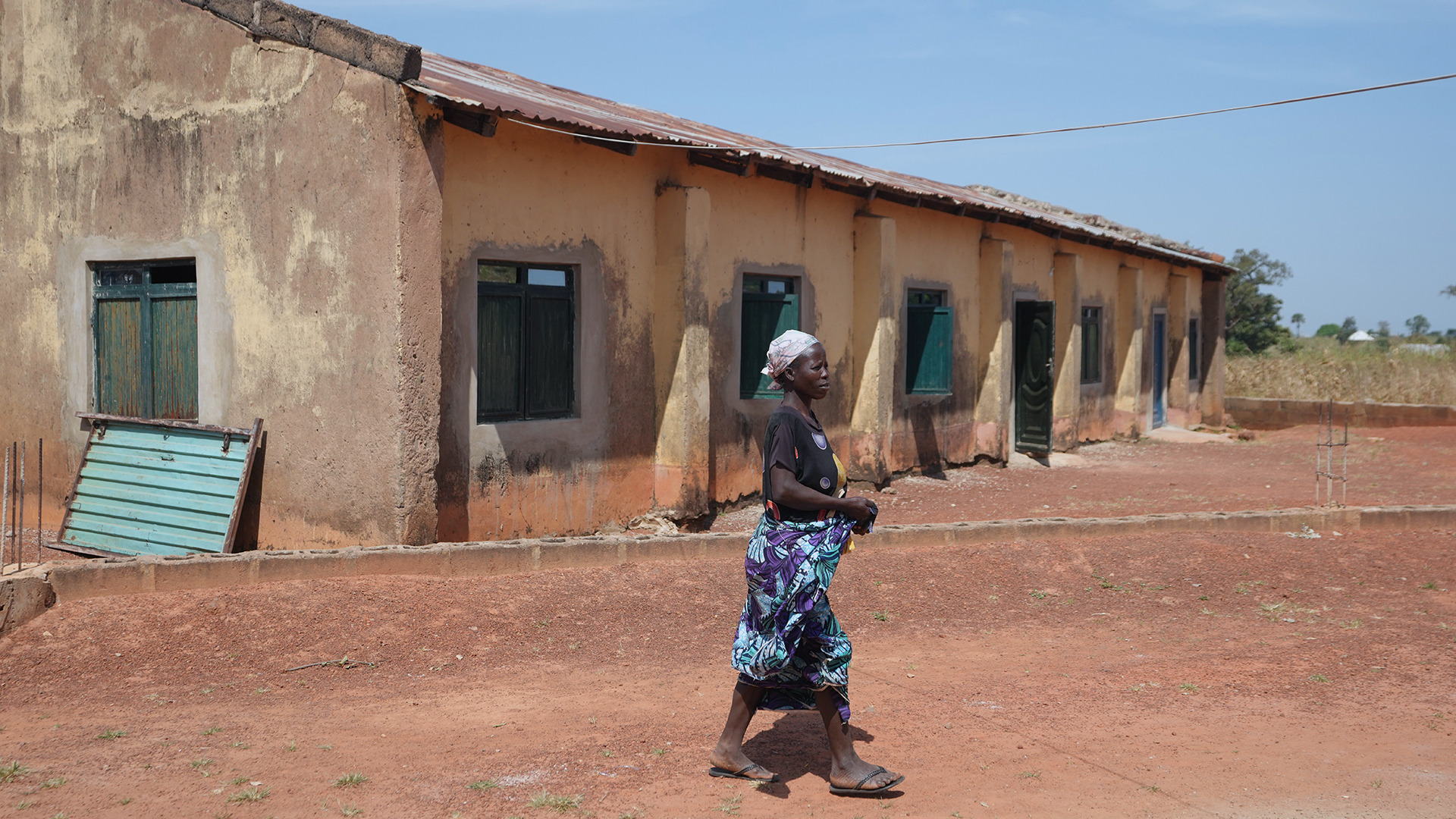
Nigeria Grapples with Escalating Violence as Church Attack Fuels Fears of Widespread Religious Persecution
ERUKU, Nigeria – The fragile peace in Nigeria’s Kwara state shattered Tuesday evening as armed men stormed a Christ Apostolic Church (CAC) during a prayer meeting, leaving at least three worshippers dead and an unknown number kidnapped, including the church’s pastor. The attack, coming on the heels of the abduction of 25 girls from a boarding school in the north, underscores a disturbing trend of escalating violence targeting Christians and other vulnerable groups across the nation.
Witnesses described a scene of chaos as gunfire erupted, sending congregants scrambling for safety. Joseph Bitrus, a church member, recounted the harrowing experience to Reuters by phone, explaining how those unable to escape were rounded up and forced into the surrounding bush. “They later rounded up some worshippers, including the pastor, and took them into the bush,” he said, unable to confirm the exact number of those seized. The attackers reportedly utilized established routes favored by armed groups operating across the Ekiti, Oke-Ero, and Kogi state borders, highlighting the porous security situation in the region.
The Kwara State Police spokesperson, Adetoun Ejire-Adeyemi, confirmed the deaths of two individuals – one inside the church and another nearby – and stated that an investigation is underway. However, the lack of immediate arrests and the swift escape of the perpetrators raise concerns about the authorities’ capacity to effectively address the growing insecurity. Families are desperately searching for their missing loved ones, adding to the climate of fear and uncertainty.
A Pattern of Targeted Violence
This latest incident isn’t isolated. Nigeria has become increasingly recognized as a hotspot for religious persecution, particularly against Christians. According to Open Doors’ 2025 World Watch List, Nigeria ranks among the most dangerous countries in the world for Christians. The organization’s recent report estimates that of the 4,476 Christians killed globally for their faith, a staggering 69% – approximately 3,100 – occurred in Nigeria. This represents a significant increase in violence compared to previous years.
The violence is often attributed to a complex interplay of factors, including longstanding ethnic and religious tensions, competition for resources, and the presence of extremist groups. Fulani militants, often described as nomadic herders, have been repeatedly implicated in attacks on predominantly Christian communities, frequently involving killings, looting, and the destruction of property. Father George Dogo, of the Holy Family Parish in Takum, Taraba State, described his church being “ransacked” by Fulani militants, resulting in three deaths and the displacement of over 26,000 people. “What I want the world to know is that there is genocide taking place,” he told CBN News, emphasizing the urgent need for international attention.
The scale of the crisis is immense. Beyond the immediate casualties, thousands have been displaced, losing their homes, livelihoods, and access to basic necessities. Father Dogo poignantly described the plight of survivors: “There are people [who] have no food… No houses. No water. No, nothing.”
Geopolitical Ripples and International Concern
The escalating violence in Nigeria is drawing increasing scrutiny from the international community. The United States, in particular, has voiced concerns and called on the Nigerian government to take decisive action to protect religious minorities. Former President Donald Trump previously called out the Nigerian government, demanding it halt the bloodshed. More recently, at the United Nations, U.S. Ambassador Mike Waltz, alongside rapper Nicki Minaj and faith leaders, spoke out against the persecution of Christians, stating that an entire faith is being “erased one bullet at a time, one torched Bible at a time.”
This international pressure comes as Nigeria struggles to maintain stability amidst a complex web of security challenges. The country is battling multiple insurgencies, including Boko Haram in the northeast and bandit groups in the northwest, further straining its resources and capacity to respond effectively to the growing violence. According to the World Bank, Nigeria’s poverty rate stands at 40%, contributing to social unrest and making communities more vulnerable to recruitment by extremist groups. This economic hardship exacerbates existing tensions and creates a fertile ground for violence.
The Nigerian government, under President Bola Tinubu, has acknowledged the severity of the situation and has taken steps to address it, including the recent deployment of 900 additional troops to Kwara state, as praised by Governor AbdulRahman AbdulRazaq. However, critics argue that these measures are insufficient and that a more comprehensive approach is needed, one that addresses the root causes of the conflict and promotes interfaith dialogue and reconciliation.
The Human Cost and a Plea for Action
The attacks aren’t merely statistics; they represent shattered lives, broken communities, and a growing sense of despair. The recent surge in violence has sparked protests across Nigeria, with demonstrators demanding greater security and accountability from the government. In Taraba state, protestors marched through the streets after five people were killed by Fulani jihadists, calling for increased security patrols and a swift response to distress calls.
The situation demands urgent attention and a concerted effort from both the Nigerian government and the international community. Without a sustained commitment to addressing the underlying causes of the conflict and protecting vulnerable populations, the cycle of violence is likely to continue, further destabilizing Nigeria and jeopardizing the lives of countless innocent people. The world must listen to the pleas of those on the ground, like Father Dogo, who are desperately seeking help to tell their story and end the ongoing tragedy.