Nicusor Dan: First France Visit of Romania’s President
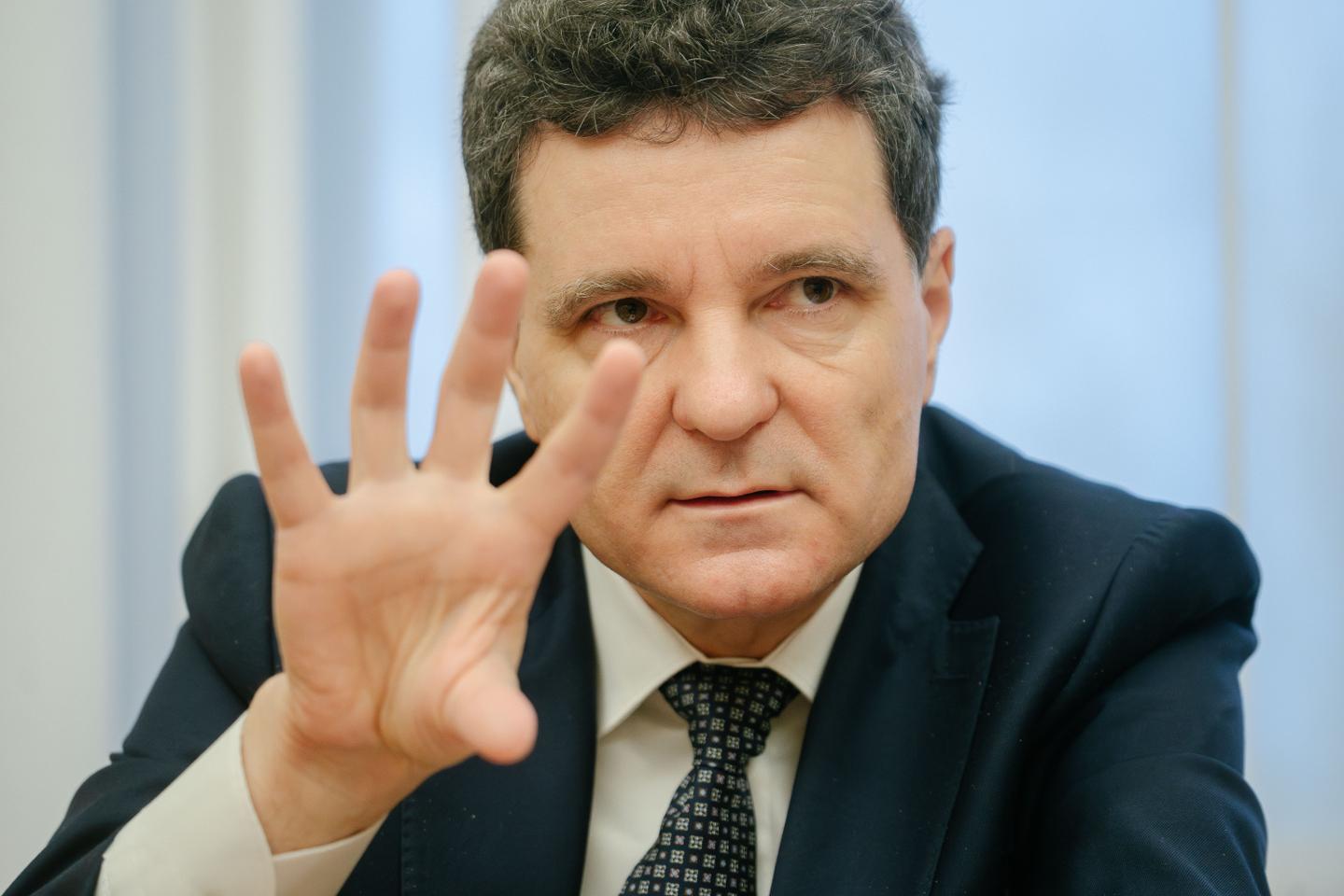
Romania’s New President Navigates a Shifting Transatlantic Landscape
BUCHAREST – Just months into his presidency, Nicusor Dan is already charting a course for Romania that balances its deep-rooted transatlantic ties with a growing awareness of a changing global order. The 55-year-old centrist, elected in May, arrived in Paris this week for his first official visit to France, a nation familiar to him from his mathematics studies in the 1990s. But the backdrop to this diplomatic foray is far more complex than academic nostalgia. Romania, a frontline state bordering Ukraine, finds itself increasingly vital in a security architecture grappling with Russian interference and a potentially recalibrating relationship with the United States.
A Shadow of Past Interference
The specter of Russian interference looms large over Romanian politics. Last year, the country was forced to annul its presidential election due to concerns about foreign meddling, a stark reminder of the vulnerabilities facing democracies in the region. This experience has undoubtedly shaped Dan’s approach to both domestic and foreign policy, emphasizing the need for robust cybersecurity measures and a vigilant defense of democratic institutions. The incident underscored the growing sophistication of disinformation campaigns, a threat that continues to plague elections across Europe and beyond. According to a NATO report, cyberattacks targeting political processes have increased by 300% in the last five years.
Navigating a Transatlantic Reassessment
Dan’s visit to Paris comes at a particularly sensitive moment, following the release of a critical US report assessing the European Union. The report, which emphasized the need for European nations to shoulder a greater share of the security burden, has sparked debate about the future of the transatlantic alliance. While the document contained pointed criticisms, Dan remains optimistic about the enduring strength of the partnership between Romania and the United States.
“We take very seriously the commitments assumed at The Hague,” Dan stated, referring to the agreements reached at the NATO summit in June. “We are dedicating substantial resources to defense and security, fully complying with our responsibilities as an ally.” He acknowledged the ideological differences reflected in the US report but expressed confidence that the strategic partnership would remain “a fundamental anchor for regional stability.”
The Indo-Pacific Pivot and European Responsibility
The US strategy signals a clear shift in focus towards the Indo-Pacific region, prompting a discussion about the extent to which European nations must take greater responsibility for their own security. This isn’t simply a matter of financial investment; it requires a fundamental reassessment of strategic priorities and a willingness to act more decisively in the face of emerging threats. Romania, with its strategic location on the Black Sea, is uniquely positioned to play a key role in bolstering regional security. The country has been steadily increasing its defense spending, aiming to reach the NATO target of 2% of GDP, and is actively participating in joint military exercises with allied forces.
Beyond Security: Economic Ties and Regional Integration
However, Romania’s relationship with the West extends beyond security concerns. Economic ties with France and other EU member states are crucial for the country’s continued development. Dan’s visit to Paris is also intended to strengthen these economic links, exploring opportunities for increased investment and trade. Furthermore, Romania is committed to deeper regional integration, working with its neighbors to promote stability and prosperity in the Balkans and the Black Sea region. According to the World Bank, Foreign Direct Investment (FDI) in Romania reached €11.5 billion in 2023, demonstrating the country’s growing attractiveness as an investment destination.
A Delicate Balancing Act
Nicusor Dan faces a delicate balancing act. He must reassure allies of Romania’s unwavering commitment to the transatlantic alliance while simultaneously navigating a more complex and uncertain geopolitical landscape. The challenge lies in forging a path that prioritizes Romania’s national interests while contributing to the collective security of Europe and the wider international community. His early actions suggest a pragmatic and determined leader, prepared to confront the challenges ahead with a clear vision and a steadfast commitment to democratic values. The coming months will be crucial in defining Romania’s role on the world stage and shaping the future of the transatlantic relationship.