Nick Saban’s Coaching Tree: How His Assistants Dominate the College Football Playoff
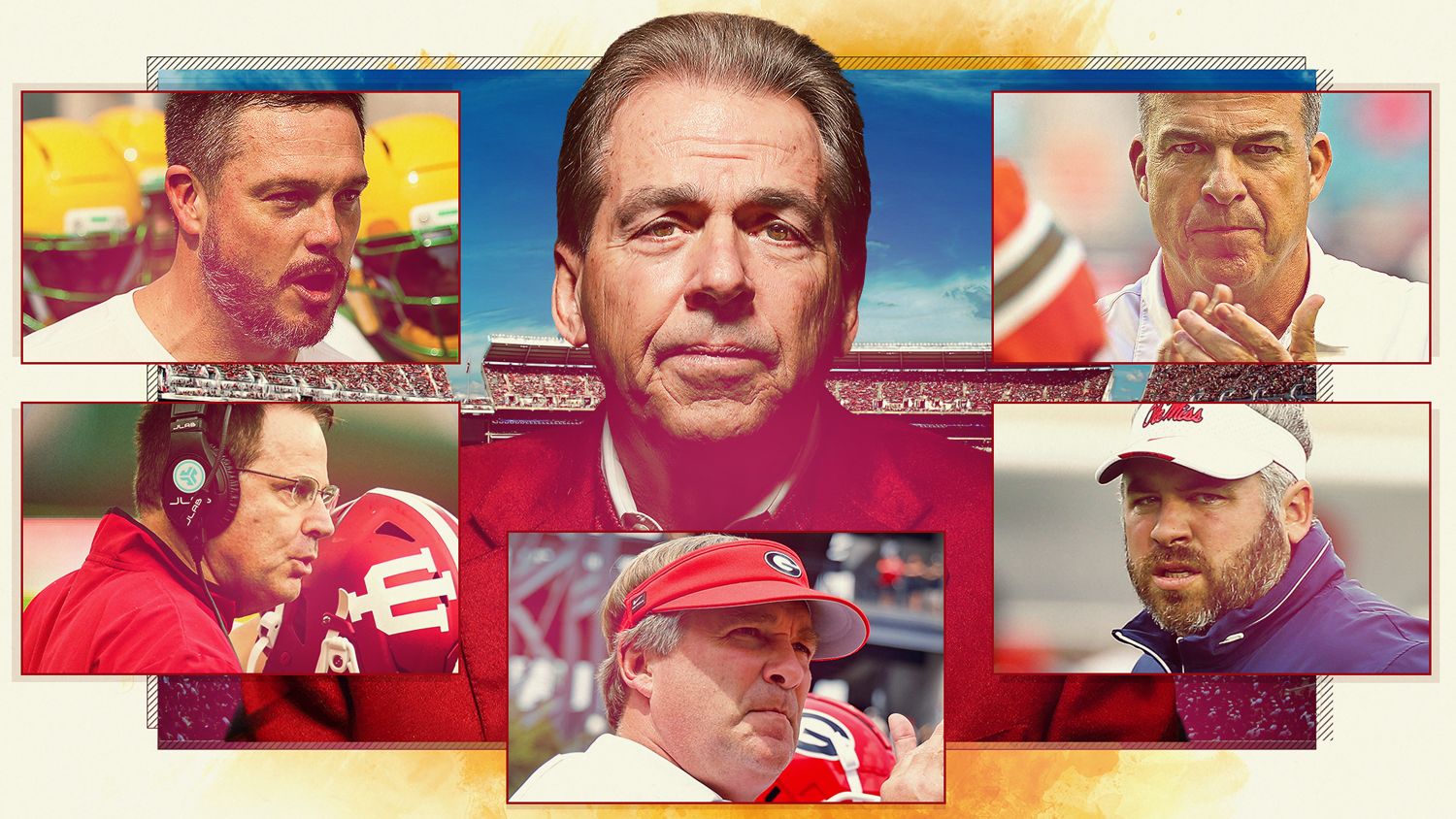
Saban’s Coaching Legacy Dominates College Football Playoff Field
The expanded 12-team College Football Playoff bracket isn’t just a new era for postseason access; it’s a testament to the enduring influence of Nick Saban. As teams prepare for the opening round, a remarkable five of the twelve playoff contenders are led by coaches who honed their skills under the legendary Alabama coach, a figure whose impact extends far beyond the Crimson Tide’s dynasty.
A Coaching Tree Rooted in Process, Not Just Schemes
The sheer number of Saban protégés in this year’s playoff field – including four of the top six seeds – underscores a coaching lineage built on meticulous preparation, relentless attention to detail, and a commitment to developing future leaders. While many coaching “trees” are defined by shared offensive or defensive philosophies, Saban’s legacy centers on a holistic approach to the game, focusing on process and player development above all else.
“To me, it’s about the mentor aspect of it,” Georgia head coach Kirby Smart explained recently. “Can I call that coach whenever I need to, even if I am now coaching against him in the same conference, with questions or needing advice? That’s real influence.” Smart, who spent a decade as Saban’s defensive coordinator at both LSU and Alabama, collecting four national championships along the way, embodies this sentiment. His success at Georgia isn’t simply a replication of Saban’s system, but a testament to the foundational principles instilled during his apprenticeship.
Indiana’s Curt Cignetti, who was on Saban’s initial Alabama staff in 2007, echoed this point. “He’s not coached a game in nearly two years, and I think his influence has only grown since then. There’s certainly zero argument about Nick Saban’s impact in the here and now.”
The Playoff Landscape: A Crimson Tide Echo
The impact is visible across the playoff bracket. Beyond Smart’s Georgia, the field includes Dan Lanning (Oregon), Pete Golding (Ole Miss), and Mario Cristobal (Miami) – all former Saban assistants. Even teams just outside the playoff picture, like Texas (led by Steve Sarkisian) and Georgia Tech (Brent Key), are guided by coaches who benefited from Saban’s tutelage. This isn’t merely a coincidence; it’s a reflection of Saban’s ability to identify and cultivate talent, not just on the field, but on the sidelines.
Ole Miss’s Golding, thrust into the head coaching role following Lane Kiffin’s departure, represents a particularly compelling case. His debut in the CFP is a direct result of Saban’s influence, having spent five seasons as a defensive coach under the legendary coach, including a championship run in 2020. The ripple effect extends beyond those directly in the playoff, with numerous coaches scattered throughout college football programs carrying the Saban torch.
According to data from Statista, average attendance for College Football Playoff games has increased by 18% since the introduction of the four-team format in 2014, demonstrating the growing national interest in the postseason. The presence of so many Saban disciples only amplifies that interest, adding a compelling narrative layer to the competition.
Beyond X’s and O’s: The Power of Consistency and Leadership
What separates Saban’s coaching tree from others isn’t a specific playbook or tactical innovation. It’s the emphasis on consistency, organization, and a relentless pursuit of improvement. Coaches who have worked with Saban consistently speak of his ability to break down complex problems into manageable components, and his unwavering commitment to detail.
“I worked for him for one year, that was it, but it gave me this cheat sheet on every possible situation you can think of,” Oregon’s Dan Lanning said. “He always has that answer. That’s a leader.” This emphasis on preparation extends beyond the football field, encompassing player development, academic support, and even off-field conduct.
Saban himself acknowledges the importance of building upon the foundations laid by previous generations of coaches. He traces his own development back to Don James and George Perles, recognizing that every coach stands on the shoulders of those who came before. This perspective underscores the cyclical nature of coaching, and the importance of passing on knowledge to the next generation.
The success of Saban’s former assistants isn’t just a testament to his coaching prowess; it’s a validation of the principles he espouses. As the College Football Playoff unfolds, the echoes of Saban’s influence will be felt on every sideline, shaping the strategies, the leadership, and ultimately, the outcome of the games. The competition isn’t just about winning a championship; it’s about carrying forward a legacy of excellence.